

 By Singapore Local News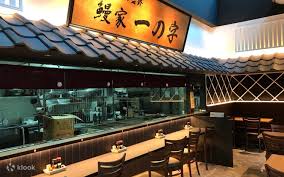
Unagiya Ichinoji represents a specialized style of Japanese dining that focuses almost entirely on one of Japan’s most respected traditional delicacies, grilled freshwater eel known as unagi. Unlike modern fusion restaurants that attempt to combine multiple cuisines into one menu, this establishment follows a disciplined culinary philosophy centered around mastery rather than variety. The entire experience revolves around precision grilling, sauce balance, rice harmony, and controlled flavor layering that has evolved through generations of Japanese cooking traditions. Diners visiting Unagiya Ichinoji are not simply eating a meal; they are participating in a culinary format refined over decades where preparation timing, heat control, and ingredient sourcing determine the final taste experience. The restaurant attracts food enthusiasts, travelers seeking authentic Japanese cuisine, professionals looking for premium comfort meals, and diners interested in understanding how a single ingredient can be transformed into multiple flavor expressions through technique alone.
Understanding Japanese Unagi Culture and Its Historical Importance
Unagi has historically occupied a special position within Japanese culinary traditions because it is associated with stamina, seasonal nutrition, and craftsmanship. In traditional Japan, eel consumption increased during hotter months when people believed it restored physical energy and endurance. Preparing eel correctly required specialized training because improper handling could ruin texture, introduce bitterness, or destroy natural fat balance. Over centuries, professional eel chefs developed precise preparation systems involving cleaning, skewering, steaming, grilling, and repeated sauce application cycles. These techniques eventually became regional specialties, particularly within Nagoya and Tokyo culinary traditions. Unagiya Ichinoji draws inspiration from these heritage systems, preserving the concept that eel preparation is closer to craftsmanship than standard cooking. Every serving reflects controlled heat exposure and repetitive glazing designed to create caramelization without drying the flesh.
The Philosophy Behind Specialist Restaurants Focused on One Signature Dish
Many modern restaurants succeed by offering wide menus, yet traditional Japanese dining often celebrates specialization. Restaurants dedicated exclusively to sushi, ramen, tempura, or unagi demonstrate mastery through repetition rather than expansion. Unagiya Ichinoji operates within this philosophy, emphasizing depth instead of breadth. Concentrating on eel allows chefs to refine grilling timing, sauce thickness, and rice pairing consistency. The result is predictable quality across visits, which builds long-term customer loyalty. Specialist restaurants also maintain ingredient quality standards more effectively because procurement focuses on fewer components. This dedication explains why diners frequently return for the same signature dishes rather than exploring extensive menu experimentation.
Ingredient Selection and the Importance of Freshwater Eel Quality
The foundation of any unagi dish begins with eel quality. Freshwater eel possesses delicate fat distribution that melts when exposed to charcoal heat, creating a rich yet clean mouthfeel. Lower-grade eel often becomes rubbery or overly fishy when grilled, which is why sourcing plays a critical role. Premium eel selection prioritizes size uniformity, fat layering, and freshness preservation during transport. Properly sourced eel develops a buttery interior texture while maintaining slight firmness near the skin after grilling. At Unagiya Ichinoji, the emphasis on ingredient consistency ensures that flavor remains stable regardless of seasonal variations. The balance between natural sweetness and savory sauce depends heavily on the eel’s inherent oil content.
Charcoal Grilling Technique and Heat Management Principles
Traditional unagi preparation uses charcoal grilling rather than gas or electric heating methods. Charcoal generates radiant heat that penetrates gradually, allowing fats to render without burning surface layers. The grilling process often includes multiple stages where eel is cooked, rested, glazed, and reheated repeatedly. This method allows sauce caramelization to build complexity while preventing dryness. Skilled chefs monitor flame intensity continuously because excessive heat causes bitterness while insufficient heat fails to achieve the desired smoky aroma. The controlled environment ensures that each layer of sauce bonds with the fish, producing a glossy finish and balanced sweetness.
Understanding the Signature Sauce and Flavor Construction
Unagi sauce plays an equally important role as the eel itself. Often prepared through long-term reduction processes, the sauce blends soy sauce, mirin, sugar, and secret seasoning ratios refined over years. Rather than functioning as a simple topping, the sauce acts as a flavor amplifier that interacts with rendered eel fat during grilling. Each brushing of sauce deepens caramelization while contributing subtle sweetness. Properly executed sauce application prevents overwhelming the natural flavor of the eel. The goal remains harmony between smokiness, sweetness, umami richness, and rice neutrality.
Rice Preparation as a Critical Component of the Dining Experience
Rice quality significantly influences overall enjoyment because unagi is almost always served over rice. Japanese short-grain rice absorbs sauce while maintaining structural integrity. Overcooked rice becomes mushy, while undercooked rice disrupts balance between grain texture and eel softness. Perfect rice preparation requires controlled hydration levels and resting periods following cooking. At Unagiya Ichinoji, rice functions as a neutral foundation that absorbs excess sauce while enhancing mouthfeel contrast. Each bite ideally combines tender eel, aromatic glaze, and fluffy rice grains in proportional harmony.
Exploring Hitsumabushi Style Dining and Its Multi-Step Enjoyment Method
Hitsumabushi represents one of the most engaging ways to enjoy unagi because it encourages diners to experience multiple flavor variations within a single meal. The dish traditionally arrives in a wooden container filled with chopped grilled eel over rice. The eating method progresses through stages beginning with tasting the eel alone to appreciate its natural flavor. The second stage introduces condiments such as scallions or seaweed to enhance freshness. The final stage involves pouring warm broth over the rice to create a comforting tea-like preparation. This progressive tasting structure transforms one dish into several distinct experiences, allowing diners to appreciate texture and flavor evolution.
Menu Strategy and Recommended Ordering Approach for First-Time Visitors
First-time diners often feel uncertain about ordering because the menu centers around variations of eel preparation rather than entirely different dishes. A recommended strategy begins with selecting a standard unagi bowl or hitsumabushi to understand the restaurant’s core flavor profile. Additional side dishes such as tamagoyaki or pickled vegetables provide contrast that refreshes the palate between bites. Sharing multiple eel styles among dining companions allows broader exploration without excessive portion consumption. Understanding portion sizes beforehand helps diners balance satisfaction with value.
Flavor Profile Analysis and Texture Expectations
Properly grilled eel offers layered texture progression beginning with lightly crisp skin followed by tender, fatty flesh that dissolves gradually during chewing. The sauce introduces sweetness balanced by savory undertones while charcoal smoke adds depth. Unlike fried foods that rely on crunch, unagi emphasizes softness combined with gentle resistance. The experience remains rich but not overwhelming because rice moderates intensity. Diners unfamiliar with eel often compare its texture to delicate fish combined with slow-cooked meat richness.
Dining Atmosphere and Interior Experience Influence
Japanese specialist restaurants often design interiors that reinforce culinary authenticity through simplicity. Wooden furnishings, minimal decoration, and open kitchen visibility encourage focus on food rather than distraction. The environment at Unagiya Ichinoji promotes calm dining rhythms aligned with traditional Japanese hospitality principles. Seating arrangements typically favor intimate gatherings rather than large group celebrations, creating an atmosphere suited for relaxed meals and focused appreciation of craftsmanship.
Ideal Visiting Times and Dining Flow Optimization
Timing significantly affects overall experience. Visiting during peak dining hours may introduce waiting periods and reduced seating flexibility. Early lunch or late dinner visits provide quieter environments allowing diners to observe preparation processes more closely. Weekday visits often deliver smoother service pacing compared to weekend crowds. Understanding restaurant flow improves comfort and enhances appreciation of meal presentation.
Comparing Different Unagi Preparation Styles Within Japanese Cuisine
Japanese eel cuisine varies regionally. Some styles emphasize steaming before grilling to create softer texture, while others rely solely on direct grilling for firmer bite. Sauce sweetness also varies between regions, influencing overall flavor identity. Experiencing these variations helps diners recognize how technique changes perception of the same ingredient. Unagiya Ichinoji integrates traditional approaches while adapting consistency for modern diners seeking balanced richness.
Nutritional Perspective and Energy Benefits of Unagi
Eel contains beneficial nutrients including protein, healthy fats, vitamins, and minerals associated with sustained energy levels. Historically valued as nourishment during demanding seasons, unagi provides dense caloric support without excessive heaviness when prepared correctly. Balanced portions paired with rice and vegetables create satisfying meals suitable for long working days or travel recovery dining.
Common Mistakes First-Time Diners Make
Many newcomers apply excessive condiments immediately, masking the natural flavor of eel before experiencing its original taste. Others underestimate portion richness and order more than necessary. Some diners rush through hitsumabushi without exploring staged eating methods. Avoiding these mistakes allows fuller appreciation of craftsmanship embedded within preparation techniques.
How Sauce, Smoke, and Fat Interact During Cooking
The interaction between rendered fat and caramelizing sauce generates complex aroma compounds responsible for unagi’s distinctive fragrance. Charcoal smoke enhances these reactions, producing subtle bitterness that balances sweetness. Proper timing ensures that fat melts gradually rather than escaping entirely, preserving juiciness while strengthening flavor concentration.
Understanding Price Perception and Value Experience
Unagi meals often appear expensive compared to standard rice dishes due to ingredient sourcing complexity and labor-intensive preparation. Evaluating value requires considering preparation time, ingredient quality, and culinary specialization. Diners frequently recognize value through consistency and satisfaction rather than portion size alone.
Dining Etiquette Tips for Authentic Experience
Traditional etiquette encourages tasting dishes before adding seasoning, eating rice and eel together rather than separately, and appreciating meal pacing. Respectful dining behavior enhances cultural immersion while aligning with Japanese hospitality traditions emphasizing mindfulness during meals.
Seasonal Influence on Dining Experience
Environmental temperature and appetite patterns subtly affect perception of richness. Warmer months may encourage lighter portions or broth-based finishing stages, while cooler seasons enhance enjoyment of warm rice and smoky flavors. Seasonal awareness deepens appreciation of unagi’s historical role within Japanese dining cycles.
Why Specialist Eel Restaurants Maintain Loyal Customer Bases
Consistency forms the strongest driver of repeat visitation. When diners trust that flavor, texture, and preparation remain stable across visits, emotional connection develops. Specialist restaurants succeed because they deliver reliability alongside craftsmanship rarely achieved in broader menus.
Advanced Appreciation Techniques for Food Enthusiasts
Experienced diners analyze skin crispness, sauce penetration depth, aroma intensity, and rice moisture levels to evaluate preparation quality. Observing how flavor evolves from first bite to final broth stage reveals culinary precision underlying seemingly simple dishes.
Ideal Companion Dishes and Flavor Pairing Logic
Light side dishes balance unagi richness by introducing acidity or subtle sweetness. Pickled vegetables cleanse the palate, while egg-based dishes provide textural contrast. Proper pairing prevents flavor fatigue during extended meals.
The Emotional and Cultural Experience of Eating Unagi
Beyond nutrition, unagi dining reflects patience, tradition, and appreciation of skilled craftsmanship. Meals encourage slower consumption compared to fast dining environments, allowing diners to reconnect with sensory awareness and culinary heritage.
Modern Dining Expectations and Adaptation
While preserving traditional techniques, contemporary restaurants must accommodate diverse customer expectations including efficient service and accessible menu explanations. Successful establishments balance authenticity with comfort for international audiences unfamiliar with Japanese dining customs.
How a Complete Unagi Experience Differs From Ordinary Restaurant Meals
Unlike casual dining focused on speed or variety, unagi-centered meals emphasize progression, texture awareness, and controlled indulgence. Each element contributes to a cohesive experience rather than isolated dishes competing for attention.
Conclusion and Final Dining Perspective
Unagiya Ichinoji represents a refined interpretation of Japanese eel cuisine built upon specialization, technique mastery, and ingredient respect. Understanding preparation methods, ordering strategies, cultural context, and tasting progression transforms a simple meal into an educational culinary journey. Diners approaching the experience with curiosity and patience discover depth far beyond expectations, making each visit not merely about eating but about appreciating craftsmanship shaped through generations of culinary evolution.
 Global Arena