

 By Singapore Local News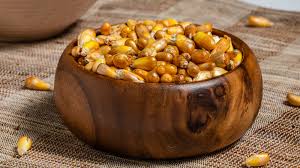
Canchita, also known as cancha, is a traditional Peruvian snack made from toasted corn kernels. Unlike popcorn, these kernels are large, crunchy on the outside, and soft on the inside. They are commonly served as a side with ceviche or enjoyed as a snack in Peruvian households and restaurants. Canchita is more than just food; it is a reflection of Peru’s rich agricultural heritage and the diversity of Andean corn.
History and Cultural Significance
Canchita has roots deep in Andean culture. The indigenous peoples of Peru have cultivated corn for thousands of years, and toasted corn has long been a staple in daily life. Traditionally, it was consumed during festivals, communal meals, and as a portable snack for workers in the fields. Over time, it became a popular accompaniment for modern dishes, especially seafood, maintaining its cultural significance as a symbol of Peruvian culinary heritage.
Understanding the Corn Varieties
Not all corn is created equal when it comes to canchita. Selecting the right variety is essential for achieving the perfect texture.
Chulpe Corn
Chulpe corn is the most commonly used variety for canchita. The kernels are large, white or pale yellow, and retain a slight chewiness after toasting.
Serrano Corn
Serrano corn has smaller kernels with a slightly nuttier flavor. It is less common but preferred by some chefs for its unique texture.
Mote Corn
Mote corn is larger and softer. When toasted, it produces a crunchier exterior with a fluffy interior, offering a different sensory experience.
Health Benefits of Canchita
While canchita is a snack, it is surprisingly nutritious. Toasted corn retains many of the vitamins and minerals of the original kernels.
- High in fiber, aiding digestion
- Provides complex carbohydrates for sustained energy
- Contains essential minerals such as magnesium and phosphorus
- Gluten-free and suitable for a variety of dietary needs
It’s important to moderate oil and salt during preparation to keep it healthy while maintaining flavor.
How Canchita Is Made
Canchita preparation is deceptively simple, but the method influences flavor and texture significantly.
Ingredients Required
- Chulpe corn (or preferred variety)
- Vegetable oil
- Salt
Optional flavor additions include garlic powder, paprika, or chili for a spiced version.
Step-by-Step Method
- Heat a small amount of oil in a heavy-bottomed pan.
- Add the corn kernels and stir continuously over medium heat.
- Toast the kernels until they puff slightly and turn golden brown.
- Remove from heat and season immediately with salt and optional spices.
The key is to maintain medium heat and constant stirring to avoid burning while achieving an even toast.
Differences Between Canchita and Popcorn
Many confuse canchita with popcorn, but there are significant differences:
- Popcorn kernels contain more moisture and starch, causing them to explode when heated.
- Canchita kernels are denser and toast rather than pop.
- Canchita has a nutty flavor with a chewy interior, whereas popcorn is entirely airy.
Understanding these differences is essential for anyone aiming to recreate authentic Peruvian canchita.
Flavored and Modern Variations
Canchita is versatile and can be customized to suit different palates.
- Garlic Canchita: Tossed with roasted garlic powder for a savory kick
- Chili-Lime Canchita: Spiced with chili and a touch of lime for tanginess
- Sweet Canchita: Coated lightly with sugar or cinnamon for dessert-style snacks
These variations allow canchita to be enjoyed beyond traditional meals, including as party snacks or gourmet appetizers.
Serving Canchita
Canchita is traditionally served as a side dish, particularly with ceviche. It also works well in modern culinary settings:
- Table Snack: Served before a meal in restaurants to stimulate appetite
- Salad Topping: Adds crunch and texture to Peruvian-style salads
- Party Snack: Spiced or sweetened versions make an excellent alternative to chips or nuts
Properly served canchita enhances both flavor and presentation of any dish.
Tips for Perfect Toasting
Achieving the ideal canchita requires attention to detail. Here are some advanced tips:
- Use a heavy-bottomed pan to distribute heat evenly.
- Do not overcrowd the pan; small batches toast better.
- Keep kernels moving constantly to prevent burning.
- Taste-test early to adjust seasoning before the final crunch develops.
- Store toasted canchita in an airtight container to maintain crispiness.
Following these guidelines ensures a professional-quality snack every time.
Nutritional and Culinary Insights
Canchita offers more than just flavor—it also provides insights into Peruvian food culture:
- The size and texture of the kernel indicate the type of corn and its growing region.
- The snack demonstrates a traditional cooking technique that predates modern appliances.
- Its pairing with seafood dishes highlights Peru’s coastal culinary influence combined with highland ingredients.
This combination of nutrition, culture, and technique makes canchita both a functional and meaningful food item.
Common Mistakes and How to Avoid Them
Even experienced cooks can struggle with canchita. Common pitfalls include:
- Burning the Kernels: Toast on medium heat and stir constantly.
- Underseasoning: Salt enhances flavor; experiment with complementary spices.
- Using Wrong Corn: Only dense, large kernels produce authentic texture.
- Storing Improperly: Exposure to moisture reduces crunchiness; always use airtight containers.
Awareness of these issues ensures consistently high-quality results.
Pairing Canchita with Other Dishes
While ceviche is the most traditional accompaniment, canchita pairs well with:
- Peruvian stews: Adds texture to hearty soups and stews.
- Grilled seafood: Enhances flavors with a crunchy contrast.
- Street food plates: Complements anticuchos or empanadas for a complete snack experience.
These pairings expand its versatility in modern culinary applications.
Global Comparisons
Though unique, canchita can be compared with other global snacks:
- Kikos (Spain): Also toasted corn but usually smaller and oilier.
- Corn Nuts (USA): Commercially processed version with added salt and flavoring.
- Mexican Totopos: Corn-based but baked and salted, more similar to chips than canchita.
Understanding these comparisons highlights canchita’s distinctive qualities and potential for international appeal.
Storage and Shelf Life
To maintain crunchiness:
- Store in airtight containers away from moisture.
- Keep in a cool, dry place.
- Best consumed within 2–3 weeks for optimal flavor.
For larger batches, reheat in a dry pan for a few minutes to restore crispiness.
Conclusion
Canchita is more than a simple snack; it is a cultural artifact, a culinary technique, and a versatile food item with global appeal. Understanding its history, corn varieties, preparation techniques, and variations allows anyone to appreciate its full value. By combining proper technique, thoughtful seasoning, and creative presentation, canchita can elevate meals and introduce a piece of Peruvian heritage to any table.
 Global Arena