

 By Singapore Local News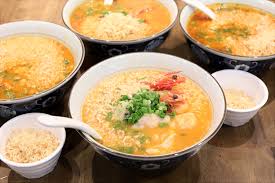
le Shrimp ramen is a culinary delight that combines the rich umami of seafood with the comforting texture of ramen noodles. Unlike traditional pork-based tonkotsu or chicken ramen, shrimp ramen uses a concentrated shrimp broth, offering a unique depth of flavor and a bright, aromatic experience. The dish has gained popularity through innovative restaurants like Le Shrimp, which have perfected the shrimp broth while pairing it with handmade noodles.
What Makes Shrimp Ramen Unique
Shrimp ramen stands out because of its distinct broth, which is prepared using a combination of baked or roasted shrimp, shells, aromatics, and slow simmering techniques. This process extracts maximum flavor while maintaining a balanced saltiness and umami richness. Key elements that differentiate shrimp ramen include:
- The natural sweetness from shrimp
- A vibrant, orange or reddish broth color
- A slightly briny, oceanic aroma
- The combination of chewy, handmade noodles
Unlike other ramen, shrimp ramen requires careful layering of flavors so that the delicate seafood does not get overpowered by spices or oils.
Understanding the Broth
The broth is the heart of any ramen dish. In shrimp ramen, the broth is usually made from a combination of shrimp shells, heads, and sometimes whole prawns. The process typically involves:
- Roasting the shrimp shells to enhance natural flavors and develop a deep umami taste.
- Simmering in water for several hours, sometimes with kombu, dried mushrooms, or aromatics to add complexity.
- Straining to remove solids, leaving a clear yet flavorful broth.
- Balancing with seasoning such as soy sauce, miso, or fish sauce, depending on the desired taste profile.
Advanced chefs often add finishing touches like a light brush of chili oil or a touch of citrus zest to elevate the final flavor.
Noodles: The Perfect Match
The texture of noodles in shrimp ramen is crucial. They should be firm yet springy, capable of holding the rich shrimp broth without becoming soggy. Most restaurants opt for either:
- Hand-pulled la mian style noodles, which have a slightly chewier texture
- Fresh, thin ramen noodles that soak up the broth quickly, delivering flavor with every bite
The noodle-to-broth ratio is carefully maintained to ensure every mouthful is balanced and satisfying.
Signature Ingredients and Add-Ons
Shrimp ramen often features several signature toppings that enhance both texture and flavor:
- Whole or sliced shrimp: Lightly cooked to maintain tenderness
- Soft-boiled eggs: Marinated for umami enhancement
- Seaweed or nori strips: Adds a subtle oceanic note
- Spring onions and scallions: For freshness and mild pungency
- Crab roe or shrimp paste: Optional, for a stronger seafood punch
Some chefs innovate further by adding ingredients like bamboo shoots, pickled radish, or even tempura for crunch.
Techniques to Elevate Shrimp Broth
Creating a standout shrimp broth involves understanding advanced culinary techniques:
- Layering flavors gradually: Start with aromatics like garlic, ginger, and onions before adding shrimp.
- Maillard reaction through roasting: Roasting shells enhances depth.
- Control of simmering temperature: A gentle simmer prevents the broth from turning bitter.
- Emulsification: Carefully incorporating fats extracted from shrimp heads creates a silky mouthfeel.
These methods ensure the broth is complex, aromatic, and visually appealing.
Common Mistakes to Avoid
Shrimp ramen is deceptively simple but requires attention to detail. Common errors include:
- Overcooking shrimp: Leads to rubbery texture
- Undersalting or oversalting the broth: Both can overpower or underplay natural flavors
- Neglecting noodle texture: Noodles must be cooked al dente
- Ignoring garnish balance: Toppings should complement, not compete
Correcting these mistakes ensures a restaurant-quality experience every time.
Shrimp Ramen Variations
Shrimp ramen has inspired numerous variations depending on region and chef creativity:
- Spicy shrimp ramen: Incorporates chili oil or paste
- Creamy shrimp ramen: Uses a light cream or coconut milk to soften flavors
- Seafood medley ramen: Combines shrimp with crab, squid, or fish
- Cold shrimp ramen: Served chilled for summer, often with a refreshing dashi base
Experimenting with variations allows chefs to create signature dishes that appeal to different taste profiles.
How Restaurants Like Le Shrimp Perfect It
Le Shrimp has become a benchmark for shrimp ramen by focusing on three key pillars:
- Ingredient quality: Fresh, high-grade shrimp ensures maximum flavor
- Broth mastery: Carefully roasted shells, slow simmering, and precise seasoning
- Presentation: Vibrant broth, perfectly cooked noodles, and visually appealing toppings
This combination delivers not just a meal but an immersive sensory experience.
Nutritional Insights
Shrimp ramen is not just flavorful; it offers nutritional benefits:
- Protein: High-quality protein from shrimp supports muscle repair
- Minerals: Shrimp contains zinc, iodine, and selenium
- Low in saturated fat: When prepared with minimal oil
- Balanced carbohydrates: From noodles, providing energy
While shrimp ramen is indulgent, careful portioning can make it a balanced meal.
Tips for Making Shrimp Ramen at Home
Creating shrimp ramen at home is possible with some practice. Key tips include:
- Roast shrimp shells for maximum flavor
- Simmer broth gently for 2–3 hours
- Use fresh noodles for optimal texture
- Season gradually and taste frequently
- Prepare toppings in advance for assembly efficiency
With patience and precision, home cooks can replicate restaurant-quality shrimp ramen.
Pairing Shrimp Ramen with Sides and Beverages
To enhance the dining experience:
- Serve with light salads or pickled vegetables for contrast
- Pair with green tea or light sake to complement the seafood notes
- Optional sides: gyoza, tempura, or steamed buns
Thoughtful pairing elevates shrimp ramen from a simple meal to a complete culinary experience.
Shrimp Ramen for Food Enthusiasts
Food lovers are drawn to shrimp ramen for its balance of flavors, textures, and visual appeal. Whether sampling at a restaurant or attempting at home, it provides a sophisticated taste profile that combines:
- Rich umami
- Aromatic complexity
- Freshness from toppings
- Comforting noodle texture
It is a dish that celebrates the art of seafood cuisine in a humble bowl.
Conclusion
Shrimp ramen is more than just noodles in broth; it is an intricate culinary creation requiring skill, patience, and attention to detail. From the slow-roasted shrimp shells to the perfectly cooked noodles and vibrant toppings, each element plays a role in delivering a memorable dining experience. Restaurants like Le Shrimp have set a benchmark for excellence, but there remains room for culinary innovation and home experimentation. By understanding broth chemistry, mastering noodle texture, and incorporating creative variations, anyone can enjoy or craft shrimp ramen that is both flavorful and visually stunning.
 Global Arena