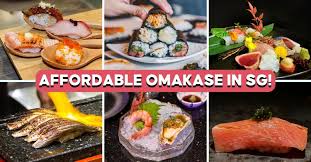
affordable omakase singapore city known for incredible food experiences from hawker originals to fine‑dining masterpieces. Among the most fascinating Japanese dining styles is omakase — a chef‑led meal where every dish is chosen by the chef and presented course by course. Traditionally omakase is expensive, often costing hundreds of dollars, but in recent years a vibrant scene of affordable omakase in Singapore has emerged. In this guide you will find everything you need to know about enjoying omakase on a budget — from defining omakase and how it works to the best value spots, tips for booking, and comparison data so you can pick the best choice for your budget and taste.
What Is Omakase
Omakase means “I leave it up to you” in Japanese. When you order omakase, you trust the chef to select the dishes, sequence, and portions based on what’s fresh and at its best. Omakase is not a fixed set menu with prices; it is a curated experience that focuses on seasonal ingredients and precise technique.
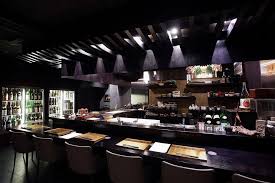
Traditionally omakase is served at a sushi counter. Each piece is prepared individually and presented directly to you. The order of dishes may progress from light to rich — beginning with sashimi, moving into nigiri, grilled items, and finishing with dessert or palate cleansers.
What sets omakase apart is the chef’s creativity and timing. The experience is meant to feel personal, almost like a tasting journey. In Singapore, affordable omakase offerings retain many of these elements while controlling price through shorter omakase sets, limited seats, or lunchtime specials.
Understanding Price Differences in Omakase
Omakase price is influenced by:
Quality of Ingredients
High‑end omakase uses premium imports like Bafun uni, fresh Hokkaido scallops, premium toro, and king salmon. Cheaper omakase may use more local fish, seasonal sardines, or other types of seafood that still taste great but cost less to source.
Number of Courses
A long omakase can be 15–20 courses. Affordable omakase often offers 8–12 courses so the price stays manageable.
Chef Skill and Experience
Higher prices are often tied to veteran sushi chefs from Japan or internationally recognized omakase masters. Lower‑priced spots may be led by skilled but less seasoned chefs or by chefs trained locally.
Seating Style and Ambience
Formal counter seating costs more to operate than casual table seating. Some affordable omakase places use a mix of counter and seating to balance cost.
Lunch vs Dinner
Many spots offer cheaper omakase at lunch than dinner while using the same core ingredients.
How to Choose Affordable Omakase
Before diving into the list of omakase spots, it helps to understand what criteria make an omakase worth choosing in Singapore:
Price Per Course Value
Divide the total price by the number of dishes to see how much each dish costs on average. This helps compare different omakase options.
Freshness and Sourcing
Where does the seafood come from? Seasonal sourcing often indicates better quality even if the price is low.
Chef Interaction
Some diners want direct chef engagement, explanation of each course, and plating dynamics. Others prefer casual and quieter.
Seating Experience
Traditional counter seating gives a different energy compared to table seating.
Length of Service
Cheaper omakase may be quicker but still enjoyable. Formal omakase often takes longer.
Best Affordable Omakase in Singapore
Here is a curated list of great value omakase places. They are organized by price tier and experience type so you can pick what suits you best.
Omakase Under $60
Ebi Omakase Express
Ebi Omakase Express is popular for value seekers. It focuses on nigiri and sashimi with minimal fuss.
What to Expect
The omakase set includes 8 to 10 pieces of sushi with seasonal selections determined daily. You’ll get lightly torched items, fresh sashimi, and hand‑pressed nigiri. Seating is mostly counter style so you still get that chef interaction.
Price and Experience
The set typically retails under $60, making it one of the most budget‑friendly options. The service is efficient, and portions are satisfying for lunch.
Good to Know
Booking ahead is recommended since there are limited seats. The menu changes with seasonal catches.
Sushi Paradise Affordable Set
Sushi Paradise is a casual sushi house that also serves a compact omakase set.
Menu Features
Expect sashimi, nigiri, chawanmushi, and a small cooked course. Fish selection changes weekly.
Value Tips
Go for weekday lunch to enjoy the lowest prices. Dinner prices may be a bit higher, but still reasonable.
Omakase From $60 to $100
Sakura Sushi
Sakura Sushi is known for using fresh seasonal fish and delivering refined flavors at approachable prices.
Experience
The omakase set covers about 10 courses including nigiri, sashimi salad, soup, and a dessert course. The chef explains each dish and portion.
Ambience
The dining space is minimalist and classy without being overly formal. Counter seating is available.
Price
Omakase is around $80–$100 depending on seasonal fish costs.
Kaze Omakase Lunch
Kaze offers a well‑balanced omakase that highlights seafood from Japan with local touches.
Details
The lunch omakase emphasizes delicate sashimi, artisan rice, cured fish, and a small grilled item. The desserts are light and refreshing.
Good to Know
Lunch is cheaper than dinner, and reservations typically fill up during weekends.
Sumiya Omakase
Sumiya is a cozy spot that focuses on simplicity and freshness.
Features
Expect about 10 pieces of sushi and sashimi, plus a soup course. Chef interaction is friendly and informative.
Price
Meals often land just under $100, occasionally slightly above for premium seasonal fish.
Omakase $100 to $150 – Best Value Premium
Hana Yuki Omakase
Hana Yuki offers a premium‑leaning omakase that still keeps an eye on value.
Course Details
Expect 12–15 courses including premium neta like toro, kampachi, scallops, and more creative interpretations.
Experience
Chef explains ingredients, presentation, and recommended pairings. The atmosphere is elegant without being intimidating.
Ginza Classic Affordable Counter
This omakase offers traditional counter seats and a seasonal sushi progression.
What You Get
A 12‑course set with top selections based on what’s fresh that day. It may include specialty preparations like otoro sashimi or kuruma ebi.
Best For
People who want a more traditional omakase vibe without paying ultra‑high prices.
How Each Location Compares
Below is a detailed comparison guide to help you choose based on what matters most to you.
Price Per Dish
Calculate this by dividing the total price by number of courses.
| Restaurant Name | Approx Total | Courses | Price per Course |
|---|---|---|---|
| Ebi Omakase Express | $60 | 10 | $6 |
| Sushi Paradise | $70 | 10 | $7 |
| Sakura Sushi | $95 | 12 | ~$8 |
| Kaze Lunch | $90 | 11 | ~$8.2 |
| Sumiya | $100 | 12 | ~$8.3 |
| Hana Yuki | $140 | 13 | ~$10.8 |
| Ginza Classic | $150 | 12 | $12.5 |
Chef Interaction
Some omakase places focus heavily on chef‑to‑guest engagement while others focus more on the food itself.
• Strong interaction – Ebi Omakase, Sakura Sushi
• Moderate interaction – Sumiya, Kaze
• Formal engagement – Hana Yuki, Ginza Classic
Seating Style
• Counter – best for interaction, slower pacing
• Table – more casual, faster service
Tips for Booking Affordable Omakase
Here are actionable strategies to get the best deal:
Book Lunch Slots
Many restaurants charge less for lunch omakase. If your schedule allows, lunch is often where the best deals exist.
Early Bird Reservations
Weekends fill up fast. Booking a week in advance or more helps secure lower pricing before premium weekends.
Follow Social Channels
Some spots release secret deals on Instagram stories or newsletters. Following them gets early notices on flash discounts.
Ask for Omakase Customization
At some places you can request less courses for lower prices or add specific fish if you’re willing to pay a bit extra.
Go During Cheaper Days
Tuesday to Thursday often have quieter demand and may come with slightly better pricing.
What Makes Affordable Omakase Good
Affordable omakase isn’t about cheap fish. It’s about:
• Fresh seasonal fish
• Efficient, lean course progression
• Creative use of ingredients to maximize taste
• Less expensive seating and less formal space
• Focus on core experience instead of bells and whistles
How to Evaluate Quality When Prices Are Low
Here are specific things to look for:
Rice Temperature and Vinegar Balance
Good sushi has rice that’s warm or slightly warm with balanced vinegar that does not overpower the fish.
Freshness of Fish
Look for bright color, clean scent, and firm texture.
Knife Skills
Well‑cut sashimi shows precision and respect for ingredients.
Balance of Flavors
Good omakase balances subtle tastes with quality ingredients without overwhelming the palate.
Frequently Asked Questions About Affordable Omakase
Is cheaper omakase less authentic?
Not necessarily. Authenticity depends on technique, sourcing, and presentation more than price alone.
Can I request substitutions?
Some chefs allow it, others prefer to showcase what they select. It’s best to ask at the time of booking.
Should I tip in Singapore?
Tipping is not traditional in Singapore; excellent service is expected without tip culture.
How long does omakase take?
Affordable omakase may be quicker, around 45–60 minutes. More courses or traditional experiences can be 90–120 minutes.
Can I order drinks with omakase?
Yes. Many places offer tea, sake, or soft drinks. Pairing suggestions help but add to total cost.
Conclusion
Affordable omakase in Singapore is now accessible to a wider range of diners. With thoughtful selection and clear understanding of what you want — whether casual engagement or premium sushi experiences — you can enjoy chef‑driven meals without overspending. By considering course count, price per dish, seating style, chef interaction, and reservation timing, you can plan a memorable omakase meal tailored to your budget.
Explore the spots listed, try different venues, and soon you will understand what makes each omakase experience unique. Affordable does not mean ordinary — it can mean creative, fresh, and deeply satisfying.