Singapore’s hawker culture is a rich tapestry of flavors, traditions, and culinary stories that span generations. Among the many iconic dishes, Hainanese curry rice has a special place in the hearts of locals and food enthusiasts. At the forefront of this culinary phenomenon was Beo Crescent curry rice, a humble stall that served hearty plates of rice smothered with a medley of curries, gravies, and side dishes. Its popularity was not just for the food itself but for the experience it offered—a window into Singapore’s vibrant hawker heritage.
The Origins of Hainanese Curry Rice
Hainanese curry rice, as a dish, traces its roots back to the Hainanese immigrants from southern China. These settlers brought with them culinary traditions that blended Chinese cooking methods with Southeast Asian ingredients. The result was a unique dish: steamed rice topped with a variety of meats, vegetables, and a thick, flavorful curry gravy. Over time, this dish became a staple in Singaporean hawker centers, offering both affordability and satisfying flavors.
The concept of layering multiple gravies over rice was innovative, allowing customers to enjoy a mix of tastes in a single plate. The dish became popular among workers seeking a filling and cost-effective meal and evolved into a beloved comfort food.
Beo Crescent Curry Rice: History and Evolution
Beo Crescent curry rice began as a modest hawker stall in a local coffee shop. Its founder focused on delivering consistent flavors and generous portions, which quickly attracted a loyal following. The stall became known for its signature pork chops, tender braised cabbage, and the rich curry gravy that tied every component together.
Over decades, the stall maintained its reputation for quality and affordability, becoming a must-visit spot for locals and tourists alike. What set Beo Crescent apart was the combination of traditional cooking techniques with a subtle adaptation to local tastes, making it approachable yet authentic.
The Philosophy Behind the Stall
The founder believed in three key principles: freshness, portion, and flavor balance. Every dish was prepared to order, ensuring that sauces were rich but not overwhelming, meats were tender, and vegetables retained their natural textures. This philosophy created a dining experience that felt personal, almost familial, rather than commercial.
Signature Dishes and Menu Items
Pork Chop Curry Rice
The pork chop at Beo Crescent was iconic. Marinated with a blend of soy, garlic, and light spices, the chop was fried to achieve a crisp exterior while remaining juicy inside. Paired with steamed rice and doused in curry and braised gravy, the dish delivered layers of taste and texture.
Fried Prawns and Seafood Options
Beyond pork, fried prawns and occasionally fish cutlets were offered. The prawns were lightly battered to retain the natural sweetness of the seafood. When combined with curry gravy, they complemented the heavier meats, creating a balanced plate.
Braised Vegetables
Braised cabbage, long beans, and occasionally eggplant were slow-cooked in soy and garlic sauces. These vegetables absorbed the flavors of the curry and gravy, providing a savory counterpoint to the meat and rice.
Curry and Braised Gravy Mix
The hallmark of Beo Crescent curry rice was its dual-gravy system. The curry was aromatic with a moderate spice level, blending coconut milk, turmeric, and chili in a way that enhanced rather than overpowered. The braised gravy, usually made from soy, oyster sauce, and pork drippings, added a savory depth. Together, they created a multi-dimensional flavor profile that was the signature of the stall.
Preparation Techniques: A Culinary Insight
Rice Cooking Methods
Steamed rice formed the canvas for all other components. The rice needed to be fluffy yet firm enough to hold the gravies without becoming mushy. Many chefs suggest rinsing the rice multiple times to remove excess starch, then cooking it in precisely measured water to maintain the perfect texture.
Meat Preparation
Meat selection was critical. Pork chops were typically sourced from fresh cuts, lightly marinated for several hours, and fried just before serving. The batter had to be thin enough to crisp without masking the natural flavor. For braised meats, slow cooking allowed collagen to break down, resulting in tender, flavorful bites.
Gravy and Curry Techniques
The curry required careful balancing of spices. Turmeric provided warmth, chili added mild heat, and coconut milk lent richness. Braised gravy was simmered with soy and aromatics, allowing it to thicken naturally and develop umami depth. Precision in seasoning ensured that the gravies complemented rather than competed with each other.
Plating and Serving
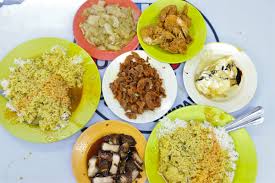
A traditional plate of Hainanese curry rice was not just about taste but also visual appeal. Meat and vegetables were neatly arranged on top of steamed rice, then generously poured with curry and braised gravy. The final touch was the natural mingling of sauces on the plate, creating a comforting, inviting appearance.
Cultural Significance
Beo Crescent curry rice was more than a meal; it was a cultural symbol. It represented:
- Community Gathering: Families and friends would flock to the stall, often sharing tables and stories.
- Hawker Heritage: The stall maintained traditional cooking methods and recipes, preserving culinary history.
- Everyday Luxury: For many locals, it offered a sense of indulgence that was still affordable, reflecting Singapore’s unique approach to street dining.
Influence on Singaporean Cuisine
The stall influenced many other curry rice vendors in the region. Its emphasis on gravy layering, balanced flavors, and generous portions became a benchmark for quality in Singaporean hawker culture.
Pairing and Taste Profiles
Flavor Balance
A typical plate combined sweet, savory, and mildly spicy elements. The curry’s aromatic warmth complemented the umami-rich braised gravy, while the meat and vegetables provided textural contrast.
Beverage Pairings
Popular drink pairings included:
- Iced barley or chrysanthemum tea for cooling
- Soft drinks for casual dining
- Plain water to cleanse the palate between rich bites
Seasonal Adaptations
While the menu remained mostly consistent, subtle seasonal variations occurred:
- Using fresh local vegetables when available
- Adjusting curry thickness based on humidity
- Incorporating slightly different cuts of meat depending on supply
Experience and Dining Etiquette
Queue Culture
Due to its popularity, patrons often waited in line. This created a sense of anticipation and community among diners.
Portion Sizes and Sharing
Portions were generous. Many customers ordered multiple dishes to share, embracing a communal dining approach.
Eating Techniques
Locals often recommended mixing the curry and braised gravy over the rice thoroughly, ensuring every bite captured the full flavor spectrum.
Replicating Beo Crescent Curry Rice at Home
Ingredients Needed
- Jasmine or short-grain rice
- Fresh pork chops or chicken cutlets
- Prawns or fish fillets
- Cabbage, long beans, and eggplant
- Coconut milk, turmeric, curry powder, soy sauce, oyster sauce, garlic
Cooking Steps
- Rice Preparation: Rinse thoroughly and cook to a fluffy consistency.
- Meat Marination: Season with garlic, soy, and light spices. Fry or braise as needed.
- Gravy Creation: Simmer curry with coconut milk and spices; braise soy-based gravy separately.
- Vegetable Braising: Cook vegetables in savory soy and garlic sauce until tender.
- Assembly: Place rice on a plate, layer meats and vegetables, pour curry and braised gravy over, and serve immediately.
Tips for Authentic Flavor
- Use freshly ground spices for the curry
- Maintain separate gravies until plating
- Cook meat to order to preserve tenderness
Modern Interpretations and Adaptations
While Beo Crescent maintained tradition, contemporary chefs have experimented with variations:
- Vegan-friendly versions using tofu and mushrooms
- Spicier curries for adventurous palates
- Miniature “bento-style” plates for convenience
These adaptations maintain the essence of the dish while introducing modern dining trends.
Health and Nutrition Insights
A traditional plate is rich in protein, fiber, and complex carbohydrates. However, it can be high in calories and sodium due to fried meats and gravy. Health-conscious adaptations include:
- Steaming meats instead of frying
- Reducing oil in gravies
- Adding more vegetables for fiber
Finding Similar Hawker Experiences
While Beo Crescent was unique, similar Hainanese curry rice stalls exist across Singapore:
- Look for stalls emphasizing dual gravies and freshly prepared sides
- Check local hawker center ratings and reviews
- Focus on vendors with long-standing reputation and consistent quality
Conclusion
Beo Crescent curry rice represents the epitome of Singaporean hawker culture: a harmonious balance of flavors, a community gathering point, and a living tradition of culinary artistry. Its legacy continues to influence chefs and food enthusiasts, ensuring that the spirit of Hainanese curry rice lives on. By understanding its history, preparation methods, and cultural significance, one can truly appreciate why this humble hawker dish earned a legendary status.