British Hainan is a unique term that represents a convergence of history, culture, and cuisine. Rooted in the migration patterns of the Hainanese people and influenced by British colonial presence in Asia, British Hainan has evolved into a multifaceted concept. It encompasses the culinary traditions that Hainanese chefs brought to British households, the contemporary interpretations in restaurants across Singapore and beyond, and the cultural narratives that have shaped its identity.
This article explores British Hainan from multiple angles, including its historical origins, the role of the Hainanese diaspora, culinary innovations, and modern-day representations. It also examines its socio-cultural significance, the evolution of British Hainan restaurants, and the ways in which this hybrid identity continues to influence food, culture, and social dynamics.
Origins of British Hainan
The origins of British Hainan trace back to the late 19th and early 20th centuries, during the height of British colonial influence in Southeast Asia. Hainan, a tropical island in southern China, had a significant number of residents who migrated abroad for work and opportunity. Many Hainanese individuals found employment as cooks, household staff, and entrepreneurs within British colonial territories, particularly in Singapore, Malaysia, and Hong Kong.
Migration and Employment Patterns
Hainanese migration was often motivated by economic necessity. The island’s limited resources and growing population drove many families to seek better livelihoods abroad. Hainanese workers became renowned for their culinary skills, discipline, and adaptability, making them highly sought after by British households and colonial institutions.
- Employment in British households: Hainanese cooks were valued for their ability to adapt traditional Chinese cooking techniques to Western tastes.
- Entrepreneurial ventures: Many migrants established small restaurants or catering services, blending Hainanese recipes with British influences.
- Cultural preservation: Despite assimilation pressures, the Hainanese community maintained distinctive culinary and cultural practices, contributing to the foundation of British Hainan cuisine.
Influence of British Colonial Culture
British colonial influence affected multiple facets of Hainanese life and culinary practices. In British households, Hainanese chefs learned to incorporate Western ingredients, cooking methods, and presentation styles. This cross-cultural exchange gave rise to a unique fusion cuisine that balanced local flavors with European culinary principles.
Key adaptations included:
- Use of butter and cream in sauces, enhancing traditional soups and gravies.
- Incorporation of roasted meats with Western-style seasoning.
- Refinement of presentation, emphasizing aesthetics and portioning in line with European dining expectations.
The Hainanese Diaspora and Cultural Identity
The Hainanese diaspora played a critical role in shaping the identity of British Hainan. Communities abroad acted as cultural hubs, preserving traditions while adapting to new environments.
Community Networks
Hainanese migrants established tightly knit communities in port cities and colonial towns. These networks facilitated the sharing of culinary knowledge, trade skills, and social customs.
- Social clubs and associations: Provided support for new arrivals and maintained cultural cohesion.
- Culinary apprenticeship systems: Young chefs learned from elder cooks, ensuring continuity of Hainanese techniques.
- Festivals and cultural gatherings: Celebrations of traditional Hainanese holidays reinforced community bonds.
Culinary Adaptation Abroad
In adapting to foreign contexts, Hainanese cuisine underwent several transformations:
- Ingredient substitution: Local ingredients replaced traditional Hainanese staples when unavailable.
- Fusion dishes: Combining British flavors such as pies, gravies, and sauces with Hainanese meats, rice, and spices.
- Menu evolution: Restaurants offered both traditional dishes and hybrid creations to appeal to diverse clientele.
These adaptations led to the establishment of iconic British Hainan dishes, celebrated for their balance of flavor, texture, and presentation.
Signature Dishes of British Hainan
The culinary aspect of British Hainan is central to its identity. Its dishes are celebrated for blending Hainanese techniques with British culinary elements.
Hainanese Chicken Rice with a Twist
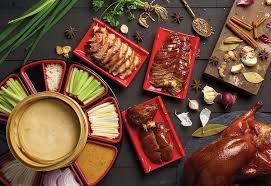
One of the most iconic dishes is Hainanese chicken rice, traditionally poached chicken served with seasoned rice and accompanying sauces. In British Hainan interpretations:
- Chicken may be roasted or marinated with European herbs.
- Rice is sometimes infused with butter or stock for richer flavor.
- Sauces include Western-style gravies alongside traditional chili and ginger condiments.
Hainanese Pork Chop
A staple in British Hainan eateries, the Hainanese pork chop demonstrates a direct fusion of British and Hainanese influences:
- Thick-cut pork, breaded and fried, resembling Western-style chops.
- Served with tomato-based sauce or brown gravy, a nod to British culinary tradition.
- Accompanied by sides such as mashed potatoes, coleslaw, or fried rice.
Curry Variations
Hainanese chefs adapted local Southeast Asian curries to suit European palates:
- Mildly spiced curry sauces with creamy textures.
- Incorporation of British vegetables like carrots and peas.
- Presentation on plates similar to Western dining standards.
Fusion Desserts
British Hainan desserts blend traditional Asian flavors with European techniques:
- Custard tarts infused with pandan or coconut.
- Cakes and puddings incorporating tropical fruits like mango or lychee.
- Tea-time pastries adapted from British afternoon tea culture.
Evolution of British Hainan Restaurants
The modern British Hainan restaurant is the culmination of decades of culinary experimentation and cultural exchange.
Early Establishments
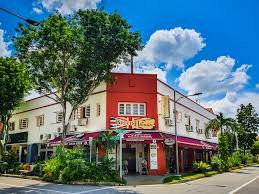
- Small eateries operated by Hainanese families in port cities.
- Focused on serving both the local Chinese community and colonial patrons.
- Menus featured hybrid dishes catering to European tastes while preserving Hainanese flavor profiles.
Contemporary Dining Scene
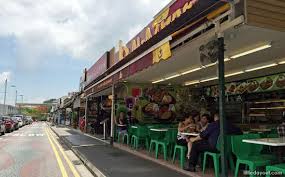
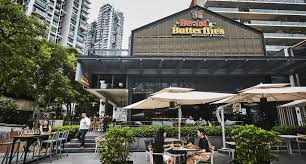
- Trendy cafes and fine-dining restaurants now offer British Hainan cuisine with modern interpretations.
- Use of high-quality ingredients and creative plating techniques.
- Emphasis on storytelling and cultural heritage in restaurant branding.
Culinary Tourism
British Hainan has become a niche culinary attraction, drawing tourists interested in:
- Authentic fusion dishes.
- Cultural history and heritage of the Hainanese community.
- Experiential dining that connects flavor with storytelling.
Socio-Cultural Significance
British Hainan is not just a culinary phenomenon; it is a lens through which historical, social, and cultural dynamics can be understood.
Cultural Preservation
- Maintains Hainanese traditions despite migration and modernization.
- Acts as a repository of culinary knowledge and techniques.
- Supports community identity in diaspora settings.
Cross-Cultural Influence
- Demonstrates how local communities absorb and reinterpret foreign influences.
- Reflects the interplay between colonial history and contemporary globalization.
- Bridges cultural gaps, allowing diverse audiences to appreciate hybrid culinary practices.
Economic Impact
- Restaurants contribute to local economies through employment and tourism.
- Culinary exports and catering services highlight Hainanese entrepreneurship.
- Fusion cuisine offers opportunities for branding and international market penetration.
Culinary Techniques and Cooking Methods
Understanding British Hainan requires familiarity with its technical aspects, combining Hainanese and British culinary methods.
Poaching and Roasting
- Poaching retains the tender texture of Hainanese chicken while infusing subtle flavors.
- Roasting introduces a British dimension, creating crispy skin and complex caramelized flavors.
Sauce Development
- Integration of Western sauces with Hainanese gravies.
- Use of stocks and reductions to enhance depth.
- Experimentation with herbs, spices, and dairy elements.
Rice Preparation
- Traditional Hainanese chicken rice involves cooking rice in chicken fat and stock.
- British Hainan variations may incorporate butter, aromatics, and seasoning adjustments to create richer flavors.
Presentation and Plating
- Hainanese dishes traditionally emphasize communal serving.
- British influence brings individual plating and visual aesthetics.
- Modern restaurants highlight artistic presentation, combining taste with visual appeal.
Checkpoints for Understanding British Hainan Cuisine
- Recognize the fusion of Hainanese cooking methods with British culinary principles.
- Identify key signature dishes, including chicken rice, pork chops, curries, and desserts.
- Understand the historical migration patterns and colonial influence shaping the cuisine.
- Appreciate the role of diaspora communities in preserving and innovating recipes.
- Consider the socio-cultural and economic significance of British Hainan in contemporary contexts.
Global Influence and Adaptations
British Hainan cuisine has expanded beyond Singapore and Southeast Asia, influencing culinary practices worldwide.
International Restaurants
- Pop-up restaurants and specialty eateries in major cities offer British Hainan-inspired menus.
- Fusion dishes attract food enthusiasts seeking unique experiences.
- Culinary workshops and masterclasses highlight technique and heritage.
Cross-Cultural Collaborations
- Collaboration with chefs from European, Asian, and Middle Eastern backgrounds.
- Introduction of hybrid menus that respect traditional flavors while incorporating modern trends.
- Participation in culinary festivals showcasing heritage and innovation.
Influence on Home Cooking
- Recipes adapted for home kitchens using accessible ingredients.
- Social media platforms promote easy-to-make fusion dishes.
- Online communities preserve traditional methods while encouraging experimentation.