Chengdu restaurants the capital of Sichuan province, is one of the world’s most dynamic food cities. Celebrated for its bold flavors, rich culinary history, and innovative dining culture, Chengdu has evolved from a regional capital into a global gastronomic destination.
In this guide, you won’t just find a list of restaurants — you’ll understand the city’s food culture, the most important dishes, where to eat them, how to navigate Chengdu’s culinary landscape, and what makes its restaurants uniquely valuable.
Why Chengdu’s Food Scene Matters
Chengdu’s food isn’t simply spicy — it’s complex, balanced, and built on deep tradition. The cuisine here dates back hundreds of years and represents one of China’s major culinary systems. Chengdu was designated a UNESCO Creative City of Gastronomy because of its heritage, diversity, and community food culture.
Every restaurant scene in Chengdu reflects not just taste but identity, community, and history.
How This Guide Works
This article breaks Chengdu’s restaurant world into meaningful sections:
- Most important dishes you must try
- Local favorites vs. tourist favorites
- Hidden eateries only locals frequent
- Michelin and chef‑driven restaurants
- Places organized by experience (street eats, breakfast, tea houses, fine dining)
- Practical travel and ordering tips
- Eating etiquette and cultural rules
Each section provides context, recommendations, and what to expect.
Essential Chengdu Dishes Before You Go
Before selecting restaurants, you must recognize the building blocks of Chengdu cuisine.
The Flavor Profile of Chengdu Food
Chengdu’s flavors are built on five key modifiers:
- Ma (numbing) – typically from Sichuan peppercorns
- La (spicy heat) – from chili peppers
- Xian (savory/umami) – fermented bean pastes and soy products
- Tian (sweet) – balanced throughout sauces
- Suan (sour) – used in salads and cold dishes
These elements are not random — they are balanced to create depth.
Top Signature Dishes
Below are the foundational dishes you’ll encounter in many restaurants:
- Mapo Tofu – silky tofu with numbing peppercorn sauce
- Dan Dan Noodles – spicy minced pork noodles
- Kung Pao Chicken – wok‑tossed sweet, salty, and spicy chicken
- Sichuan Hotpot – communal spicy broth with dipping ingredients
- Twice‑Cooked Pork – smoky pork belly slices
- Sichuan‑Style Dry Wontons – tossed in chili oil and spices
- Spicy Rabbit Head – local favorite, bold flavors
- Tea Smoked Duck – fragrant and deeply flavored
Each recipe may vary slightly by restaurant — the balance of heat, numbness, and aromatics is a chef’s signature.
The Cultural Importance of Dining in Chengdu
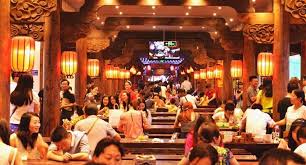
Dining in Chengdu is social. Meals are eaten in groups, with shared dishes, extended conversations, tea between courses, and leisurely pacing. A restaurant here is more than a meal — it’s an experience.
Most locals spend more time eating than anywhere else in China. This is why Chengdu’s tea house culture thrives alongside its restaurants.
Local Favorites: Restaurants Loved by Locals
Local riders, teachers, shopkeepers, and families eat at hundreds of small spots that don’t appear on typical tourist lists — yet they are essential.
Traditional Chengdu Breakfast Eateries
Breakfast Noodle Shops
- Where locals go first: narrow storefronts with no English signs
- Common orders: beef noodle soups, spicy flat noodles, congee
- Tips: Bring cash; point or show the picture
Breakfast here is savory, spicy, and hearty.
Soy Milk and Fried Dough Stalls
- Often open from dawn
- Freshly made soy milk and crispy dough
- Order hot soy with a savory side
Neighborhood Hotpot
Hotpot here isn’t only for tourists — families gather nightly.
What Makes Chengdu Hotpot Unique
- The broth is scented with peppercorns, chilies, star anise, and fermented bean paste
- You choose ingredients: beef slices, mushrooms, tofu puffs, offal, leafy greens
- Dipping sauces are mixed at the table
Locals prefer certain houses in alleys — ask nearby diners for recommendations. These spots often have sharper flavors and stronger numbing heat.
Old‑School Sichuan Snack Shops
These are mini‑restaurants focusing on smaller dishes:
- Cold noodles with chili oil
- Sesame buns stuffed with pork
- Chengdu pancakes
- Cucumber with garlic and vinegar salad
These shops are perfect before dinner or as afternoon bites.
Tourist Favorite Restaurants
Some restaurants gained their popularity by offering both quality and accessibility.
Guidebook Favorites with Broad Appeal
These places have menus in English, comfortable settings, and reliable flavors.
Restaurants in this category help new visitors understand what Sichuan cuisine is about while staying approachable.
Michelin and Elevated Dining in Chengdu
Chengdu has earned global restaurant recognition.
High‑Level Restaurants That Push the Cuisine Further
These are often chef‑driven, with innovative takes on tradition.
- Chefs may reinterpret classics
- Ingredients are premium — not just traditional
- Technique may blend Sichuan with modern culinary science
Dining here is more than eating; it’s culinary theater.
Themed Restaurant Categories
Let’s organize recommended places by travel occasion.
Best Places for Street Food
These are perfect for wandering food markets, eating at counters, and trying many dishes.
Common dishes available at street stalls:
- Skewers with chili powder
- Spicy cold noodles
- Grilled fish with herbs
- Crispy sweet buns
The streets are alive with smells and vibrant colors.
Best Places for Group Dinners
Group dinners favor hotpot and shared dishes.
Tips:
- Order small plates first (cold dishes and appetizers)
- Follow with hotpot or big wok dishes
- Sauces are essential — mix your own at the table
Best Places for First‑Time Visitors
These have:
- English menus
- Staff accustomed to tourists
- Representative dishes from simple to complex
Best Places for Late‑Night Eats
Chengdu eats don’t stop at 10 pm. Night markets spill into alleyways late into the night.
Popular late‑night orders:
- Spicy rabbit
- Grilled skewers
- Cold dishes to soothe heat
Ordering and Menu Navigation
Ordering in Chengdu may be intimidating if you don’t speak Chinese.
Tips to Order Efficiently
- Use translation apps with picture menus
- Point at what other tables eat
- Ask for ma level (numbing) and la level (spicy) individually
Decoding a Menu
A typical menu has:
- Cold dishes (凉菜) – salads and appetizers
- Hot dishes (热菜) – mains
- Staple foods (主食) – noodles, rice, buns
- Soups (汤) – variety of broths
- Hotpot menus – ingredient list and broth choices
Look for visuals — many restaurants now include pictures.
Essentials in Dining Etiquette
Chengdu diners often:
- Share every dish
- Use communal chopsticks for shared plates
- Eat slowly and talk during meals
- Drink tea between courses
It’s not rushed — it’s social.
Tea Houses and Food Culture
Tea houses in Chengdu are not just for tea — they are social hubs.
People go there:
- Before or after meals
- To discuss business
- To play cards and socialize
The tea house culture parallels dining — leisurely and social.
Regional Flavors Within Chengdu
Even within the city, eating styles vary by neighborhood.
Old Chengdu
Narrow streets, small shops, classic recipes
Modern Districts
Fine dining, fusion restaurants, chef experimentation
Ingredients That Define Chengdu
Several ingredients appear repeatedly:
- Sichuan peppercorn
- Chili bean paste
- Fermented soy
- Pickled vegetables
- Garlic and ginger
Understanding these will help you predict flavors.
What Makes a Restaurant Great in Chengdu
Experts and locals look for:
- Fresh ingredients
- Balanced spice
- Authentic sauces
- Skillful wok techniques
- Seasonal menus
Worst Restaurants to Avoid
Steer clear of:
- Tourist traps with no real recipes
- Places that add sugar to calm spicy dishes
- Chains that try to “dumb down” Sichuan food
Authenticity matters.
Budget Guide
Chengdu eats at all price levels.
Cheap Eats
- Street stalls
- Local noodle shops
- Small snack vendors
Mid‑Range
- Traditional sit‑down restaurants
- Hotpot places with reasonable pricing
Expensive
Fine dining and Michelin‑level tasting menus
How to Make the Most of Your Trip
Go With a Local
Invite someone who knows the best neighborhood places — they’re often not on any map.
Eat at Off‑Hours
Popular restaurants fill fast.
Ask Chefs What They Would Eat
They often point you to real local favorites.
Conclusion: Shengdu’s Restaurants Are More Than Food
Chengdu’s restaurant world is a living culture. It’s deep, layered, and built on tradition, community, and flavor. A visit here is not just a meal — it’s a story you live through your senses.
With this guide you not only know where to eat — you understand why and how to appreciate what you’re eating.