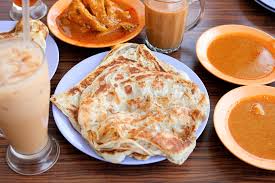
Crispy roti prata is one of the most loved street foods in Southeast Asia, especially in Singapore and Malaysia. Its flaky texture, golden brown crust, and the ability to pair with a variety of dishes make it irresistible. This guide provides a comprehensive understanding of how to create the perfect crispy roti prata, covering everything from ingredients and preparation techniques to variations, tips, and serving suggestions.
Understanding Crispy Roti Prata
Roti prata is a type of flatbread that is pan-fried to achieve a crispy exterior and a soft, layered interior. Its origins can be traced back to South Indian paratha, but the version popular in Southeast Asia has evolved into its own unique form. Understanding the key components and methods for making crispy roti prata is essential for achieving perfect results.
Ingredients and Their Importance
- Flour: High-protein wheat flour is preferred as it provides elasticity for stretching and layering.
- Water: Cold or room temperature water is used to create the dough.
- Fat: Ghee, butter, or oil is essential for layering and crispiness.
- Salt: Enhances flavor.
- Optional: Milk or condensed milk can be added for richness and a slightly sweet flavor.
The Science of Crispiness
Crispiness is achieved by creating multiple layers of dough separated by fat. When the dough is stretched and folded, steam generated during frying puffs up the layers, creating a flaky texture. Proper temperature control is crucial to avoid sogginess or burning.
Step-by-Step Preparation Techniques
Making the Dough
- Combine flour, water, salt, and fat in a mixing bowl.
- Knead the dough for 10-15 minutes until smooth and elastic.
- Cover the dough and let it rest for at least 4 hours, preferably overnight.
- Resting allows gluten development, making the dough easier to stretch and fold.
Stretching and Folding
- Divide the dough into equal portions.
- Roll each portion into a ball and coat lightly with oil.
- Using your palms, stretch the dough into a thin, almost transparent sheet.
- Fold the sheet into layers using the traditional folding technique: fold edges to the center and roll into a spiral.
Frying Techniques
- Preheat a flat skillet or tawa over medium heat.
- Add a small amount of oil or ghee.
- Place the folded dough on the skillet.
- Fry until golden brown on one side, then flip to cook the other side.
- Press lightly with a spatula to ensure even crisping.
Troubleshooting Common Issues
- Soggy Prata: Fry at a slightly higher temperature or use less fat during folding.
- Burnt Exterior: Lower the heat slightly and fry for a longer time.
- Uneven Layers: Ensure proper stretching and folding; dough should be uniform.
Variations of Crispy Roti Prata
Plain Crispy Prata
A classic favorite. Focuses purely on the flaky texture and subtle flavor of the dough. Best paired with curry or sugar.
Egg Prata
- Crack an egg onto the stretched dough before folding.
- The egg cooks inside, adding richness and protein.
- Optional toppings: green onions, chili, or cheese.
Cheese Prata
- Sprinkle grated cheese on the dough before folding.
- Melted cheese inside the crispy layers creates a gooey texture.
Sweet Prata
- Fill the dough with sugar, condensed milk, or chocolate.
- Fry until the filling melts and the dough is golden brown.
Stuffed Variations
- Incorporate ingredients like minced meat, vegetables, or mushrooms.
- Ensure filling is pre-cooked to avoid excess moisture.
Pairing and Serving Suggestions
Curries and Gravies
- Chicken curry
- Fish curry
- Vegetable dhal
Sweet Accompaniments
- Condensed milk
- Sugar
- Chocolate syrup
Beverages
- Teh tarik (pulled tea)
- Kopi (coffee)
- Fresh fruit juices
Advanced Tips for Perfect Crispy Roti Prata
- Dough Temperature: Slightly chilled dough stretches better without tearing.
- Layering Technique: Ensure even distribution of fat between folds.
- Skillet Quality: A heavy-bottomed skillet retains heat evenly for crisp frying.
- Cooking Oil: Use a neutral oil or ghee for flavor and browning.
- Serving Fresh: Serve immediately for optimal crispiness; reheating may soften layers.
Cultural Context and Popularity
Crispy roti prata is more than just a snack; it is a cultural experience. It is commonly found in hawker centers, night markets, and local eateries across Singapore and Malaysia. Street vendors often specialize in variations, perfecting their unique folding and frying techniques over decades.
Regional Differences
- Singaporean Style: Focuses on thin, golden layers and pairing with curry.
- Malaysian Style: Slightly thicker layers and often served with sweet or savory fillings.
- Indian Influence: The base technique is borrowed from South Indian paratha, but local adaptations have created distinct textures and flavors.
Signature Techniques of Master Vendors
- Stretching dough until almost transparent.
- Rapid flipping for uniform crispiness.
- Using special tawa or griddles for heat retention.
- Combining different fats for enhanced flavor and texture.
Nutritional Information
- Calories: Depends on size and fat used; average plain roti prata contains 200-300 calories.
- Protein: Egg and cheese variations provide higher protein content.
- Fats: Frying and layering introduce significant fat content.
- Carbohydrates: Wheat flour contributes to carbohydrate content.
Health Considerations
- Use moderate amounts of fat for a balanced diet.
- Consider whole wheat flour for added fiber.
- Experiment with alternative oils like coconut or avocado for flavor and health benefits.
Home Cooking vs Street Experience
Home Cooking Advantages
- Full control over ingredients and fat content.
- Ability to experiment with flavors and fillings.
- Hygienic preparation environment.
Street Experience Advantages
- Unique flavors and textures perfected over years.
- Social and cultural atmosphere.
- Quick and convenient consumption.
Combining Both Approaches
- Learn techniques from street vendors, replicate at home with personal twists.
- Experiment with folding styles, fillings, and accompaniments.
Step-by-Step Home Recipe: Crispy Plain Roti Prata
Ingredients:
- 2 cups high-protein flour
- 1 tsp salt
- 3/4 cup water (adjust as needed)
- 2 tbsp ghee or butter
- Oil for frying
Instructions:
- Mix flour and salt.
- Gradually add water, kneading to form a smooth dough.
- Add ghee and knead until incorporated.
- Rest dough for 4-6 hours.
- Divide dough into balls.
- Stretch each ball into thin sheets.
- Fold and roll to create layers.
- Heat skillet with oil.
- Fry each prata until golden brown on both sides.
- Serve hot with curry or sugar.
Step-by-Step Home Recipe: Egg and Cheese Roti Prata
Ingredients:
- Same as plain roti prata
- 1 egg per prata
- Grated cheese as desired
Instructions:
- Prepare dough as per plain recipe.
- Stretch dough thin.
- Sprinkle grated cheese.
- Crack an egg onto the dough.
- Fold and seal edges.
- Fry until golden and egg is cooked.
- Serve immediately.
Variations and Fusion Ideas
- Herb Infused Prata: Add finely chopped herbs into the dough for flavor.
- Spicy Prata: Incorporate chili flakes or paste.
- Dessert Prata: Fill with fruits, chocolate, or nuts.
- Vegan Prata: Use plant-based fats and fillings.
Tips for Serving and Presentation
- Stack freshly fried pratas to keep them warm.
- Cut into wedges for easy dipping.
- Drizzle sweet or savory sauces for visual appeal.
- Use garnishes like chopped coriander, sesame seeds, or sliced chili.
Tools and Equipment
- Heavy-bottomed skillet or tawa for even heat.
- Spatula for flipping and pressing.
- Rolling board and pin for stretching dough.
- Small bowls for separating and resting dough portions.
Troubleshooting and Expert Tips
- Dough tearing: Rest longer or use slightly more fat.
- Sticking to skillet: Ensure skillet is hot and lightly oiled.
- Uneven cooking: Adjust heat; press lightly for consistent crispiness.
Comparing Regional Styles and Techniques
- Singapore vs Malaysia: Singapore focuses on thin, crisp layers; Malaysia may have thicker, fluffier texture.
- Folding differences: Some vendors use spiral folding, others use envelope folding.
- Serving preferences: Curry is universal; sweet accompaniments are more common in Malaysia.
Final Thoughts
Crispy roti prata is both an art and a science. By mastering the dough, folding, and frying techniques, anyone can create a perfect, flaky, golden flatbread at home. Experimenting with variations, fillings, and accompaniments can elevate the experience, making it suitable for home cooks, food enthusiasts, and cultural explorers alike.
With this comprehensive guide, you have everything needed to understand, prepare, and enjoy crispy roti prata. From foundational techniques to advanced variations, this article covers all aspects for an authentic, flavorful experience