Duxton Road is one of the most fascinating streets in Singapore, blending historical charm with modern lifestyle culture. Located within the Chinatown and Tanjong Pagar district, this street has transformed dramatically over time. What was once a quiet plantation area later became a busy trading street, and today it stands as a vibrant destination filled with restaurants, cafes, boutique hotels, nightlife spots, and heritage buildings. Visitors who explore Duxton Road quickly realize that the area offers more than just dining and nightlife. It represents a living timeline of Singapore’s urban development. Walking through the street reveals beautifully restored shophouses, stylish bars, innovative restaurants, and hidden lifestyle spaces that reflect Singapore’s multicultural identity. For travelers, food enthusiasts, architecture lovers, and cultural explorers, Duxton Road provides a unique environment where history and modern living exist side by side. The area attracts locals during evenings and weekends, while tourists often visit to experience the heritage charm of Singapore beyond the typical attractions.
Location and Surrounding District
Duxton Road is situated near Singapore’s central business district and forms part of the broader Chinatown and Tanjong Pagar neighborhood. Its strategic location makes it easily accessible and places it close to several iconic districts. The road connects with Duxton Hill, which is another popular area known for its elevated street layout and charming heritage architecture. The surroundings feature a mix of historic conservation buildings and modern developments. Within walking distance, visitors can reach cultural landmarks, commercial areas, and major transportation hubs. The proximity to Chinatown means that the area carries strong cultural influences, particularly from early Chinese immigrant communities who helped shape Singapore’s urban landscape. The district also sits close to major commercial offices, making Duxton Road a popular after-work gathering spot for professionals who visit the area for dining and social experiences.
Historical Origins of Duxton Road
The history of Duxton Road traces back to the nineteenth century when the area was originally a plantation landscape. During this time, large plots of land were used for agricultural cultivation, particularly nutmeg plantations. These plantations were part of Singapore’s early economic activities under British colonial administration. As Singapore expanded as a port city, the plantation lands gradually transformed into residential and commercial districts. Duxton Road was developed as part of this urban expansion and quickly became a residential area populated by immigrant communities. Chinese settlers in particular played an important role in shaping the social and economic life of the district. Over time, shophouses were built along the street. These structures combined residential and commercial functions, allowing families to operate businesses on the ground floor while living on the upper levels. This architectural style became one of the defining characteristics of many historic streets across Singapore.
Evolution Through the Early 20th Century
During the early twentieth century, Duxton Road became a lively urban street within the expanding Chinatown district. Shops, small businesses, and community establishments began to appear throughout the area. These included food stalls, herbal medicine shops, traditional craft businesses, and trading houses. At the same time, the street developed a reputation for nightlife and entertainment. Various establishments catering to sailors, traders, and workers opened in the surrounding streets. This period reflected the dynamic and sometimes chaotic growth of Singapore as a colonial trading port. Despite these changes, the architectural character of the street remained largely intact. Rows of shophouses with colorful facades, wooden shutters, and ornate decorations continued to define the streetscape.
Transformation During Urban Redevelopment
By the late twentieth century, Singapore underwent major urban redevelopment projects aimed at modernizing the city while preserving important historical areas. Duxton Road was identified as a conservation district due to its architectural and cultural significance. Government initiatives focused on restoring historic buildings while allowing new businesses to operate within them. This transformation helped revive the area and turned it into one of Singapore’s most charming heritage neighborhoods. Instead of being replaced by modern skyscrapers, the traditional shophouses were carefully restored. Their original designs were preserved while interiors were upgraded to accommodate modern commercial uses such as restaurants, cafes, and boutique hotels.
Architectural Character of Duxton Road
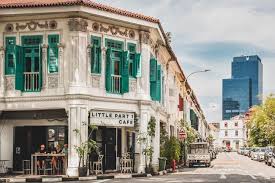
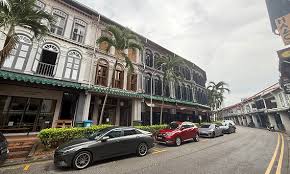
Architecture plays a major role in defining the visual identity of Duxton Road. The street is lined with traditional shophouses that represent a blend of Chinese, Malay, and European design influences. These buildings typically feature narrow frontages with long interior spaces. Decorative tiles, ornate carvings, pastel colors, and arched windows add to their visual appeal. Many buildings also include covered walkways known as five-foot ways. These sheltered paths were designed to protect pedestrians from sun and rain while allowing easy access to shops. The architectural preservation of Duxton Road makes it an important example of Singapore’s commitment to protecting historical heritage within a modern city.
The Cultural Identity of the Area
Duxton Road reflects the multicultural identity that defines Singapore as a nation. Over the years, the area has welcomed communities from different backgrounds who contributed to its cultural development. Chinese immigrant traditions influenced early businesses and community organizations, while modern international influences have brought global cuisines and contemporary lifestyle experiences to the street. Today visitors can experience a diverse mix of cultures through the restaurants, cafes, and social venues that operate in the area. From Asian fusion cuisine to European dining concepts, the street has become a culinary destination representing global gastronomy.
Food Culture on Duxton Road
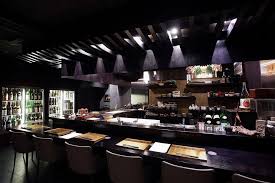
One of the biggest attractions of Duxton Road is its vibrant food scene. The street is home to a wide variety of restaurants offering different cuisines and dining styles. Some establishments focus on fine dining experiences, while others offer casual meals and street-inspired dishes. The culinary diversity reflects Singapore’s role as a global food hub where international influences merge with local traditions. Visitors can explore restaurants serving Japanese, Korean, Italian, French, Thai, and modern Asian cuisines. Many chefs in the area experiment with innovative cooking techniques and creative presentations, making the street an exciting destination for food lovers.
Cafes and Coffee Culture
Beyond restaurants, Duxton Road also features an impressive collection of cafes that attract coffee enthusiasts and remote workers. These cafes often emphasize specialty coffee, artisanal pastries, and relaxed interior design. The cafe culture reflects modern urban lifestyle trends where people seek comfortable spaces to socialize, work, or simply enjoy quality coffee. Many cafes in the area focus on sustainability and premium ingredients, offering handcrafted beverages and locally inspired desserts. The cozy atmosphere of these establishments complements the historic surroundings, creating a welcoming environment for visitors throughout the day.
Nightlife and Social Scene
As evening approaches, Duxton Road transforms into a lively nightlife destination. Bars, cocktail lounges, and social venues open their doors to guests seeking entertainment and relaxation after work. The nightlife scene ranges from sophisticated cocktail bars to casual pubs where friends gather for drinks. Many venues feature creative cocktail menus crafted by experienced mixologists. Live music events and themed parties occasionally add to the vibrant energy of the street. Despite its nightlife popularity, the area maintains a refined and relaxed atmosphere compared to larger entertainment districts.
Boutique Hotels and Accommodation
Duxton Road has also become a location for boutique hotels that provide unique accommodation experiences. These hotels often operate within restored heritage buildings, preserving the architectural character of the street while offering modern luxury amenities. Guests staying in these boutique hotels enjoy a blend of historical ambiance and contemporary comfort. Rooms often feature stylish interior designs that combine traditional elements with modern technology. Staying in this area allows travelers to experience the cultural heart of Singapore while remaining close to major attractions.
Lifestyle and Wellness Spaces
In recent years, lifestyle and wellness businesses have also emerged on Duxton Road. These include yoga studios, fitness centers, beauty salons, and wellness clinics. The presence of these services reflects changing urban lifestyles where health and personal wellbeing have become priorities. Many professionals working in nearby offices visit these establishments before or after work. The combination of dining, wellness, and social spaces creates a balanced environment that supports modern urban living.
Shopping and Boutique Stores
Although Duxton Road is not primarily known as a shopping district, visitors can still discover unique boutique stores and specialty shops in the area. These small businesses often focus on niche products such as handcrafted accessories, designer clothing, lifestyle goods, and artisanal items. The shopping experience in this area differs from large commercial malls because it emphasizes individuality and creativity. Many store owners curate their collections carefully, offering products that reflect artistic inspiration and cultural heritage.
Artistic and Creative Community
Duxton Road has gradually attracted members of Singapore’s creative community. Artists, designers, photographers, and entrepreneurs have opened studios and creative spaces within the neighborhood. The artistic atmosphere contributes to the district’s unique personality. Street photography is particularly popular here because the colorful buildings and vibrant nightlife provide visually appealing scenes. The area often appears in lifestyle magazines and social media posts showcasing Singapore’s cultural charm.
Hidden Gems and Unique Discoveries
Visitors who take time to explore the smaller alleys and side streets around Duxton Road often discover hidden gems. These include quiet cafes, private dining experiences, concept stores, and unique bars that may not appear in typical travel guides. The sense of discovery adds excitement to exploring the neighborhood. Unlike large tourist attractions, the charm of Duxton Road lies in these unexpected finds that reveal themselves gradually during a leisurely walk.
Best Time to Visit the Area
Duxton Road offers different experiences depending on the time of day. During the morning and afternoon, the atmosphere is relatively calm. Cafes open early and provide a peaceful environment for breakfast and coffee. As evening approaches, the street becomes more energetic with restaurants welcoming diners and bars preparing for nightlife crowds. Weekends tend to attract more visitors, especially people seeking dining and social experiences. Travelers who prefer quieter exploration may enjoy visiting during weekday afternoons.
Transportation and Accessibility
The location of Duxton Road makes it easily accessible through Singapore’s public transportation network. Several nearby train stations connect the area to other parts of the city. Bus routes also pass through the surrounding streets, providing additional travel options. Many visitors choose to walk from nearby districts such as Chinatown and Tanjong Pagar. The pedestrian-friendly layout of the neighborhood encourages exploration on foot, allowing visitors to appreciate the architecture and street atmosphere.
Nearby Attractions and Landmarks
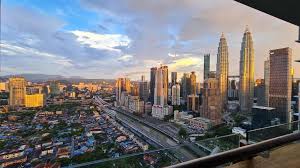
Exploring Duxton Road often leads visitors to other nearby attractions. Chinatown is only a short walk away and offers traditional markets, temples, and cultural sites. The central business district lies nearby, featuring modern skyscrapers and financial institutions. Another notable landmark in the area is the residential development known for its dramatic sky gardens and elevated bridges. The combination of historic streets and modern architecture highlights Singapore’s ability to balance tradition with innovation.
Local Dining Recommendations
Food lovers visiting Duxton Road often look for memorable dining experiences. The street offers a wide selection of restaurants that focus on quality ingredients and creative menus. Some establishments specialize in contemporary European cuisine, while others highlight Asian flavors with modern interpretations. Many chefs emphasize seasonal ingredients and innovative cooking methods. The dining culture encourages guests to explore multiple restaurants and experience different culinary styles throughout their visit.
Street Atmosphere and Visual Identity
Walking along Duxton Road provides a visually engaging experience. The colorful facades of heritage buildings create a picturesque streetscape that attracts photographers and tourists. Outdoor seating areas allow diners to enjoy meals while observing the lively street environment. At night, warm lighting from restaurants and bars enhances the ambiance and creates a welcoming atmosphere. The combination of architecture, lighting, and social activity gives the street a distinctive personality.
Urban Planning and Conservation Efforts
The preservation of Duxton Road reflects Singapore’s broader commitment to heritage conservation. Authorities recognized the historical importance of the district and implemented policies to protect its architectural character. Restoration projects ensured that buildings maintained their original designs while adapting to modern usage. These conservation efforts helped transform the street into a successful example of heritage revitalization. Instead of losing historical identity during urban development, the area gained new life through thoughtful planning.
Economic and Business Impact
The transformation of Duxton Road has also contributed to local economic growth. Restaurants, hotels, and lifestyle businesses attract both locals and international visitors. The presence of these establishments generates employment opportunities and encourages entrepreneurship. Property values in the surrounding area have increased due to the popularity of the district. Businesses benefit from the street’s reputation as a trendy and culturally rich destination.
Future Development and Trends
Looking ahead, Duxton Road is expected to continue evolving while maintaining its heritage charm. New dining concepts, creative businesses, and lifestyle experiences will likely emerge as entrepreneurs explore opportunities in the area. Urban planners will continue balancing modernization with preservation to ensure that the historical character of the street remains intact. The district may also see increased tourism as travelers seek authentic cultural experiences within Singapore.
Why Duxton Road Remains a Unique Destination
Duxton Road stands out among Singapore’s many neighborhoods because it combines history, culture, architecture, and modern lifestyle in a single location. The street tells a story of transformation from plantation land to urban district and eventually to a vibrant cultural hub. Visitors can experience diverse cuisines, explore heritage buildings, and enjoy nightlife within a relatively small area. This diversity makes the street appealing to a wide range of people including tourists, locals, professionals, and creative communities.
Conclusion
Duxton Road represents the dynamic spirit of Singapore where historical heritage meets modern urban life. The street’s journey from plantation origins to a fashionable dining and lifestyle destination reflects the city’s broader evolution. Visitors exploring the area discover more than just restaurants and cafes. They encounter a neighborhood filled with stories, architectural beauty, cultural diversity, and creative energy. Whether someone visits during a quiet morning walk or a lively evening gathering, Duxton Road offers an experience that captures the essence of Singapore’s past and present.