Duxton Road is a historic street located in the central region of Singapore, embedded within the Tanjong Pagar district. This road, though short in length, carries a deep cultural and architectural legacy that reflects Singapore’s colonial past, its multicultural evolution, and its transformation into one of the nation’s most vibrant precincts. Over time Duxton Road has emerged not only as a physical connection between streets but as a symbolic bridge between eras, communities, and lifestyles. The narrative of Duxton Road encapsulates colonial planning influences, the lives of the early immigrants who made the surrounding shophouses their homes and workplaces, and the present‑day resurgence of interest in heritage conservation and modern urban experiences. In this comprehensive exploration of Duxton Road you will journey through its geography, its origin and evolution, its architectural significance, the cultural context, notable places and businesses, visitor experiences, urban transformation challenges, and recommendations for deeper engagement.
Geographic Overview and Location Context
Duxton Road is centrally positioned within Singapore’s urban grid, running parallel to and intersecting with major city arteries that define the Tanjong Pagar and Outram precincts. It lies near Telok Ayer Street to the north and Craig Road to the south. The proximity of Duxton Road to Tanjong Pagar MRT Station and Maxwell Food Centre makes it easily accessible and frequently encountered by both residents and visitors exploring the city’s heritage zones. Urban planners often describe Duxton Road as part of a microcosm of conserved heritage zones that link larger urban developments with preserved pockets of historic character. The street’s orientation and alignment were influenced by planning considerations during the British colonial period, designed to accommodate trade activity, residential use, and connectivity between the port areas and inland urban spaces.
Historical Roots and Evolution
The earliest records of Duxton Road date back to the mid‑19th century, when Singapore was evolving rapidly as a key trading port within the British Empire. At that time, the surrounding area of Tanjong Pagar was predominantly rural lowlands interspersed with Chinese and Malay kampongs, small agricultural lots, and early merchant settlements. Duxton Road was established as part of the extension of urban grid planning that apportioned land parcels alongside major thoroughfares to support the influx of immigrant laborers, business owners, and artisans. The name Duxton itself is believed to have origins related to colonial officials or investors, reflecting naming conventions that honored individuals associated with land development or administration.
The earliest structures along Duxton Road were traditional shophouses featuring combined residential and commercial use. These shophouses accommodated families on the upper floors while the ground floors served as retail spaces, workshops, or small trading posts. Over time, as Singapore’s economy diversified and expanded, Duxton Road became integrated into broader commercial circuits linking the port, warehouses, and inland business districts. By the early 20th century, the street and its environs were fully embedded within Singapore’s urban growth trajectory.
Architectural Character and Shophouse Heritage
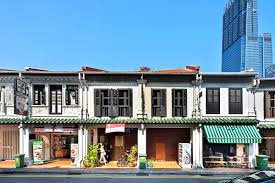
The architectural identity of Duxton Road is inseparable from its famed row of conserved shophouses. These structures exemplify the evolutionary blend of regional Asian architectural motifs and colonial influences. Characterized by narrow frontages, deep interiors, and decorative façades, shophouses on Duxton Road feature elements such as ornate plasterwork, louvered windows, timber shutters, and vibrant color palettes. The architectural vocabulary of these buildings reflects multiple stylistic periods, from early simple designs to late Victorian and Edwardian influences.
A key architectural feature across shophouses is the presence of five‑foot ways, covered pedestrian walkways that provide shelter from sun and rain. This functional design was mandated through colonial regulations aimed at creating cohesive streetscapes that accommodated commerce and pedestrian circulation. The layout of these buildings—typically one to three stories, with commercial use at the street level and residential units above—reflects a mixed‑use approach that remains a hallmark of traditional Southeast Asian urban design.
Conservation efforts in the late 20th century recognized the cultural and aesthetic significance of these buildings. Government‑led conservation programmes sought to retain the façades, key architectural elements, and pedestrian‑oriented streetscapes. Restoration projects balanced modern building standards with heritage preservation, ensuring the shophouses remain a living part of the city rather than static museum pieces.
Cultural Context and Community Fabric
Duxton Road’s cultural fabric is woven from the diverse communities that have interacted with the space over generations. Early residents included Chinese immigrants who engaged in trades such as carpentry, tailoring, and retail provision. Malay and Indian communities also contributed to the area’s labor force and cultural mosaic. This multicultural layering fostered informal networks of support, commerce, and shared cultural expression, particularly visible in the everyday life of the lane and its surroundings.
Festivals, religious practices, and culinary exchanges reflected the composite nature of the communities. Places of worship, clan associations, and social halls within walking distance of Duxton Road reinforced community bonds. Family lines often passed properties and businesses down through generations, establishing deep ties to the street. Social historians note that the informal economic activities and community interactions contributed to a unique local character that distinguished Duxton Road from purely commercial districts.
Transformation and Urban Renewal
The rapid development of Singapore in the post‑World War II era brought significant changes to Duxton Road. As the national economy shifted towards finance, technology, and global trade, older residential districts underwent redevelopment pressures. Many families moved to newly constructed housing estates, while commercial interests eyed the inner city for investment opportunities. Duxton Road, with its strategic location and heritage appeal, became a site of urban transformation that balanced preservation with modernization.
Government initiatives in the late 1970s and 1980s emphasized heritage conservation, recognizing that older precincts contributed to Singapore’s unique urban identity. The Urban Redevelopment Authority introduced guidelines to protect conserved areas while promoting adaptive reuse. Shophouses that were once simple family homes became sites for boutique offices, specialty restaurants, art galleries, and designer studios. This process preserved the architectural essence while infusing the area with new economic vitality, turning Duxton Road into a vibrant destination that bridges past and present.
Culinary Landscape and Notable Eateries
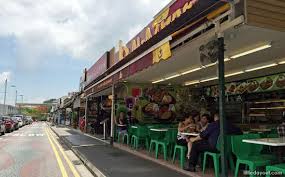
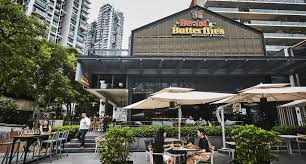
Duxton Road and its surroundings have become a destination for food lovers seeking both traditional and contemporary dining experiences. The evolution of culinary offerings mirrors broader changes in the precinct: heritage cafés and kopitiams sit alongside modern patisseries, fusion restaurants, and craft beverage bars. Dining venues often capitalize on the unique heritage atmosphere of the shophouses, with interior design themes that pay homage to the original structures while offering contemporary comfort.
Local favorites include eateries that blend traditional flavors with modern presentation. Signature dishes might feature reinterpretations of Peranakan cuisine, artisanal versions of hawker classics, and global fusion menus that draw inspiration from the multicultural heritage of Singapore. Many cafés emphasize locally sourced ingredients, specialty coffee, and curated dessert menus. Evening venues often pivot to offer cocktails and small plates, catering to both after‑work crowds and leisure visitors.
Food tours that include Duxton Road highlight hidden gems, chef‑owned establishments, and unique mash‑ups that showcase Singapore’s culinary creativity. The street’s proximity to Maxwell Food Centre and Amoy Street Food Centre expands the food exploration options, allowing visitors to traverse between heritage shophouse dining and iconic hawker stalls.
Arts, Culture, and Boutique Experiences
Beyond food, Duxton Road houses a variety of cultural and boutique experiences. Art galleries and studios occupy renovated shophouses, often showcasing works by local and regional artists. These spaces serve as community hubs for creative exchange, hosting exhibitions, workshops, and collaborative events that enrich the cultural life of the precinct. Some galleries focus on photography, contemporary art, or design, reflecting the diverse talents and influences present within Singapore’s art scene.
Retail boutiques on Duxton Road specialize in design objects, artisanal goods, fashion labels with independent roots, and heritage‑inspired products. These shops appeal to visitors looking for unique gifts, locally crafted items, and products that reflect the fusion of tradition and innovation. Walk‑in experiences often include owner‑led demonstrations, designer talks, and curated selections that distinguish these boutiques from larger commercial retailers.
Architectural Tours and Heritage Interpretation
Guided architectural tours have become popular for those seeking a deeper understanding of Duxton Road’s built environment. These tours typically examine the typologies of shophouse design, decorative elements, conservation strategies, and the interplay between historical form and contemporary function. Interpretation programs connect architectural features with social history, exploring how spatial configurations affected daily life, economic activity, and community interactions.
Walking tours often contextualize Duxton Road within wider heritage zones, linking it to adjacent streets like Duxton Hill, Neil Road, and Craig Road. Broader themes include colonial planning principles, the evolution of building typologies across Southeast Asia, and the influence of trade networks on material culture. These interpretive experiences appeal to architecture students, heritage enthusiasts, and travelers seeking enriched perspectives beyond surface aesthetics.
Practical Visitor Information and Orientation
For those planning to visit Duxton Road, orientation and practical navigation tips enhance the experience. The street is within easy walking distance of Tanjong Pagar MRT, Exit A. Signage along adjacent streets offers directional cues to Maxwell Road, Duxton Hill, and heritage landmarks. The area’s pedestrian pathways are designed to accommodate both foot traffic and cycle access, though visitors should remain mindful of vehicular access, particularly during peak hours.
Nearby landmarks that complement a Duxton Road visit include the Tanjong Pagar Conservation Area, the Pinnacle@Duxton heritage viewpoint, and the Buddha Tooth Relic Temple. Combined itineraries might span architectural tours, lunch or dinner experiences, and visits to boutique shops and galleries. Evening lighting along the shophouses creates an atmospheric ambiance, making dusk and nighttime popular periods for photography and casual strolls.
Urban Challenges and Conservation Tensions
Despite its success as a heritage precinct, Duxton Road, like many conserved areas, faces ongoing challenges. Balancing commercial pressures with the integrity of residential heritage remains a key concern. Rising property values have made it difficult for some long‑standing businesses and residents to remain. Adaptive reuse has preserved façades but sometimes altered the internal spatial character, leading to debates among conservationists about authenticity versus practicality.
Traffic management and public space activation also present challenges. Increased visitation can strain narrow walkways and require thoughtful strategies for seating, signage, and amenities that do not detract from the historic fabric. Local authorities, business owners, and community groups engage in collaborative planning to ensure that the area remains accessible, vibrant, and respectful of its heritage legacy.
Comparative Perspectives on Heritage Streets
Comparing Duxton Road with similar historic streets in Singapore and beyond reveals patterns in urban evolution and heritage conservation. Streets like Ann Siang Hill, Club Street, and Haji Lane share characteristics such as conserved shophouses, mixed‑use functions, and cultural layering. Each street, however, retains distinct identities shaped by specific community histories and urban contexts.
In Southeast Asian cities like Penang, Georgetown, and Melaka, comparable heritage streets have followed parallel trajectories: colonial legacies, immigrant influence, conservation initiatives, and modern revitalization. Cross‑city comparisons highlight the ways in which heritage preservation can support economic activity without erasing cultural memory. These examples offer insights for ongoing stewardship of Duxton Road, emphasizing community engagement, sensitive design interventions, and inclusive programming.
Personal Narratives and Local Voices
One way to deepen engagement with Duxton Road is through personal stories. Residents, business owners, and long‑time visitors offer perspectives that humanize the urban environment. Anecdotes about family businesses passed through generations, memories of early markets and neighborhood interactions, and reflections on how the street has changed provide rich, textured accounts that complement architectural and historical analysis. Oral history projects and multimedia documentation can preserve these voices and share them with broader audiences.
Recommendations for Visitors and Enthusiasts
To fully appreciate Duxton Road, visitors are encouraged to allocate time for slow exploration rather than quick visits. Start with a guided architectural tour to frame your understanding, then immerse yourself in local culinary options that reflect both heritage and innovation. Visit galleries and boutiques to experience the creative pulse of the precinct. Take photographs that capture details of decorative façades, timber shutters, and street life. Engage with local owners and patrons to hear stories that animate the built environment. Plan visits during different times of day to experience shifting atmospheres—from the morning coffee culture to evening social gatherings.
Conclusion
Duxton Road stands as a testament to Singapore’s ability to honor its past while embracing modern urban dynamism. Its conserved shophouses, multicultural legacy, evolving culinary and cultural scenes, and ongoing conservation efforts make it a compelling destination for architecture lovers, history enthusiasts, cultural explorers, and food seekers alike. The story of Duxton Road is not static but continually rewritten by the people who inhabit, work, and visit this unique urban corridor. Understanding Duxton Road requires an appreciation of layers—geographic, historical, architectural, social, and experiential—all of which converge to create a precinct that is at once rooted in tradition and open to creative reinvention.
If you want even more details such as data on foot traffic, conservation policy excerpts, architectural schematics, or interviews with local stakeholders we can expand this into specialized sections.