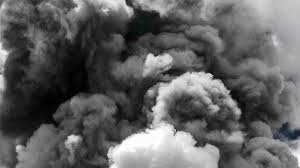
Smoke, known as “humo” in Spanish, is a complex mixture of gases, liquids, and solid particles produced during combustion. It is a phenomenon encountered in everyday life, from the aroma of cooking to wildfire plumes, and has both practical and scientific significance. Understanding smoke involves examining its formation, composition, types, effects, and applications across industries and culture.
The Formation of Smoke
Smoke forms when a material undergoes incomplete combustion. During this process, not all fuel molecules react fully with oxygen, resulting in the production of carbon particles, volatile compounds, and gases such as carbon dioxide, carbon monoxide, and water vapor. The density, color, and odor of smoke vary depending on the material being burned, the temperature of combustion, and the presence of moisture.
Incomplete combustion can occur in:
- Organic materials like wood, paper, and food
- Synthetic materials such as plastics and rubber
- Industrial processes producing particulate emissions
Factors influencing smoke formation include fuel type, temperature, oxygen availability, and airflow. Understanding these factors is critical for fire safety, environmental management, and industrial applications.
Composition of Smoke
Smoke is a mixture of various substances that can be divided into solid, liquid, and gaseous components.
Solid Particles
These include carbon, ash, soot, and unburned fuel particles. Solid particles contribute to the visible density and color of smoke. Soot, composed mainly of carbon, is particularly harmful to human respiratory systems and can deposit on surfaces, causing staining and structural damage.
Liquid Droplets
Liquid particles in smoke arise from vaporized water, oils, and other organic compounds that condense in the air. These droplets can carry chemicals, odors, and allergens, influencing both perception and health impact.
Gases
The gaseous component typically includes:
- Carbon dioxide (CO₂)
- Carbon monoxide (CO)
- Nitrogen oxides (NOx)
- Sulfur dioxide (SO₂)
- Volatile organic compounds (VOCs)
These gases can be toxic or flammable depending on concentration and exposure.
Types of Smoke
Smoke can be categorized based on its source, appearance, or chemical composition.
Wood Smoke
Produced from burning wood, this smoke contains particles from cellulose, lignin, and resin. Wood smoke is commonly associated with fireplaces, campfires, and industrial wood processing. Its composition varies with moisture content, wood type, and combustion temperature.
Tobacco Smoke
Generated from burning tobacco leaves, this smoke contains nicotine, tar, and thousands of chemicals, many of which are carcinogenic. Tobacco smoke is further divided into mainstream smoke (inhaled directly) and sidestream smoke (emitted from burning ends).
Industrial Smoke
Industrial combustion processes, including energy generation, manufacturing, and waste incineration, release smoke containing heavy metals, particulate matter, and chemical byproducts. Industrial smoke is regulated due to its environmental and health risks.
Wildfire Smoke
Wildfires produce large quantities of smoke with highly variable composition, depending on vegetation type and fire intensity. Wildfire smoke is a significant environmental and public health concern, affecting air quality across vast regions.
Cooking Smoke
Cooking, especially frying or grilling, produces smoke composed of oil droplets, water vapor, and aromatic compounds. The color and odor of cooking smoke can indicate food quality, temperature, and potential chemical reactions like Maillard browning.
Smoke Color and Meaning
The color of smoke provides information about combustion efficiency and material composition.
- White smoke: Often indicates water vapor or light, partially combusted material. Common in wood fires and cooking.
- Gray smoke: Suggests partial combustion with higher carbon content. Can contain soot and fine particulate matter.
- Black smoke: Indicates incomplete combustion of hydrocarbons. Highly dense with soot and potentially toxic compounds.
- Blue smoke: Usually associated with oil or chemical vapor. Often seen when burning fuel or cooking with high-fat content.
- Yellow or brown smoke: May indicate the presence of nitrogen or sulfur compounds, often seen in industrial processes.
Health Effects of Smoke
Smoke exposure can have both short-term and long-term health impacts. The severity depends on concentration, exposure duration, and particle size.
Respiratory Effects
Fine particles in smoke penetrate deep into the lungs, causing irritation, coughing, and increased risk of chronic conditions such as asthma and bronchitis.
Cardiovascular Impacts
Toxic gases in smoke can contribute to elevated blood pressure, heart rhythm disturbances, and long-term cardiovascular diseases.
Long-Term Risks
Chronic exposure to smoke, particularly from tobacco or industrial sources, increases the risk of lung cancer, cardiovascular disease, and immune system impairment.
Smoke Allergens
Some components of smoke, such as pollen, mold spores, and chemical residues, can trigger allergic reactions and exacerbate pre-existing respiratory conditions.
Environmental Impact of Smoke
Smoke has widespread environmental effects, particularly when it originates from wildfires, industrial processes, or urban air pollution.
- Air quality degradation: Smoke particles reduce visibility and increase pollution levels.
- Acid rain: Gases such as sulfur dioxide and nitrogen oxides contribute to acid precipitation.
- Climate influence: Black carbon in smoke absorbs sunlight and affects global temperature patterns.
- Ecosystem disruption: Smoke can alter photosynthesis, soil chemistry, and animal behavior.
Smoke Detection and Safety Measures
Smoke Detectors
Smoke detectors sense particles or heat and provide early warning of fire. Common types include ionization and photoelectric detectors. Proper placement and regular maintenance are essential for effective protection.
Fire Safety Practices
- Avoid indoor burning of organic waste without proper ventilation.
- Maintain chimneys and exhaust systems.
- Use fire-resistant materials where smoke exposure is likely.
Industrial Controls
- Use filters and scrubbers to reduce smoke emissions.
- Monitor air quality in occupational settings.
- Implement combustion efficiency improvements to minimize particulate release.
Smoke in Cooking and Food
Cooking smoke contributes to flavor, aroma, and visual appeal in many culinary traditions. Techniques such as smoking, grilling, and roasting rely on controlled smoke exposure to impart taste and texture. Smoke quality is influenced by:
- Type of wood or fuel used
- Fat content of food
- Cooking temperature
- Duration of smoke exposure
Cooking smoke also contains health considerations. Proper ventilation and minimizing direct inhalation reduce exposure to potentially harmful particles.