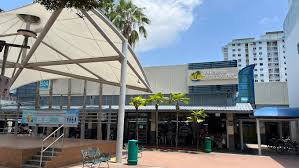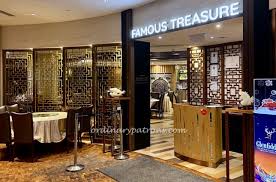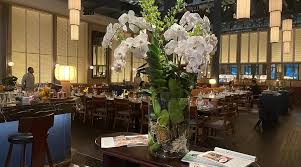
Jiak Kim House is a striking heritage dining destination located in Singapore. It is housed in a beautifully restored colonial warehouse that exudes charm, character and history. The venue is known for its unique blend of heritage architecture, modern dining experience, and vibrant atmosphere. Strategically positioned along the riverside, Jiak Kim House creates an unforgettable dining destination that balances the past with the present.
The restaurant has quickly become one of the most talked‑about destinations in Singapore for locals, expatriates, and tourists seeking delicious food in a memorable environment. But what truly sets Jiak Kim House apart is not just the quality of the cuisine — it is the story of resilience, restoration, design and culinary creativity that defines the space.
Heritage Building and Its Story
The Warehouse Legacy
Jiak Kim House sits within a conserved warehouse that dates back to Singapore’s early 20th century colonial era. This type of warehouse was originally used for storing goods and materials tied to trade and commerce along the Singapore River. Over time, as Singapore modernized, many such structures were demolished. What makes this site special is that it survived and was chosen to be restored rather than replaced.
The building retains many architectural features that reflect its original function: high ceilings, exposed steel trusses, large wooden doors, and thick brick walls. These design elements not only contribute to the space’s visual appeal but also honor the craftsmanship and engineering practices of the period.
Transformation From Industrial Use
The revitalization of Jiak Kim House is a perfect example of adaptive reuse. Rather than knocking down the old warehouse and constructing a new building, the architectural team chose to preserve its core form. Elements such as the original timber beams, rivets and columns were carefully restored and integrated with modern touches.
This adaptive reuse respects the heritage value of the site and allows visitors to literally dine inside history. The space retains a sense of rugged authenticity even as it delivers a refined hospitality experience. This restoration approach reinforces the value of conserving historical buildings in rapidly modernizing cities.
A Dining Experience That Melds Tradition with Innovation
Culinary Philosophy
The cuisine at Jiak Kim House is rooted in modern Asian gastronomy. Chefs fuse traditional concepts with contemporary techniques, resulting in dishes that are both familiar and exciting. Rather than copying classic recipes verbatim, the kitchen team experiments with unexpected flavor combinations and creative presentations.
The menu changes periodically to reflect seasonal availability and changing inspiration. But even as the menu evolves, there is a consistent focus on bold flavors, thoughtful ingredient sourcing, and beautiful plating. This creates a dining experience that impresses both the palate and the eye.
Signature Dishes
Signature dishes are designed to showcase a balance of texture, depth, and cultural influence. For example:
- A reinterpretation of classic hawker favorites with haute cuisine touches.
- Seafood prepared using modern techniques while still maintaining familiar Asian flavor profiles.
- Desserts that take inspiration from traditional sweets but reinvent them for a contemporary audience.
Every dish is crafted to tell a story — of place, of technique, and of heritage.
Interior Design and Visual Identity
Spatial Layout and Ambience
The interior of Jiak Kim House is carefully composed to evoke heritage and warmth. High ceilings create an expansive feel, while large windows bring in abundant natural light. Materials like exposed brick, rustic wood, and subtle metalwork create a harmonious fusion of old and new.
Seating is arranged to offer both communal and intimate dining options, allowing flexibility for different types of gatherings — whether it’s a casual lunch, romantic dinner, or celebratory event. The dining space also flows naturally into outdoor seating by the riverside, offering a serene backdrop and soft breezes.
The overall design language emphasizes texture, warmth, and authenticity. There is a deliberate avoidance of overly flashy elements, ensuring that the heritage features remain central to the space’s character.
Accent Details
Interior accents such as soft lighting, curated art pieces, and curated planter elements further refine the visual experience. There is a subtle interplay between industrial elements (like steel supports and exposed trusses) with fine details (such as custom furniture and bespoke lighting fixtures). This layered design sensibility makes every corner of the space visually intriguing without feeling cluttered.
Sensory Experience Beyond the Plate
Sound and Atmosphere
The sensory experience at Jiak Kim House goes beyond visual appeal. Acoustic design plays a role in crafting the mood of the space. Careful attention has been paid to how sound travels within the dining hall, ensuring that the environment remains lively but not overwhelming. The combination of soft background music, the hum of conversation, and natural sounds from the riverside creates a vibrant yet comfortable ambiance.
Olfactory Elements
Terrazzo, aged wood, and the scent of freshly prepared dishes contribute to a distinctive olfactory profile. The aroma of spices, herbs and grilling ingredients greets guests even before they are seated — stimulating anticipation and appetite.
Accessible Yet Refined
A unique strength of Jiak Kim House is its ability to appeal to a wide range of diners. The dining experience strikes a balance between casual and formal. It is accessible enough for a spontaneous lunch or casual meet‑up, yet refined enough for special dinners and celebrations.
The service style supports this duality. Staff are attentive and knowledgeable about the menu, without being stiff or distant. Interaction with diners feels friendly and professional, adding to the overall positive impression that guests take home.
What Makes It Relevant Today
Cultural Resonance
In a world where many heritage buildings are lost to redevelopment, Jiak Kim House stands as a testament to the power of conservation. It shows how historical sites can be repurposed to create meaningful, vibrant spaces that serve contemporary needs without erasing the past.
It also resonates with locals and visitors alike, because it embodies a sense of place — a connection to the unique cultural, social and economic history of Singapore. The venue does not feel generic or transplanted; it feels deeply rooted in its context.
Culinary Narrative
Another reason Jiak Kim House remains relevant is its culinary narrative. Diners today are not just hungry for food — they want stories, experiences, and meaning. They want to know where ingredients come from, why a dish tastes the way it does, and how a meal connects to broader culture.
By crafting a menu that reflects heritage, creativity and cultural expression, Jiak Kim House meets this demand and stands out in a competitive dining landscape.
How Jiak Kim House Compares to Other Destinations
Compared to typical fine dining restaurants, Jiak Kim House is more relaxed and expressive. Compared to casual cafés and hawker stalls, it offers higher culinary craftsmanship and elevated presentation. It bridges multiple categories — heritage, fine dining, casual hospitality — in a way that feels cohesive rather than scattered.
This versatility is part of its success. Diners can visit for different occasions and feel equally comfortable whether they are there for a short meal or an extended dining experience.
Final Thoughts
Jiak Kim House represents more than just a restaurant. It represents heritage preserved and heritage enjoyed. Its beautifully restored architecture, innovative cuisine, and immersive atmosphere combine to create a compelling dining destination that appeals to a broad audience.
What truly makes Jiak Kim House special is its ability to connect past and present — through space, through food, and through lived experiences. It is a space where history is not only preserved but actively celebrated.