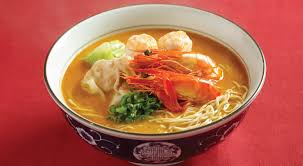
Shrimp broth is a delicacy that has fascinated food enthusiasts across the globe. This rich, savory broth forms the base of many culinary creations, particularly in Asian cuisine. Its flavor is deeply umami, slightly sweet, and possesses a natural marine essence that makes dishes unique and memorable. The creation of shrimp broth involves slow simmering of shrimp shells, heads, and sometimes whole shrimp with aromatics such as garlic, onion, and herbs to extract the full depth of flavor.
Innovative concepts like specialized ramen bars have taken shrimp broth to new heights, showcasing its versatility and appeal. These establishments not only focus on flavor but also on presentation, texture, and aroma, creating an immersive dining experience. The evolution of shrimp-based broths in modern gastronomy reflects both a respect for traditional methods and an eagerness to experiment with new ingredients and techniques.
Understanding the Components of Shrimp Broth
The Role of Shrimp
The shrimp forms the backbone of the broth. Shells, heads, and tails contain essential flavors and compounds such as amino acids and natural salts that contribute to the savory depth. Fresh, high-quality shrimp is crucial for a clean and potent flavor. Wild-caught shrimp can offer a more complex flavor compared to farmed options, though sustainable sourcing is also a consideration in modern kitchens.
Aromatics and Vegetables
Onions, garlic, celery, carrots, and sometimes leeks are simmered alongside the shrimp to enhance complexity. Each ingredient contributes specific flavor notes; for example, garlic adds pungency and warmth, while celery provides an earthy undertone. Herbs such as bay leaves, thyme, and parsley complement the marine flavors and create a balanced broth.
Spices and Flavor Enhancers
Peppercorns, star anise, and fennel seeds are commonly added for depth and aromatic richness. Some chefs also incorporate mild chili, ginger, or lemongrass to introduce layers of heat or citrus freshness. Flavor enhancers like fish sauce or a splash of soy sauce can heighten umami without overpowering the natural shrimp essence.
Liquid Base and Cooking Techniques
Water is the primary liquid, but some chefs use a combination of water and white wine or sake to add complexity. The key is low-and-slow simmering, which ensures flavors are extracted without bitterness. Skimming the foam and impurities during cooking is essential to maintain clarity and a clean taste.
Step-by-Step Preparation of Shrimp Broth
- Preparation of Shrimp: Wash and clean the shrimp thoroughly. Peel if necessary and retain shells and heads for maximum flavor extraction.
- Sauté Aromatics: Lightly sauté onions, garlic, and celery in a small amount of oil until fragrant.
- Combine Ingredients: Add shrimp shells, heads, and any additional aromatics to a large pot.
- Add Liquid: Pour in water or water-wine mixture until all ingredients are submerged.
- Simmer: Bring to a boil and then reduce to a low simmer. Cook for 45–60 minutes.
- Strain and Refine: Strain the broth using a fine mesh sieve or cheesecloth. Optionally, reduce further for concentrated flavor.
- Adjust Seasoning: Taste and adjust with salt, pepper, or a small amount of umami enhancers.
Culinary Applications of Shrimp Broth
Ramen and Noodle Dishes
Shrimp broth is a popular base for ramen and other noodle dishes. It pairs excellently with thin wheat noodles, thick chewy udon, or delicate rice noodles. Chefs often enhance the broth with miso, soy sauce, or a touch of cream to balance the natural sweetness of shrimp.
Seafood Stews and Soups
The umami-rich broth elevates seafood stews, bisques, and chowders. Ingredients like clams, mussels, scallops, and fish fillets absorb the depth of flavor, creating a harmonious seafood medley.
Risotto and Rice Dishes
Shrimp broth can be used as a cooking liquid for risottos and pilafs, infusing the rice with a subtle marine flavor. It complements ingredients like saffron, Parmesan cheese, and fresh herbs.
Sauces and Reductions
Reducing shrimp broth concentrates flavors for sauces that accompany grilled or pan-seared seafood. Incorporating butter or cream creates velvety textures that enhance the richness.
Flavor Profiles and Pairing Techniques
Shrimp broth is inherently sweet, salty, and umami. Understanding complementary flavors can elevate a dish:
- Citrus: Lime, lemon, or yuzu can brighten the broth and counterbalance richness.
- Spices: White pepper, ginger, and mild chili can add warmth and complexity.
- Herbs: Cilantro, parsley, and chives offer freshness.
- Proteins: Seafood, tofu, and even chicken can benefit from the layered flavors.
Pairing with starches like noodles, rice, or bread ensures the broth is absorbed and enjoyed in every bite.
Modern Innovations and Techniques
Infused Oils and Garnishes
Chefs often finish shrimp-based dishes with infused oils such as chili oil, garlic oil, or herb oil to add aromatic intensity. Garnishes like fried shallots, microgreens, or nori enhance visual appeal and texture contrast.
Sous Vide Extraction
Some modern kitchens use sous vide techniques for aromatics and shrimp shells, allowing precise control over flavor extraction without overcooking.
Foam and Emulsion Techniques
Shrimp broths can be transformed into delicate foams or emulsions, offering a contemporary twist that adds mouthfeel and artistic plating possibilities.
Health and Nutritional Aspects
Shrimp broth is low in calories but rich in minerals like iodine, magnesium, and phosphorus. The slow-cooking method preserves amino acids and collagen from shells, which can contribute to joint and skin health. Avoiding excessive salt or MSG ensures the broth remains a nutritious base for meals.
Regional Variations of Shrimp Broth
Japanese Style
Japanese shrimp broth often focuses on clarity and subtle umami. Kombu, dried shrimp, and mirin may be added for depth, keeping the taste delicate yet layered.
Chinese Style
Chinese shrimp broth can include ginger, scallions, and light soy sauce. It is frequently used in noodle soups or seafood congee, balancing warmth with sweetness.
Southeast Asian Style
In Thailand, Malaysia, and Singapore, shrimp broths incorporate lemongrass, kaffir lime leaves, and chili for vibrant, aromatic profiles. Coconut milk or tamarind may be added for creamy or tangy variations.
Tips for Home Cooks
- Freshness Matters: Always use fresh or properly frozen shrimp to avoid off-flavors.
- Layered Aromatics: Adding aromatics in stages can build depth.
- Monitor Heat: High heat can create bitterness; low simmering preserves sweetness.
- Strain Thoroughly: Removing shells and particles results in a clean, smooth broth.
- Adjust Seasoning Last: Salt and umami enhancers should be added after cooking to prevent over-concentration.
Comparative Analysis with Other Broths
Shrimp broth differs from chicken, pork, or vegetable broths in several key ways:
- Umami Intensity: Shrimp naturally has higher umami levels.
- Sweetness: Slight natural sweetness compared to meat-based broths.
- Aroma: Marine aroma is distinct and cannot be replicated by other proteins.
- Color: Often light pinkish-orange, especially after simmering with shells.
Using shrimp broth instead of other broths can completely change the character of a dish, offering unique taste experiences.
Shrimp Broth in Gourmet and Street Food
Gourmet Applications
High-end restaurants use shrimp broth for sophisticated dishes such as lobster-shrimp bisques, layered seafood ramen, and seafood risottos. The focus is on refinement, texture, and flavor clarity.
Street Food Adaptations
Shrimp broth also appears in casual settings, especially in noodle stalls and seafood markets. Simplified versions still retain the essence but may incorporate instant noodles or local spices for convenience.
Sustainability Considerations
Sourcing shrimp responsibly is essential. Overfishing and unsustainable aquaculture practices impact ocean ecosystems. Chefs and home cooks should prioritize certified sustainable shrimp and consider using leftover shells and heads to minimize waste while maximizing flavor.
Serving and Presentation Techniques
- Layering: Place noodles, vegetables, and proteins strategically before pouring the broth to maintain texture.
- Color Contrast: Use garnishes like red chili, green herbs, and yellow egg yolks.
- Temperature: Serve piping hot to ensure aroma is fully appreciated.
- Utensils: In ramen, a wide spoon and chopsticks enhance the tasting experience.
Troubleshooting Common Issues
- Cloudy Broth: Caused by boiling too rapidly; reduce heat.
- Bitter Flavor: Overcooked shells or burnt aromatics; remove from heat promptly.
- Weak Taste: Insufficient simmering or too few shells; concentrate by reducing broth.
- Over-Salted: Adjust with water or unsalted broth for balance.
Advanced Techniques for Flavor Enhancement
- Caramelizing Shells: Lightly roast shrimp shells for deeper, roasted flavors.
- Layered Infusions: Introduce additional aromatics mid-simmer to add fresh notes.
- Deglazing: After sautéing aromatics, deglaze with wine or sake to capture all flavors.
- Double Extraction: Simmer shells once for clear broth, then reuse for a second batch to intensify flavor.
Pairing Shrimp Broth with Complementary Ingredients
- Vegetables: Mushrooms, bok choy, bean sprouts, and zucchini.
- Proteins: Shrimp, scallops, tofu, fish, or even lightly poached chicken.
- Noodles: Udon, soba, ramen, rice noodles, or glass noodles.
- Spices: Mild chili, black or white pepper, ginger.
- Acids: Lime juice, rice vinegar, or yuzu for balance.
Storing and Reusing Shrimp Broth
- Refrigeration: Up to 3 days in airtight containers.
- Freezing: Up to 3 months; use ice cube trays for small portions.
- Reheating: Gently on low heat to prevent flavor loss.
- Reduction: Concentrate frozen portions by simmering to create a flavor base for sauces.
Shrimp Broth as a Culinary Canvas
Chefs view shrimp broth not just as a base but as a foundation for creativity:
- Combining with other proteins for fusion dishes.
- Infusing with herbs and spices for signature flavors.
- Using as a poaching liquid for delicate seafood.
- Crafting emulsions, foams, and reductions for modernist presentations.
This versatili