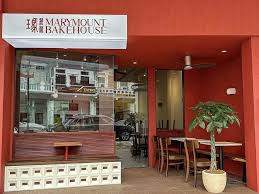
Marymount Bakehouse is a celebrated artisanal bakery in Singapore, renowned for its commitment to sourdough craft and innovative baked offerings. Established with a vision to bring high-quality, handmade bread and pastries to the local community, the bakery has become synonymous with consistency, flavor, and an inviting café experience. The founder’s passion for baking and the desire to innovate within the artisanal space is evident in every product they offer.
The journey of Marymount Bakehouse began with humble roots, starting from home-based experimentation with dough and fermentation. Over time, the commitment to quality, use of premium ingredients, and mastery over sourdough techniques propelled the bakery into a fully operational storefront. The philosophy behind the brand emphasizes natural ingredients, traditional fermentation, and a dedication to producing bread that resonates with both flavor and texture. This foundation has allowed the bakehouse to maintain its reputation and appeal to a growing community of food enthusiasts and loyal patrons.
The Ambience and Café Experience
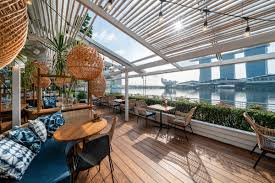
Stepping into Marymount Bakehouse offers more than just a visit for baked goods—it is a full sensory experience. The interior is thoughtfully designed to create a warm and welcoming environment. Wooden textures, soft lighting, and minimalist décor allow the focus to remain on the food while providing a comfortable atmosphere for diners. The seating arrangement is designed to encourage social interactions while also accommodating those seeking a quiet space for reading or work.
The café emphasizes cleanliness and a clutter-free environment. Each table is carefully spaced to provide privacy without feeling isolated, creating a balanced social dynamic. Additionally, the ambient music selection enhances the experience without overpowering conversation, and the overall scent of freshly baked bread fills the space, adding an aromatic dimension to the visit.
Signature Products and Menu Highlights
Marymount Bakehouse offers a diverse menu that combines traditional baked goods with innovative creations. The focus remains on sourdough bread, which is crafted with meticulous attention to fermentation and baking techniques. Key offerings include:
- Classic Sourdough Loaf: Known for its perfect crust-to-crumb ratio, slightly tangy flavor, and airy texture. Ideal for both casual consumption and as a base for gourmet sandwiches.
- Specialty Breads: Including multigrain, rye, and olive-infused varieties. Each type is prepared with unique fermentation processes to enhance flavor complexity.
- Pastries and Tarts: The bakery produces croissants, Danish pastries, and seasonal tarts, each baked fresh daily. Ingredients are sourced for quality, and the fillings balance sweetness with texture.
- Savory Options: Pies, quiches, and artisan sandwiches cater to patrons seeking lunch options, maintaining the artisanal standard throughout.
- Seasonal Creations: Marymount Bakehouse frequently updates its menu with seasonal ingredients, offering limited-time products that reflect both global culinary trends and local tastes.
The Art and Science of Sourdough
Sourdough bread is the centerpiece of Marymount Bakehouse’s offerings, and understanding the craft behind it reveals the depth of expertise required. The process begins with a carefully maintained starter, which is a living culture of wild yeast and lactic acid bacteria. This starter is the heart of flavor development and gives sourdough its signature tang.
The dough undergoes a lengthy fermentation period, often including multiple stages of bulk fermentation and folding. This process develops gluten structure and allows the natural flavors to mature. Temperature, humidity, and hydration levels are meticulously monitored to ensure consistency. The final baking stage involves precise control of oven temperature and steam injection to achieve a crust that is crisp yet delicate, encasing a soft, airy interior.
Beyond technical precision, the bakery emphasizes sensory evaluation—judging the dough by touch, elasticity, and aroma throughout the preparation. This combination of art and science results in bread that is both technically proficient and highly enjoyable to eat.
Baking Techniques and Innovation
Marymount Bakehouse continuously explores innovative techniques while honoring traditional baking methods. The team experiments with new flour blends, fermentation methods, and flavor pairings to create products that are unique yet accessible. Innovations include:
- Long Fermentation Loaves: Extending fermentation for 24-48 hours to enhance depth of flavor.
- Infused Breads: Incorporating herbs, spices, and unique seeds for complex taste profiles.
- Hybrid Pastries: Combining French techniques with local ingredients, producing items like pandan croissants or kaya-filled Danish pastries.
- Temperature-Controlled Proofing: Utilizing modern proofing equipment to maintain consistency across batches, especially for high-demand products.
Customer Experience and Engagement
Marymount Bakehouse places significant emphasis on the customer experience beyond just food quality. The bakery engages its community through various strategies:
- Social Media Interaction: Regular updates on Instagram and Facebook showcase new products, behind-the-scenes content, and seasonal promotions. Customer interactions through comments and direct messages are actively managed to foster loyalty.
- Tasting Events and Workshops: Occasionally hosting events where patrons can learn about sourdough techniques or sample limited-edition items.
- Feedback Integration: Customer feedback is taken seriously, with adjustments to product offerings, service flow, and ambiance based on regular input.
- Loyalty Programs: Offering incentives for repeat visits and special rewards for long-term patrons.
Menu Evolution and Seasonal Strategies
The menu at Marymount Bakehouse is dynamic, evolving with seasonal trends and customer preferences. Seasonal ingredients are sourced from local suppliers where possible, ensuring freshness and relevance. Examples include:
- Summer Selections: Lighter pastries with fruit-based fillings, iced drinks, and chilled savory items.
- Autumn/Winter Offerings: Heavier breads with nuts, seeds, and rich pastries that cater to the festive period.
- Holiday Specials: Items created for holidays such as Christmas, Chinese New Year, or local festivals, often in limited quantities to maintain exclusivity.
This strategy not only encourages repeat visits but also showcases the bakery’s adaptability and commitment to variety.
Comparative Positioning in Singapore’s Bakery Scene
Singapore is home to a thriving artisanal bakery culture, with numerous competitors offering premium breads and pastries. Marymount Bakehouse differentiates itself through:
- Sourdough Specialization: While many bakeries offer bread, few emphasize traditional sourdough techniques to the same depth.
- Menu Innovation: Seasonal and hybrid products set it apart from bakeries with more static offerings.
- Café Experience: A carefully curated environment that blends casual dining with artisanal shopping.
- Community Engagement: Active presence on social media and interactive events enhances the brand’s personal touch.
Marketing Strategies and Brand Presence
The bakery employs a mix of traditional and digital marketing strategies:
- Online Visibility: Maintaining updated Google Business listings, engaging website content, and social media presence.
- Influencer Collaborations: Partnering with local food bloggers and lifestyle influencers to expand reach.
- Email Marketing: Regular newsletters informing subscribers of new products, events, and promotions.
- Visual Branding: Consistent photography style, color palette, and packaging design reinforce brand recognition.
Sustainability and Ethical Practices
Marymount Bakehouse integrates sustainability in several ways:
- Ingredient Sourcing: Prioritizing local and ethically sourced ingredients to reduce carbon footprint and support local producers.
- Waste Management: Implementing measures to minimize food waste, including donating unsold items and composting organic waste.
- Packaging: Using recyclable or biodegradable packaging materials to align with environmentally conscious practices.
Visual Storytelling and Presentation
Visual presentation is a critical component of the Marymount Bakehouse experience. Key elements include:
- Product Photography: Professional photos highlighting texture, color, and craftsmanship.
- In-Café Visuals: Display shelves and presentation of baked goods enhance appeal and inform purchase decisions.
- Social Media Imagery: Behind-the-scenes photos, preparation videos, and interactive content engage followers and build anticipation.
Customer Profiles and Demographics
Marymount Bakehouse attracts a diverse clientele including:
- Food Enthusiasts: Patrons seeking unique flavors and artisanal quality.
- Families: Looking for a cozy environment and quality pastries for children.
- Young Professionals: Frequent café-goers combining work, socializing, and leisure.
- Tourists: Drawn by reputation and search for local artisanal experiences.
Understanding these segments allows the bakery to tailor product offerings, marketing messaging, and service approaches to meet distinct needs.
Community and Cultural Impact
Beyond its products, Marymount Bakehouse plays a role in the local community:
- Supporting Local Suppliers: Collaborating with nearby farms and producers.
- Culinary Education: Offering workshops that teach baking skills and sourdough knowledge.
- Cultural Integration: Incorporating local flavors into offerings, reflecting Singapore’s multicultural culinary landscape.
Operational Excellence and Quality Assurance
Consistency and quality are maintained through rigorous operational standards:
- Standardized Recipes: Detailed procedures for each product ensure uniformity across batches.
- Staff Training: Comprehensive training programs in baking techniques, customer service, and hygiene standards.
- Equipment Maintenance: Regular calibration and upkeep of ovens, proofing units, and other critical baking equipment.
- Quality Checks: Continuous evaluation of texture, taste, and presentation before products reach custo