New Lucky Claypot Rice is more than just a dish — it’s a culinary tradition that captures the heart of Singapore’s hawker culture. Renowned for its smoky aroma, charcoal‑kissed rice, and perfectly seasoned toppings, this humble stall has become a must‑visit for food lovers from all walks of life. In this guide, you’ll discover the story behind the dish, the science of charcoal claypot cooking, how to order like a pro, and why it remains beloved both locally and internationally.
What Makes Claypot Rice Special
Claypot rice has roots in southern China, especially Guangdong, where cooking over coals was the traditional way to prepare rice before modern gas stoves. What distinguishes claypot rice from regular steamed rice is:
- Texture contrast: soft, fluffy rice on top with crisp, caramelized rice at the bottom.
- Smoky flavor: slow cooking over charcoal infuses the grains with a subtle smokiness that can’t be replicated by gas.
- Layered seasoning: soy sauce, rendered fat, and aromatics mingle throughout the rice for complexity.
At New Lucky, these characteristics are celebrated rather than diluted — the cooking technique is traditional, and every order is prepared from scratch.
History and Heritage: A Dish Rooted in Tradition
While many claypot rice stalls have come and gone, New Lucky has persevered by staying true to time‑tested methods. The name “New Lucky” might suggest modern branding, but the approach is far from a gimmick. This stall continues the age‑old tradition of cooking over real charcoal fire, a rarity in today’s fast‑paced hawker environment.
Charcoal cooking adds labor and time, but the payoff is unmistakable: distinct texture, depth of flavor, and the emotional pull of tasting something truly authentic.
The Charcoal Advantage: Why It Matters
To understand why New Lucky’s version stands out, it helps to break down what charcoal does:
- Even heat distribution: Claypots heated by charcoal maintain high, consistent temperatures, which help develop that prized “socarrat” — the crunchy rice crust.
- Moisture retention: Unlike direct flame or electric heat, charcoal creates a gentler environment that steams the rice from within while crisping the bottom.
- Flavor absorption: Charcoal produces aromatic compounds that are absorbed into the rice, giving a light smokiness without overpowering the toppings.
These processes cannot be duplicated in a typical kitchen, which is why true claypot rice remains a hawker specialty.
Core Ingredients and Their Roles
At the heart of New Lucky’s claypot rice are a few key ingredients that come together in a balance of flavor and texture:
Rice
Short‑grain or medium‑grain rice is preferred for its ability to absorb liquid while maintaining individual texture. Too soft, and it turns mushy; too dry, and it never reaches the signature crunch.
Chicken
Fresh chicken pieces, usually thigh or drumstick cuts, are marinated lightly and layered into the pot. Their natural fats melt into the rice, enriching every grain.
Chinese Sausage (Lap Cheong)
Lap cheong adds sweetness, umami, and texture contrast. Its rendered oils perfuse the rice during cooking.
Salted Fish
Optional but treasured by many devotees, salted fish adds an intense savory punch. Its saltiness is balanced by the neutral rice and sweeter sausages.
Soy Seasoning
A special soy blend is drizzled before and after cooking to enhance depth. At New Lucky, the ratio is calibrated so that rice isn’t overly salty, allowing the natural aromas to shine.
Ordering Guide: Tips for Best Experience
New Lucky is famous, and that means queues and demand. Here’s how to order like someone who knows what they’re doing:
- Choose your size wisely: Portions range from single to family. If you’re unsure, ask staff for recommendations based on hunger level.
- Specify toppings: Chicken and sausage are standard. Salted fish is optional but highly recommended for flavor seekers.
- Ask about waiting time: Claypot cooking takes time — patience pays off with superior texture.
- Request extra soy: Some like it richer — a light extra drizzle can intensify the savory base.
When your claypot arrives, don’t stir immediately. Let the steam settle for a couple of minutes to preserve the crisp base layer.
How to Eat Claypot Rice: Techniques That Elevate the Dish
Once served, claypot rice calls for a slightly different eating approach to fully appreciate its layers:
- Break the crust lightly: Use your spoon to gently scrape the bottom to release some of the crunchy rice.
- Mix toppings strategically: Fold chicken and sausage into the rice gradually instead of all at once to savor each bite.
- Pair with sides: Pickled greens or light soups complement the richness and help balance the meal.
Savoury, textural contrasts are what make claypot rice so addictive — don’t rush.
Comparing New Lucky to Other Claypot Rice Spots
While many stalls sell claypot rice, New Lucky distinguishes itself in a few key areas:
Consistency
Some vendors produce uneven results because they cut corners by using gas or reheated claypots. New Lucky’s charcoal method delivers consistency in texture and taste.
Ingredient Quality
Tangible freshness and intact cuts of chicken and high‑quality sausages separate New Lucky from stalls that use frozen or overprocessed ingredients.
Portion Balance
Well‑calibrated ratios ensure that neither rice nor toppings dominate the experience.
In contrast, other stalls might offer novelty twists — salted egg yolk versions, truffle oil additions — but these can distract from the purity of the classic preparation.
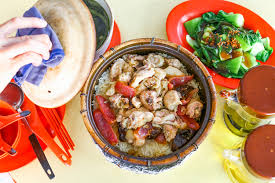
Visual Experience: What to Expect
Visual appeal is part of the claypot rice draw. At New Lucky, you’ll see:
- Steaming claypot emerging from charcoal embers
- Rice grains glistening with rendered fat
- Golden crispy bottom crust
- Vibrant pinkish‑red sausage slices
- Lightly browned chicken edges
These visual cues signal the sensory experience to come.
Flavor Profile Breakdown
Understanding the flavor components helps you appreciate why claypot rice is beloved:
- Smokiness: Subtle yet clear, not overpowering.
- Umami: From soy, chicken fats, and sausage oils.
- Sweetness: Balanced from lap cheong.
- Saltiness: Controlled — never sharp.
The interplay of these elements makes claypot rice a complete sensory experience rather than a single‑note dish.
Why Locals and Travelers Love It
Local foodies treasure New Lucky not just for the taste but for what it represents — heritage, craft, and patience. Travelers praise it as an authentic hawker experience: traditional technique, real fire, and genuine flavor.
It’s comfort food with a backstory, and every bite carries the weight of that tradition.
Common Myths and Misunderstandings
Myth: Charcoal Means Burnt Taste
Reality: Proper charcoal claypot rice is smoky, not burnt. Controlled heat prevents bitterness.
Myth: More Soy Equals Better Flavor
Reality: Too much soy can mask the natural aromas and saturate the rice. Balance is crucial.
Myth: Crispy Base Means Overcooked
Reality: The crust is intentional — the prized “socarrat” layer that adds texture and depth.
Final Thoughts: What Sets New Lucky Apart
New Lucky Claypot Rice succeeds because it doesn’t chase trends. It focuses on mastering the essentials:
- Authentic charcoal cooking
- Fresh, quality ingredients
- Balanced seasoning
- Texture contrast
- Respect for tradition
This focus makes it more than just another hawker stall — it’s a living example of culinary heritage done right.