Raffles Place stands as one of the most dynamic dining districts in Singapore where business energy meets culinary diversity. Located within the heart of Singapore’s financial center, Raffles Place represents far more than a workplace hub. It operates as a living food ecosystem shaped by corporate schedules, international travelers, local professionals, and evolving dining trends. Restaurants in this district are not simply places to eat but carefully designed experiences built around efficiency, prestige, comfort, networking, and lifestyle balance. Every street corner, underground mall, office tower, and waterfront promenade contributes to a layered dining culture that transforms throughout the day. Morning coffee crowds, lunch-hour rushes, afternoon business meetings, sunset dining sessions, and late evening gatherings all redefine how restaurants function within this compact yet powerful urban zone.
Understanding the Dining Identity of Raffles Place
Dining in Raffles Place follows patterns very different from residential neighborhoods or tourist-heavy districts. Restaurants here respond directly to professional routines. Speed, accessibility, reservation efficiency, and consistency determine restaurant success more than novelty alone. The surrounding skyline filled with multinational offices ensures that thousands of professionals seek meals within limited time windows, creating one of the most competitive restaurant environments in Singapore. Establishments must deliver fast lunch service without compromising quality while also transforming into relaxed dinner venues once office hours end. This dual identity allows restaurants to operate as business lunch hubs during daytime and premium social spaces after sunset.
Geographic Layout and Restaurant Distribution
The restaurant landscape across Raffles Place spreads across interconnected commercial zones that influence dining decisions. Areas surrounding One Raffles Place feature quick-service dining options ideal for short lunch breaks, while waterfront stretches near Marina Bay host upscale venues offering skyline views. Underground retail corridors connected to MRT access points provide weather-protected dining routes that remain busy during rainy afternoons or peak heat conditions. These interconnected pathways allow professionals to move efficiently between offices and restaurants without disrupting schedules, making accessibility one of the defining characteristics of successful eateries in the district.
Morning Dining Culture and Coffee Scene
The morning dining atmosphere begins early as financial institutions and corporate offices open operations. Cafés and breakfast restaurants cater to professionals seeking quick caffeine service combined with light meals. High demand for takeaway breakfast options encourages streamlined menus featuring pastries, sandwiches, and specialty coffee blends. Morning venues prioritize queue management and fast payment systems, ensuring customers can enter and exit within minutes. The breakfast crowd often overlaps with informal meetings, turning cafés into early networking environments where conversations begin before formal work hours commence.
The Lunch Hour Phenomenon
Lunch in Raffles Place operates with remarkable intensity. Between noon and early afternoon, restaurants experience peak demand unmatched in most parts of the city. Professionals typically have limited time windows, making restaurant selection dependent on service speed and seating availability. Successful restaurants design lunch menus specifically engineered for efficiency. Pre-set meals, express counters, and optimized kitchen workflows help reduce waiting times while maintaining culinary standards. Dining decisions during this period often revolve around practicality rather than experimentation, encouraging repeat visits to reliable establishments.
Business Lunch Dining Strategies
Corporate culture strongly influences restaurant design across the district. Business lunches require environments that balance professionalism with comfort. Restaurants offering moderate noise levels, spacious seating arrangements, and attentive service become preferred venues for meetings and negotiations. Menu structures often include shareable dishes and balanced pricing tiers suitable for company expense policies. Presentation quality plays an important role, as dining experiences frequently reflect corporate hospitality standards.
International Cuisine Diversity
Raffles Place restaurants represent global culinary influences reflecting Singapore’s multicultural identity. Japanese dining concepts remain particularly popular due to their compatibility with quick lunches and refined dinners. Italian establishments provide relaxed yet sophisticated environments suitable for extended conversations. Asian fusion restaurants combine traditional flavors with modern presentation techniques, appealing to both local professionals and international visitors. Western grills, seafood restaurants, and contemporary bistros further expand dining choices, ensuring every preference finds representation within walking distance.
Japanese Dining Influence in the District
Japanese cuisine maintains a strong presence due to efficiency and precision associated with its culinary style. Sushi bars, ramen outlets, and katsu-focused restaurants attract office workers seeking dependable meals prepared quickly without sacrificing quality. Bento-style lunches align perfectly with time-conscious diners while omakase experiences transition seamlessly into premium evening dining. The balance between casual accessibility and fine dining sophistication allows Japanese restaurants to serve multiple audience segments simultaneously.
Italian and European Restaurant Appeal
Italian restaurants play a major role in shaping social dining experiences within Raffles Place. Pasta dishes, wood-fired pizzas, and wine pairings encourage longer stays, making these venues ideal for team gatherings and client dinners. European-inspired bistros emphasize ambiance through lighting design, interior aesthetics, and curated menus that create a relaxed escape from corporate intensity. These restaurants often become evening destinations once office workers shift from professional responsibilities toward social interaction.
Asian Fusion and Contemporary Dining Trends
Modern dining concepts increasingly blend regional Asian flavors with international techniques. Chefs experiment with reinterpretations of traditional dishes while maintaining accessibility for busy professionals. Fusion restaurants attract diners seeking variety without committing to formal fine dining experiences. Creative plating and seasonal menu changes introduce novelty into an environment otherwise dominated by routine work schedules.
Affordable Dining and Hidden Food Options
While premium restaurants dominate public perception, Raffles Place also contains numerous budget-friendly dining opportunities. Underground food courts and nearby hawker-style centers provide affordable meals popular among daily office workers. These establishments focus on volume efficiency and authentic flavors rather than elaborate presentation. Affordable dining options ensure inclusivity within the district, allowing individuals across income levels to participate in its food culture.
After Work Dining Transformation
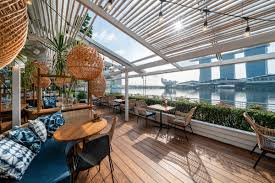
As evening approaches, Raffles Place undergoes a noticeable transformation. Restaurants shift lighting, menu emphasis, and service pacing to accommodate relaxed dining. Corporate attire remains common, but the atmosphere becomes more social and conversational. After-work gatherings encourage shared dishes, cocktails, and extended dining sessions. Waterfront venues overlooking Marina Bay become particularly attractive during sunset hours, offering visual experiences that complement culinary offerings.
Fine Dining Experiences and Premium Restaurants
High-end restaurants within the district cater to executive clientele and special occasions. These venues emphasize refined interiors, curated tasting menus, and personalized service. Fine dining establishments frequently attract international business travelers seeking memorable experiences close to financial institutions and luxury hotels. Attention to detail in plating, ingredient sourcing, and wine selection differentiates premium venues from casual dining alternatives.
Solo Dining Culture in the Financial District
Solo dining remains common due to professional schedules and independent work routines. Restaurants increasingly design counter seating and compact table layouts that accommodate individuals comfortably. Efficient service allows solo diners to complete meals quickly while still enjoying quality cuisine. This growing segment influences menu design and seating arrangements across many establishments.
Restaurant Design and Interior Trends
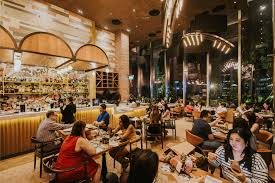
Interior architecture plays a significant role in restaurant success. Modern establishments integrate minimalist aesthetics, natural materials, and strategic lighting to create calm environments within a busy business district. Open kitchens enhance transparency while reinforcing perceptions of freshness and craftsmanship. Comfortable seating encourages repeat visits by balancing elegance with practicality.
Technology Integration in Dining
Digital innovation significantly impacts restaurant operations in Raffles Place. Online reservations, QR-based ordering systems, and mobile payment solutions reduce waiting times and improve customer flow. Restaurants leveraging technology effectively manage peak-hour demand while maintaining service consistency. Data-driven menu optimization helps establishments understand customer preferences and adjust offerings accordingly.
Seasonal Dining Patterns
Dining behavior changes throughout the year depending on corporate activity cycles, tourism trends, and festive seasons. Year-end corporate celebrations increase demand for group dining venues, while quieter periods encourage promotional menus and lunch deals. Seasonal ingredient availability also influences menu rotations, allowing chefs to introduce fresh culinary concepts regularly.
Health Conscious Dining Movement
Growing awareness of wellness encourages restaurants to include healthier menu options. Salad bars, plant-based dishes, and balanced meal combinations appeal to professionals maintaining active lifestyles. Nutritional transparency and customizable portions allow diners to align meals with personal health goals without sacrificing taste or convenience.
Rooftop and Skyline Dining Experiences
Elevated restaurants overlooking the financial district provide immersive dining environments combining cuisine with panoramic city views. Rooftop venues attract evening crowds seeking memorable experiences after work hours. The visual connection between urban architecture and dining enhances emotional engagement, transforming meals into lifestyle experiences rather than routine consumption.
Weekend Dining Dynamics
Although primarily business-focused, Raffles Place continues to attract visitors during weekends. Tourists explore the area for its architectural landmarks and waterfront scenery, creating opportunities for brunch-focused restaurants. Weekend menus often introduce slower-paced dining experiences compared to weekday efficiency-driven service.
Restaurant Accessibility and Walking Convenience
Walking distance strongly influences restaurant popularity. Professionals prioritize locations reachable within minutes from office buildings or MRT connections. Restaurants positioned along main pedestrian routes benefit from consistent foot traffic. Accessibility becomes a competitive advantage equal to food quality.
Service Excellence and Customer Experience
Customer service standards remain exceptionally high due to the expectations of corporate clientele. Staff training emphasizes professionalism, efficiency, and attention to detail. Personalized greetings, timely food delivery, and consistent communication contribute significantly to customer satisfaction and long-term loyalty.
Dining Psychology of Office Professionals
Understanding professional behavior explains many restaurant success patterns. Workers value predictability during busy schedules, leading to frequent repeat visits. Comfort derived from familiar menus encourages loyalty even in a district filled with alternatives. Restaurants balancing innovation with reliability achieve sustained popularity.
Evening Social and Networking Culture
Restaurants frequently serve as informal networking venues where professional relationships develop beyond office environments. Shared meals facilitate conversation, collaboration, and partnership building. This social function elevates dining importance beyond nourishment alone.
Culinary Innovation and Future Trends
The future of Raffles Place restaurants points toward sustainability, technology integration, and experiential dining. Eco-friendly packaging, locally sourced ingredients, and reduced food waste practices increasingly shape restaurant operations. Interactive dining experiences and chef-driven storytelling enhance engagement among modern diners seeking authenticity.
Choosing the Right Restaurant Based on Situation
Selecting a restaurant in Raffles Place depends largely on context. Quick lunches require efficiency-focused venues, while client meetings benefit from refined atmospheres. Casual gatherings prioritize comfort and affordability, whereas celebrations demand premium settings. Understanding situational dining ensures optimal experiences within the district’s diverse offerings.
Hidden Dining Strategies Known by Regular Visitors
Experienced professionals develop personal strategies for navigating dining crowds. Early lunch timing reduces queues, while reservations secure preferred seating during peak evenings. Exploring basement food corridors reveals lesser-known eateries offering exceptional value. These insider approaches enhance dining efficiency.
Cultural Significance of Dining in Raffles Place
Food culture within Raffles Place reflects Singapore’s broader identity as a global crossroads. Culinary diversity symbolizes international collaboration present within the financial district. Restaurants become cultural meeting points where traditions intersect through shared meals.
Sustainability and Responsible Dining Practices
Many establishments increasingly adopt sustainable sourcing and environmentally conscious operations. Reduced plastic usage, energy-efficient kitchen equipment, and responsible seafood sourcing demonstrate evolving industry priorities aligned with global environmental awareness.
Dining Experience Beyond Food
The most successful restaurants recognize that ambiance, service, and emotional comfort contribute equally to customer satisfaction. Music selection, lighting warmth, and seating layout collectively influence perceptions of quality. Dining becomes an integrated sensory experience rather than solely a culinary one.
Future Growth of the Raffles Place Restaurant Scene
Continuous urban development ensures ongoing evolution of dining options. New concepts emerge regularly, introducing innovation while maintaining the district’s reputation for excellence. Competition drives improvement, benefiting diners through expanded choices and elevated standards.
Complete Dining Perspective
Raffles Place restaurants collectively create an ecosystem shaped by efficiency, diversity, and lifestyle integration. From morning coffee rituals to late evening social gatherings, the district demonstrates how urban dining adapts to professional environments while maintaining culinary creativity. Visitors and professionals alike discover experiences tailored to varying schedules, budgets, and preferences, making Raffles Place one of Singapore’s most influential dining destinations.