Sam Leong Road is one of the most historically rich and culturally vibrant streets in Singapore. Nestled in a neighborhood that combines both residential charm and urban activity, this road is known not just for its local businesses, but also for its unique blend of heritage, food culture, and community life. From the small eateries serving traditional dishes to the older buildings that retain the charm of Singapore’s architectural past, Sam Leong Road provides visitors with an authentic and immersive experience.
The street itself may seem modest at first glance, but a closer look reveals layers of history, community stories, and culinary gems that have been cultivated over decades. For locals, it is a hub of daily life, while for visitors, it serves as a window into Singapore’s cultural diversity.
Historical Background
Origins of Sam Leong Road
Sam Leong Road was established during the early urban expansion period of Singapore. The name “Sam Leong” is believed to be associated with early local figures who contributed to the neighborhood’s growth. Initially, the road was primarily residential, lined with small houses and local businesses serving the surrounding community.
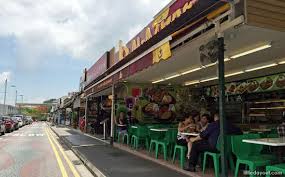
Over time, it gradually evolved into a bustling street with a mix of traditional and modern establishments. The architecture along Sam Leong Road reflects this transition, with older shophouses standing alongside contemporary developments. These structures provide insight into the evolution of urban design and community planning in Singapore.
Architectural Significance
The buildings on Sam Leong Road include a variety of styles. Some feature classic Peranakan motifs, including decorative tiles and colorful facades, while others are simple, functional structures typical of early Singaporean housing. The architectural diversity offers a visual narrative of the area’s historical evolution and the shifting priorities of urban development.
Many older structures have been preserved, maintaining their original character, which allows residents and visitors to experience a sense of nostalgia while observing contemporary urban life. This blend of old and new contributes to the street’s unique identity.
Cultural Landscape
Community Life
Sam Leong Road is home to a diverse population that reflects Singapore’s multicultural fabric. Residents include families who have lived in the area for generations, newcomers attracted by its central location, and business owners who bring vibrancy to the street. The community thrives on social interactions facilitated by local markets, eateries, and shared public spaces.
Local festivals and community events often take place in and around Sam Leong Road, enhancing the cultural experience. The street acts as both a residential hub and a meeting point for social and cultural exchange, making it a dynamic environment that evolves with its community.
Food Culture
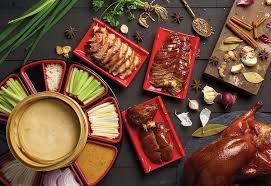
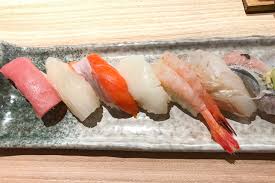
One of the most prominent aspects of Sam Leong Road is its food culture. Small hawker stalls, cafes, and family-run restaurants offer a variety of local delicacies that appeal to both residents and visitors. Signature dishes include traditional chicken rice, noodle soups, and regional desserts that have been passed down through generations.
Food is not just a means of sustenance on Sam Leong Road; it is a cultural expression. Recipes and culinary practices reflect the community’s heritage and identity. Each stall or restaurant tells a story through its menu, whether it is the result of decades of refinement or a modern twist on classic flavors.
Local Markets
The local markets along and near Sam Leong Road provide a rich sensory experience. Vendors sell fresh produce, traditional ingredients, and everyday necessities, fostering connections between residents and shopkeepers. These markets are essential to the street’s social fabric, acting as a space for informal gatherings and cultural exchange.
Key Attractions and Landmarks
Food Establishments
- Traditional Eateries: Sam Leong Road is famous for its traditional eateries offering dishes such as chicken rice, laksa, and nasi lemak. Each establishment carries a unique story of family ownership, local recipes, and culinary expertise.
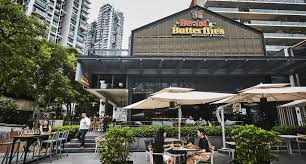
- Cafes and Modern Dining: Newer establishments have introduced modern concepts that coexist with traditional flavors. These cafes offer fusion dishes and contemporary beverages, attracting a younger demographic and creating a diverse culinary scene.
Architectural Sites
- Heritage Shophouses: Walking along Sam Leong Road, visitors will notice numerous shophouses that have preserved their original designs. These buildings often feature intricate facades, wooden shutters, and ornamental details typical of Singapore’s historical architecture.
- Community Hubs: Certain buildings on the street serve as community centers, hosting local events and workshops that promote cultural learning and social engagement.
Recreational Spaces
Although Sam Leong Road is primarily urban, nearby parks and recreational areas provide residents with spaces for relaxation and leisure. These spaces enhance the quality of life on the street and support outdoor activities for families and children.
Walking Tour Guide
Suggested Route
For visitors, a walking tour of Sam Leong Road provides an immersive experience of its culture and history. A suggested route includes starting at the main junction, exploring the heritage shophouses, sampling food at local eateries, and ending at the community hub for local crafts or events.
Key Checkpoints
- Early Morning Breakfast Stops: Begin with a traditional breakfast at a popular hawker stall.
- Heritage Architecture Stops: Identify shophouses with historical motifs and learn about their design.
- Market Exploration: Visit small markets for fresh produce and traditional goods.
- Local Stories: Engage with shopkeepers or residents to learn about the neighborhood’s history.
Culinary Highlights
Signature Dishes
- Chicken Rice: A must-try dish that reflects local flavors, cooked with care and traditional recipes.
- Noodle Soups: Unique blends of broth and noodles representing different cultural influences.
- Local Desserts: Sweet treats using traditional ingredients like coconut, pandan, and red beans.
Food Preparation Techniques
The cooking methods used by eateries on Sam Leong Road are often passed down through generations. From slow-cooked broths to hand-prepared doughs, these techniques reflect a dedication to preserving culinary heritage while innovating to meet modern tastes.
Community and Lifestyle Insights
Resident Stories
Many long-term residents of Sam Leong Road have witnessed the street’s transformation over decades. Their stories provide insights into community life, traditions, and the evolution of urban spaces. These personal accounts enrich the narrative of the street beyond its physical structures.
Social Dynamics
The street demonstrates a balance between traditional community values and modern urban pressures. Local events, communal spaces, and the continuity of small businesses maintain social cohesion, while the influx of new residents and businesses introduces dynamic changes.
Urban Development and Future Outlook
Redevelopment Trends
Sam Leong Road has seen selective redevelopment, aiming to modernize certain areas while preserving heritage sites. These efforts are designed to balance economic growth with cultural preservation.
Sustainability and Community Planning
Future development plans emphasize sustainability and maintaining community connections. Green spaces, pedestrian-friendly pathways, and support for local businesses are key aspects of planning that aim to enhance the quality of life for residents.
Unique Features
Blending Old and New
Sam Leong Road is unique for its coexistence of historic charm and modern amenities. Visitors can experience traditional eateries alongside contemporary cafes, heritage buildings next to newly constructed apartments, and a close-knit community living amidst urban evolution.
Cultural Significance
The street serves as a microcosm of Singapore’s multicultural heritage, reflecting the city’s broader social and historical context. Its food, architecture, and community practices illustrate the interplay of culture, economy, and urban planning.
Practical Visitor Information
Transportation
Sam Leong Road is easily accessible via public transport, including buses and nearby MRT stations. Walking is recommended to fully appreciate the street’s features and subtle details.
Best Time to Visit
Early mornings and late afternoons are ideal for exploring Sam Leong Road. These times allow visitors to enjoy local food, experience market activity, and capture street photography with optimal lighting.
Tips for Tourists
- Engage with local vendors and residents to enrich your experience.
- Explore side streets to discover hidden eateries and historic buildings.
- Respect the community by observing cultural norms and supporting local businesses.