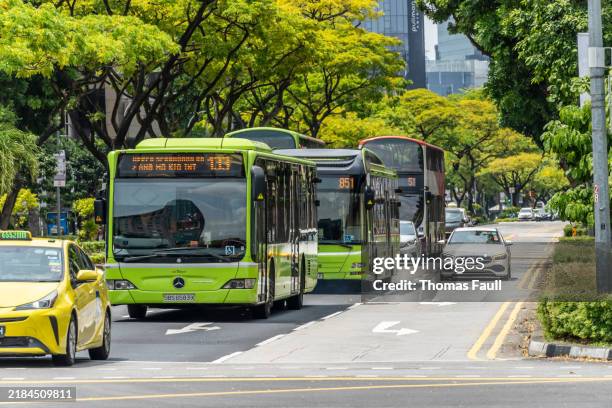
If you’ve ever experienced losing an item on public transport, you know how stressful it can be. The singapore bus lost and found system exists to help commuters retrieve their belongings efficiently. Whether it’s a wallet, phone, backpack, or important documents, understanding how this system works can save you time, frustration, and uncertainty. This guide provides a complete roadmap to navigate the process, maximize your chances of recovering lost items, and avoid common pitfalls.
Understanding the Singapore Bus Lost and Found System
Singapore’s public transport operators have developed a structured lost and found system designed for commuters. Each major bus operator maintains its own protocol, which ensures that items are tracked, stored, and returned whenever possible. Understanding how these systems operate is crucial for anyone who might need to recover lost belongings.
Key Components of the System
- Centralized reporting: Most bus operators have online or hotline systems to report lost items.
- Item logging: Every recovered item is cataloged with a unique reference number.
- Storage period: Items are kept for a predetermined period before being donated or discarded.
- Collection procedures: Claiming an item requires proper identification and often a scheduled pickup.
Who Can Use the System
The system is designed for:
- Regular commuters
- Tourists and visitors
- Individuals who lost items while transferring between buses or bus interchanges
By following official procedures, anyone can maximize the chances of retrieving their belongings.
Step-by-Step Guide to Reporting Lost Items
Navigating the lost and found system efficiently requires a structured approach. Below is a detailed checklist for reporting items through the singapore bus lost and found system.
Step 1: Stay Calm and Identify the Lost Item
- Check what was lost: wallet, phone, bag, documents, or small personal items.
- Note any distinguishing features, including color, brand, or serial numbers.
- Remember the time and bus route where the item was lost.
Step 2: Contact the Bus Operator Immediately
- Use official hotline numbers or online reporting forms.
- Provide all necessary details: item description, time, location, and your contact information.
- Request a reference number for follow-up.
Step 3: Use Online Portals Effectively
Many operators allow reporting online through structured forms:
- Fill in every mandatory field carefully.
- Upload supporting photos of the item if available.
- Submit your report as soon as possible to increase the likelihood of recovery.
Step 4: Follow Up on Your Report
- Track the status of your item using the reference number.
- Call the hotline periodically for updates.
- Understand the retention period for items to avoid missing the pickup window.
Step 5: Collect Your Item Safely
- Bring a valid form of identification.
- Visit the designated lost and found location at the scheduled time.
- Inspect your item to ensure it’s complete before leaving.
Maximizing Your Chances of Recovery
While the singapore bus lost and found system is robust, your proactive measures can significantly improve results. Here are advanced tips for ensuring faster recovery:
Use Clear and Accurate Descriptions
- Include brand, model, color, and any unique features.
- Mention any marks or damages that make the item identifiable.
Provide Supporting Evidence
- Photos of the item, receipts, or proof of purchase can make your claim more credible.
- For electronics, include IMEI numbers or serial codes.
Report Immediately
- The faster you report, the higher the chances of recovery.
- Some items are collected within hours, so delays can reduce success.
Monitor Multiple Channels
- Check online portals, social media updates, and bus operator announcements.
- Some items are only listed on internal databases, so frequent follow-ups are key.
Common Items Lost on Buses
Understanding what commuters typically lose can prepare you for potential recovery procedures:
- Personal electronics (phones, tablets, laptops)
- Wallets, purses, and identity documents
- Bags, backpacks, and luggage
- Clothing and personal accessories
- Keys and small gadgets
Certain items are more frequently recovered than others, so knowing these patterns can help prioritize reporting.
Frequently Asked Questions About the System
How Long Are Lost Items Kept?
Most bus operators store items for two to three months before donating or disposing of unclaimed belongings.
What Identification Is Required?
- Valid government-issued ID
- Proof of ownership for valuable items (receipts, serial numbers)
Can Someone Else Collect My Item?
Yes, but you must authorize them in writing and provide identification documents.
What Happens If My Item Isn’t Found?
- Operators may offer alternative advice for tracking lost items.
- Police lost and found services can be contacted for certain cases.
Advanced Tips for Tourists and Non-Locals
Tourists face unique challenges when using the lost and found system:
- Familiarize yourself with the bus network and operator names.
- Keep digital copies of travel documents and contact information.
- Use apps or websites to report lost items remotely if you’ve already left Singapore.
Preventing Loss on Public Transport
While the singapore bus lost and found system is reliable, prevention is always better:
- Secure bags and personal belongings at all times.
- Use compartments or locks for electronics and valuables.
- Keep essential documents in waterproof or hard-case holders.
- Use tracking devices for high-value electronics.
What to Do If You Find Someone Else’s Item
If you find a lost item on a bus:
- Do not keep the item; it could be considered theft.
- Report the item immediately to the bus operator.
- Provide detailed information about where and when it was found.
- Allow the operator to follow standard lost and found procedures.
Case Studies: Successful Recovery Stories
Understanding real-life success scenarios helps illustrate the system’s efficiency:
- Wallet Recovery
A commuter left their wallet on an evening bus. By reporting immediately with a detailed description and proof of ID, they retrieved it within 48 hours. - Electronic Device
A visitor lost a phone on the bus. By submitting a report through the online portal and providing the IMEI number, the phone was successfully located and claimed at the interchange. - Luggage
A backpack containing clothes and travel documents was misplaced. The operator contacted the owner after cross-referencing bus route information and retained the item until collection.
Integrating Technology with Lost and Found
The singapore bus lost and found system is increasingly leveraging technology:
- Online reporting portals
- Digital tracking for high-value electronics
- Automated alerts when lost items are scanned
- Integration with mobile apps for real-time updates
These innovations improve efficiency and make the recovery process more transparent.
Comparing Bus Operators’ Lost and Found Policies
Each major operator has slightly different procedures:
- SBS Transit: Online forms and hotline reporting; items kept up to three months; structured reference numbers.
- Tower Transit: Detailed online submission forms; quick retrieval for frequently lost items.
- SMRT Buses: Centralized reporting portal; optional collection at interchanges; clear guidelines on acceptable identification.
Knowing operator differences can save time and increase recovery success.
Stepwise Flowchart for Lost Item Recovery
- Identify lost item
- Check immediate surroundings (bus, seats, transfer points)
- Report via official hotline or online form
- Receive reference number
- Follow up on status
- Collect item at designated location with ID
This systematic approach reduces errors and maximizes chances of item return.
Additional Resources for Commuters
- Mobile applications for public transport tracking
- Online community forums for peer advice
- Guides for lost and found reporting in MRT and other transit systems
Conclusion: Mastering the Singapore Bus Lost and Found Process
Navigating the singapore bus lost and found system can be straightforward if you follow structured procedures, use technology effectively, and act quickly. By understanding operator-specific protocols, providing accurate information, and following up consistently, commuters and visitors can significantly increase their chances of recovering lost belongings. With preventative measures and awareness of reporting best practices, losing an item on a bus no longer has to be a stressful or uncertain experience.