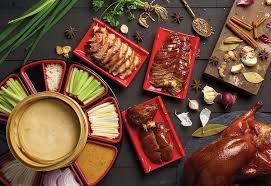
Singapore is a culinary paradise where flavors from China, Malaysia, India, and the indigenous Peranakan culture blend seamlessly. This small city-state has earned a global reputation for its vibrant hawker culture, street food variety, and Michelin-recognized dishes. Understanding Singapore local food requires exploring not just dishes but the culture, traditions, and everyday habits of locals.
Unlike conventional tourist guides, this guide focuses on authentic experiences, deep-dive flavors, and practical insights that allow anyone to eat like a local, not just tick off bucket-list items.
Key Features of Singaporean Food Culture
Multicultural Influence
- Chinese Cuisine: Includes Hainanese chicken rice, char kway teow, dim sum variations, and bak kut teh.
- Malay Cuisine: Known for satay, nasi lemak, mee rebus, and rendang.
- Indian Cuisine: Features roti prata, fish head curry, and biryani.
- Peranakan Cuisine: Fusion dishes like laksa and ayam buah keluak highlight unique flavor combinations of Malay and Chinese culinary heritage.
Hawker Centers as Cultural Hubs
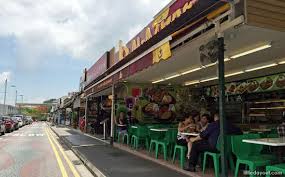
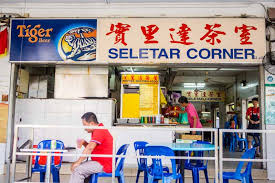
Hawker centers are the heartbeat of Singaporean dining. They originated in the 19th century as open-air markets where migrant workers and locals could buy affordable meals. Today, these centers are UNESCO recognized for their cultural significance and remain essential for local food exploration.
- Popular Hawker Centers:
- Maxwell Food Centre
- Lau Pa Sat
- Tiong Bahru Market
- Chinatown Complex Food Centre
Eating Habits and Lifestyle
Singaporeans eat out frequently due to the fast-paced urban lifestyle. Breakfast, lunch, and dinner often involve visiting hawker centers or food courts. Some dishes are breakfast staples (kaya toast, kopi) while others are special occasion meals (chilli crab, Hokkien mee).
Must-Try Iconic Dishes
Hainanese Chicken Rice
- Description: Poached or roasted chicken served with fragrant rice cooked in chicken broth, accompanied by chili sauce, ginger paste, and dark soy sauce.
- Authenticity Tips: Look for tender, moist chicken with slightly oily rice. Avoid places with pale, dry chicken.
- Best Places to Eat: Tian Tian Hainanese Chicken Rice (Maxwell Food Centre), Wee Nam Kee (multiple outlets).
Laksa
- Description: Spicy noodle soup made with coconut milk, curry paste, prawns, cockles, and rice noodles.
- Variations: Katong laksa uses shorter noodles for easy eating with a spoon.
- Best Places: 328 Katong Laksa, Sungei Road Laksa.
Char Kway Teow
- Description: Stir-fried flat rice noodles with egg, Chinese sausage, cockles, and bean sprouts.
- Key Flavor: Smoky “wok hei” aroma, slightly sweet and savory sauce.
- Tips: Authentic stalls use pork lard for extra fragrance.
Satay
- Description: Grilled skewers of chicken, beef, or mutton served with peanut sauce, rice cakes, onions, and cucumber.
- Best Places: Lau Pa Sat Satay Street, Chomp Chomp Market (evening hours).
Chilli Crab
- Description: Fresh mud crab cooked in a semi-thick, tangy, and mildly spicy tomato-based sauce.
- Tips: Use mantou buns to soak up the sauce; avoid restaurants that overcook the crab.
- Top Spots: Jumbo Seafood (East Coast), No Signboard Seafood.
Kaya Toast and Kopi
- Description: Toasted bread spread with kaya (coconut jam) and butter, often paired with kopi (local coffee) or teh (tea).
- Breakfast Habit: Staple for locals; often eaten at hawker centers or kopitiams (traditional coffee shops).
Roti Prata
- Description: Indian-influenced flatbread, crispy outside, soft inside, served with curry.
- Variants: Egg prata, cheese prata, murtabak (stuffed variant).
- Popular Spots: The Roti Prata House, Springleaf Prata Place.
Practical Guide to Eating Like a Local
Ordering and Etiquette
- Learn local abbreviations: “chicken rice, white, small chili” for minimal sauce.
- Queue patiently; locals often judge stall quality by the crowd.
- Cash is king; some smaller stalls don’t accept cards.
Understanding Meal Portions
- Many dishes are designed for sharing. Laksa, char kway teow, or satay are ideal for 2–3 people.
- Rice-based dishes (nasi lemak, chicken rice) are individual portions.
Optimal Timing
- Breakfast: 7:00–9:00 AM for kaya toast, kopi, soft-boiled eggs.
- Lunch: 11:30–1:30 PM at hawker centers.
- Dinner: 6:30–8:30 PM for chilli crab, satay, and seafood.
Neighborhood Food Maps
Chinatown
- Specialties: Hainanese chicken rice, laksa, char kway teow.
- Notable Spots: Chinatown Complex Food Centre, Maxwell Road Hawker Centre.
Little India
- Specialties: Roti prata, Indian sweets, biryani, fish head curry.
- Tips: Look for stalls with local Indian families for authentic taste.
Kampong Glam
- Specialties: Malay nasi lemak, mee rebus, traditional desserts.
- Cultural Experience: Great for combining food with heritage exploration.
East Coast
- Specialties: Seafood — chilli crab, black pepper crab, BBQ stingray.
- Extra Tip: Evening visits are perfect for seaside dining.
Lesser-Known Dishes and Hidden Gems
Fish Soup Bee Hoon
- Description: Clear, light broth with vermicelli, fish slices, and vegetables.
- Local Tip: Popular among elderly locals; very few tourists.
Hokkien Mee
- Description: Stir-fried prawn noodles with a mix of egg and rice noodles, served with sambal and lime.
- Flavor Note: Balanced sweet-savory taste; must have fresh seafood for authentic flavor.
Ngoh Hiang (Five-Spice Roll)
- Description: Minced meat and prawn rolls seasoned with five-spice powder, wrapped in bean curd skin, deep-fried.
- When to Eat: Festival or special occasions; some hawker centers sell it daily.
Tau Huay (Soybean Pudding)
- Description: Silky tofu dessert, served warm or cold, with syrup or ginger flavor.
- Popular Vendors: Ah Balling Peanut Soup, Mei Heong Yuen Dessert.
Sensory Guide to Singapore Food
Flavors
- Sweet, savory, spicy, sour, and umami all balance in dishes.
- For example, laksa has coconut creaminess with spiced curry, while satay blends smoky grilled flavors with peanut sweetness.
Textures
- Noodles: soft or chewy (char kway teow vs. laksa).
- Seafood: tender crab, succulent prawns.
- Desserts: creamy kaya, soft tau huay.
Presentation
- Most hawker food is served in simple trays or bowls.
- Street presentation emphasizes practical eating rather than aesthetics, except for some modern cafes.
Budget Guide for Eating Out
| Dish | Typical Price (SGD) |
|---|---|
| Hainanese Chicken Rice | 3–5 |
| Laksa | 4–6 |
| Char Kway Teow | 4–5 |
| Satay (per stick) | 0.80–1.50 |
| Chilli Crab | 50–100 (for 2–3 people) |
| Roti Prata | 2–5 |
| Kaya Toast + Kopi | 2–3 |
Tip: Hawker centers offer high-quality food at low prices; avoid tourist-trap restaurants unless looking for premium dining.
Seasonal and Festival Foods
- Chinese New Year: Bak Kwa, Nian Gao (rice cake)
- Hari Raya: Ketupat, Lemang (glutinous rice in bamboo)
- Deepavali: Murukku, sweets like Mysore Pak
- Mid-Autumn Festival: Mooncakes in traditional bakeries
These dishes provide cultural insight beyond the regular hawker experience.
Food Pairing Recommendations
- Laksa + Barley Drink: Balances spiciness.
- Satay + Tiger Beer: Common local pairing in evenings.
- Hainanese Chicken Rice + Ginger Sauce: Enhances aroma.
- Kaya Toast + Kopi C: Iconic breakfast duo.
Health and Dietary Considerations
- Most dishes are high in carbs and oil; balance with vegetables (char kway teow with extra beansprouts).
- Gluten-free options exist in some stalls (rice noodles, steamed dishes).
- Vegan-friendly choices include roti prata (without egg), vegetable laksa, and some desserts.
Technology and Modern Food Trends
- Food Delivery Apps: GrabFood, Deliveroo, and FoodPanda deliver hawker meals to doorsteps.
- Social Media Influence: Instagram and TikTok are driving popularity for visually striking modern dishes (colorful prata, fusion desserts).
- Fusion Cuisine: New-generation cafes blend traditional dishes with modern twists, e.g., salted egg yolk croissants.
Insider Tips for Travelers
- Bring cash in small denominations.
- Avoid peak hours if queues are too long, or embrace them for authenticity.
- Ask locals for recommendations instead of relying solely on maps or apps.
- Explore smaller neighborhoods for hidden gems (Joo Chiat, Geylang Serai).
Conclusion
Singapore’s local food scene is vast, dynamic, and deeply rooted in culture. While many guides list only popular dishes, true culinary exploration comes from understanding traditions, tasting variations, and experiencing everyday life at hawker centers.
This guide provides a complete roadmap for eating like a local, from iconic dishes to hidden gems, seasonal treats, budget tips, sensory guides, and practical advice for visitors. By following these insights, anyone can experience the true taste of Singapore beyond conventional tourist experiences.