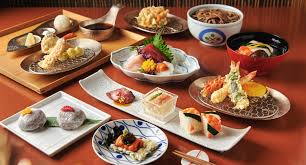
Tempura bars represent a unique dining experience, focusing on the Japanese art of frying fresh ingredients in light, crispy batter. Unlike standard Japanese restaurants, a tempura bar emphasizes live preparation, allowing diners to watch chefs craft each piece meticulously. This interactive approach not only enhances the dining experience but also highlights the skill and precision required in Japanese cuisine.
The Origins of Tempura
Tempura originated in Japan during the 16th century, influenced by Portuguese traders who introduced deep-frying techniques. Over time, Japanese chefs adapted the method, focusing on delicate batter and fresh ingredients. Today, tempura has evolved into various forms, from casual restaurant dishes to specialized tempura bars offering premium experiences.
Understanding the Tempura Bar Concept
A tempura bar is designed to showcase the frying process, often with seating around a central counter where the chef works. This setup creates an engaging environment where diners can interact with the chef, learn about ingredients, and gain insight into preparation techniques. Unlike buffet or casual dining, tempura bars focus on quality, timing, and presentation.
Key Ingredients Used in Tempura
Seafood
- Shrimp
- Squid
- White fish fillets
- Scallops
Vegetables
- Sweet potatoes
- Eggplant
- Mushrooms
- Green beans
- Asparagus
Others
- Seasonal vegetables depending on the region
- Occasionally unique ingredients such as lotus root or pumpkin blossoms
Batter and Frying Techniques
The hallmark of tempura is its light, crispy batter. Achieving this requires precision in mixing, temperature control, and frying speed. Key aspects include:
- Using cold water to mix batter for a light texture
- Minimal mixing to prevent gluten development
- Frying in small batches to maintain oil temperature
- Draining excess oil while keeping crispness intact
Equipment at a Tempura Bar
Frying Stations
High-quality fryers with precise temperature control are essential.
Serving Utensils
- Long chopsticks for handling delicate items
- Strainers to remove fried pieces
- Special trays for presentation
Counter Setup
A well-designed counter allows visibility of cooking and easy interaction with guests.
The Dining Experience
Interaction with Chefs
Diners gain insight into preparation techniques and ingredient selection.
Presentation
Each piece is served immediately after frying to maintain optimal texture.
Pairing
Tempura is often paired with:
- Soy-based dipping sauces
- Salt blends for specific ingredients
- Light beverages to complement flavors
Popular Tempura Bar Locations Globally
Japan
- Tokyo: Famous for traditional tempura counters in Ginza
- Kyoto: Offers seasonal vegetable tempura in historic settings
Singapore
- Notable for modern tempura bars blending Japanese tradition with local flavors
Malaysia
- Kuala Lumpur: High-end restaurants offering tasting menus with curated tempura selections
Europe
- Cities like London and Paris host contemporary Japanese tempura bars emphasizing fresh, imported ingredients
How to Choose a Tempura Bar
Reputation
Look for venues with positive reviews, high standards for ingredient freshness, and skilled chefs.
Menu Variety
Ensure a mix of seafood, vegetables, and seasonal specialties.
Ambience
The setting should offer comfortable seating around the preparation area for full engagement.
Price and Value
Consider tasting menus versus à la carte options to assess value.
Tasting Tips for Tempura
- Eat immediately after serving for the best texture
- Alternate dipping sauces to enhance different flavors
- Pair lighter ingredients first, followed by richer or heavier items
- Appreciate subtle seasoning rather than overloading with sauces
Cultural Significance of Tempura Bars
Tempura bars highlight Japanese culinary philosophy:
- Respect for ingredients
- Precision in preparation
- Presentation as an art form
These establishments preserve traditional techniques while adapting to modern tastes.
Health and Nutrition Considerations
While fried, tempura can be lighter than other fried foods due to:
- Use of fresh, high-quality ingredients
- Light, minimally mixed batter
- Fast frying at proper temperatures
Moderation and balanced menu choices help maintain health-conscious dining.
Seasonal Variations in Tempura
- Spring: Bamboo shoots, green peas, asparagus
- Summer: Eggplant, sweet corn, summer squash
- Autumn: Pumpkin, mushrooms, root vegetables
- Winter: Daikon radish, sweet potatoes, leafy greens
Chef Techniques and Expertise
Expertise at a tempura bar involves:
- Selecting and preparing ingredients
- Mastery over frying times
- Creating a balance of textures
- Engaging diners while maintaining kitchen efficiency
Tempura Bar Etiquette
- Respect the chef and counter etiquette
- Eat served items promptly
- Minimal talking during delicate frying process
- Avoid requesting substitutions that compromise traditional preparation
Pairing Tempura with Beverages
Alcoholic Options
- Light sake to complement seafood
- Japanese beer for crisp contrast
Non-Alcoholic Options
- Green tea to cleanse palate
- Sparkling water for texture contrast
Innovations in Modern Tempura Bars
- Fusion ingredients combining local flavors with traditional Japanese technique
- Interactive tasting menus
- Seasonal ingredient showcases
- Sustainable sourcing of seafood and vegetables
Challenges in Operating a Tempura Bar
- Maintaining consistent oil temperature
- Sourcing fresh, high-quality ingredients
- Training chefs in precise frying techniques
- Managing counter seating flow for optimal guest experience
Common Mistakes in Tempura Preparation
- Overmixing batter causing heavy texture
- Frying at incorrect temperature leading to greasy results
- Serving food late resulting in loss of crispness
- Inconsistent portion sizes affecting presentation
Tempura Bar Menu Planning
Appetizers
- Light vegetable tempura to start
- Seasonal specials
Main Courses
- Seafood tempura sets
- Mixed vegetable and seafood platters
Desserts
- Tempura-fried sweets like ice cream or fruit
- Light finishing sauces
Cost Considerations for Diners
- High-quality tempura bars often range from moderate to premium pricing
- Tasting menus provide better value and comprehensive experience
- À la carte ordering allows flexible budget but may not showcase full expertise
Global Trends in Tempura Dining
- Emphasis on interactive dining experiences
- Focus on local and sustainable ingredients
- Fusion menus blending Japanese and regional culinary styles
- Growth of tempura bars in urban centers worldwide
Sustainability Practices
- Using responsibly sourced seafood
- Reducing waste in vegetable preparation
- Choosing eco-friendly packaging for takeaway
- Efficient energy use in frying equipment
How to Experience a Tempura Bar for the First Time
- Make reservations if required
- Arrive early to view chef preparation
- Observe the presentation techniques
- Try a variety of ingredients
- Ask questions about sourcing and preparation methods
Comparing Tempura Bars to Other Japanese Dining Experiences
Sushi Bars
- Focus on raw preparation
- Emphasizes freshness and knife skills
Teppanyaki
- Grilling over a hot plate
- Interactive and show-oriented
Tempura Bar
- Specializes in frying techniques
- Focus on light, crisp textures
- Engaging counter experience
Frequently Asked Questions
Q: Can tempura be prepared vegetarian? A: Yes, vegetable tempura is common and seasonal ingredients can be used.
Q: Is a tempura bar suitable for children? A: Yes, but counter seating and hot oil precautions should be observed.
Q: How long should tempura be consumed after frying? A: Ideally immediately, within a few minutes, to retain crispness.
Q: Are tempura bars expensive? A: Pricing varies, but high-quality tempura bars often have moderate to premium pricing due to ingredient quality and chef expertise.
Enhancing Your Tempura Experience
- Observe the chef’s technique for educational value
- Engage in tasting different batters or sauces
- Try seasonal specials to understand ingredient versatility
- Pair thoughtfully with beverages to enhance flavors
Conclusion
Tempura bars provide a specialized, interactive, and culturally rich dining experience. With a focus on precise frying techniques, fresh ingredients, and engaging counter service, these establishments stand apart from other Japanese dining formats. Understanding the origins, preparation methods, and proper etiquette enhances the overall experience, making a visit to a tempura bar both enjoyable and educational. By combining tradition with modern innovation and sustainability, tempura bars continue to captivate food enthusiasts worldwide, offering a unique insight into Japanese culinary artistry.