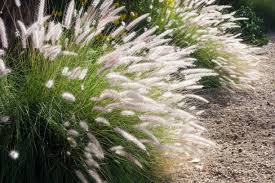
White grass is a term used to describe a variety of grass species or phenomena where grass appears pale, white, or silvery. This guide provides an in-depth exploration of white grass, covering its types, growth conditions, identification, care, and uses in landscaping and ecological contexts. By the end, readers will gain comprehensive knowledge of white grass and how it can be incorporated or managed effectively.
Types of White Grass
White grass can refer to several categories, each with unique characteristics and uses.
Natural White Grass Varieties
Some grass species naturally exhibit pale or white foliage due to genetic traits or environmental adaptations. Examples include:
- Leersia virginica: Often called white grass, this species thrives in wetlands and has pale green to silvery leaves.
- Cortaderia selloana (White Pampas Grass): Known for its feathery white plumes, this ornamental grass is widely used in landscaping.
- Miscanthus sinensis ‘Silberfeder’: A variety of miscanthus with silvery-white flower heads popular in gardens.
Albino Grass
Albino grass lacks chlorophyll, resulting in white or pale coloration. This phenomenon can occur in patches within a lawn and is often short-lived due to the grass’s inability to photosynthesize effectively. Albino grass may appear as:
- Small streaks or patches in an otherwise green lawn.
- Temporary conditions in seedlings or young grass shoots.
White Appearance Due to Environmental Stress
Grass can also appear white or pale due to environmental factors such as:
- Frost or snow covering blades.
- Drought stress causing chlorosis.
- Fungal infections or powdery mildew.
- Soil nutrient deficiencies, especially nitrogen or iron.
Identification Features
Identifying white grass requires attention to several botanical and environmental markers.
Leaf Structure
- Narrow to broad leaves depending on species.
- Presence of midrib and parallel veins.
- Texture can range from soft and feathery (ornamental grasses) to coarse and stiff (turf varieties).
Flowering and Seed Heads
- Feathery or plume-like structures in ornamental varieties.
- Small spikelets in wild species.
- Seasonal changes in coloration, often turning golden or beige as flowers mature.
Growth Pattern
- Clumping versus spreading habits.
- Height variations from 30 cm to over 2 meters.
- Root structures may be fibrous or rhizomatous depending on the species.
Habitat and Soil Preferences
- Wetlands, riverbanks, and moist areas for Leersia virginica.
- Well-drained, sunny locations for ornamental pampas grasses.
- Tolerance to a range of soil pH and fertility conditions varies among species.
Cultivation and Care
Proper care ensures healthy growth and aesthetic appeal of white grass.
Soil Preparation
- Test soil for pH and nutrient levels.
- Amend with compost or organic matter to improve drainage and fertility.
- Ensure the site receives appropriate sunlight based on species needs.
Planting Techniques
- Space plants according to mature size.
- For clumping grasses, divide root balls to promote healthy growth.
- Plant during seasons with moderate temperature and adequate moisture.
Watering and Irrigation
- Regular watering is crucial during establishment.
- Reduce irrigation once grass is mature, except in arid conditions.
- Avoid overwatering to prevent fungal diseases.
Fertilization
- Use balanced fertilizers high in nitrogen for growth.
- Adjust based on soil test results.
- Fertilize seasonally, typically in spring and mid-summer for temperate climates.
Pruning and Maintenance
- Remove dead or damaged leaves to maintain appearance.
- Cut back ornamental grasses annually to stimulate new growth.
- Monitor for pests and diseases regularly.
Common Pests and Diseases
Understanding threats helps prevent damage to white grass.
Insect Pests
- Aphids: Feed on sap and weaken plants.
- Grasshoppers: Can defoliate young plants.
- Mites: Cause discoloration and stippling on leaves.
Fungal and Bacterial Diseases
- Powdery mildew: White powdery coating on leaves.
- Rust: Orange or brown pustules on leaf surfaces.
- Leaf spot diseases: Cause necrotic patches, often worsened by overwatering.
Prevention and Treatment
- Maintain proper spacing for airflow.
- Water early in the day to allow leaf drying.
- Apply fungicides when necessary following integrated pest management guidelines.
Landscaping Uses
White grass is valued for both functional and aesthetic purposes.
Ornamental Applications
- Garden borders and privacy screens.
- Accent plants for texture contrast.
- Seasonal displays with flower plumes for visual interest.
Erosion Control
- Stabilizes soil on slopes and riverbanks.
- Prevents sediment runoff in wetland restoration projects.
Wildlife Habitat
- Provides cover and nesting materials for birds.
- Supports insects and pollinators in ornamental and natural settings.
Environmental and Ecological Considerations
Native vs. Non-Native Species
- Native species support local ecosystems and require less maintenance.
- Non-native ornamental grasses can become invasive if not managed properly.
Sustainability Practices
- Use drought-tolerant varieties in low-water landscapes.
- Avoid chemical overuse; opt for organic fertilizers when possible.
- Mulch around plants to retain soil moisture and suppress weeds.
Climate Adaptation
- Choose species suited to local climate zones.
- Monitor for changes in growth patterns due to temperature and precipitation shifts.
White Grass in Lawns
Causes of White Appearance in Turf
- Seasonal dormancy during winter or dry periods.
- Nutrient deficiencies causing chlorosis.
- Fungal infections such as powdery mildew.
- Herbicide damage leading to bleaching.
Identification and Differentiation
- Compare affected areas to healthy grass for pattern recognition.
- Assess soil moisture, sunlight exposure, and maintenance history.
- Conduct soil tests for nutrient imbalances.
Remediation and Care
- Adjust watering schedules and fertilization practices.
- Apply fungicides if disease is confirmed.
- Overseed with appropriate grass varieties to restore lawn density.
Advanced Data and Research Insights
Growth Rates and Patterns
- Pampas grasses can grow up to 2.5 meters per season under optimal conditions.
- Wetland species like Leersia virginica spread slowly through rhizomes, providing stable ground coverage.
Nutrient Uptake
- White grass varieties differ in nitrogen and phosphorus uptake.
- Albino grass shows limited nutrient assimilation due to reduced chlorophyll content.
Genetic Considerations
- Selective breeding has produced ornamental varieties with silvery plumes and drought tolerance.
- Genetic diversity is essential to prevent susceptibility to pests and diseases.
Identification Tools and Techniques
- Visual comparison with high-resolution images.
- Botanical keys detailing leaf shape, inflorescence, and stem structure.
- Soil and environmental assessments for context-specific identification.
Practical Tips for Home Gardeners
- Combine white grass with contrasting green or purple plants for visual appeal.
- Use clumping varieties in small gardens to prevent overcrowding.
- Mulch and maintain proper irrigation to enhance longevity and color vibrancy.
Seasonal Management
- Spring: Divide and replant mature clumps; fertilize.
- Summer: Maintain irrigation; monitor for pests.
- Autumn: Cut back ornamental grasses; collect seeds if desired.
- Winter: Monitor for frost damage and protect sensitive species.
Case Studies and Examples
Ornamental White Grass Garden
- Layout of Pampas grass interspersed with low-growing perennials.
- Use of white plumes to frame walkways and focal points.
- Seasonal care schedule integrating pruning, fertilization, and pest management.
Wetland Restoration Project
- Incorporation of Leersia virginica to stabilize soil along stream banks.
- Monitoring of water levels and nutrient input to optimize growth.
- Community involvement in planting and maintenance.
Future Trends in White Grass Cultivation
- Development of drought-tolerant, low-maintenance ornamental varieties.
- Genetic research to produce disease-resistant and climate-adaptive grasses.
- Integration of white grass in sustainable landscaping and urban green spaces.
Conclusion
White grass encompasses a variety of species and phenomena that present unique challenges and opportunities for gardeners, landscapers, and ecologists. By understanding its types, growth requirements, identification methods, care practices, and environmental implications, one can effectively utilize white grass in both ornamental and ecological contexts. Proper management ensures aesthetic appeal, ecosystem support, and resilience against pests and environmental stresses, making white grass a versatile and valuable component of diverse landscapes.