

 By Singapore Local News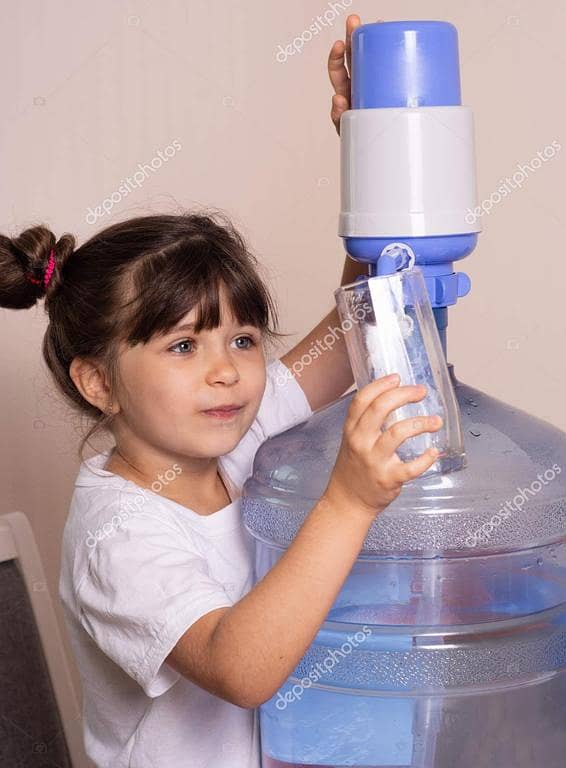
Water refill is transforming the way individuals, businesses, and communities access clean drinking water in a world that is rapidly shifting toward sustainability and cost efficiency. This comprehensive guide explores every critical, technical, environmental, economic, and strategic dimension of modern refill systems, ensuring you understand not only how they work but also how to implement, optimize, and benefit from them at the highest level.
Understanding Water Refill and Why It Matters Today
Water refill refers to the process of replenishing drinking water containers—whether reusable bottles, large 19-liter jars, dispensers, or integrated hydration systems—through purification stations, refill kiosks, filtration units, or delivery services instead of purchasing single-use bottled water repeatedly.
The increasing global demand for sustainable hydration has positioned refill infrastructure as a powerful solution that reduces plastic waste, lowers consumer cost, and improves accessibility to clean water.
Modern refill systems are not just about convenience. They integrate filtration technology, sanitation protocols, mineral balancing, and quality monitoring systems. As awareness grows regarding plastic pollution and resource conservation, refill models have become central to eco-conscious consumption strategies.
The Evolution of Water Refill Systems
Traditional Bottle Exchange Model
Historically, households relied on large returnable water jars delivered to homes and offices. These bottles were collected, sanitized, refilled, and redistributed. While effective, logistics and sanitation consistency varied.
Public Refill Stations
Urban infrastructure later introduced refill fountains in schools, malls, airports, and public parks. These systems emphasized accessibility and encouraged reusable bottles.
Smart Hydration Systems
Today’s advanced refill stations include:
- Touchless dispensing
- Real-time filtration monitoring
- UV sterilization
- IoT-based usage tracking
- Integrated TDS and mineral balancing sensors
This evolution demonstrates how refill solutions have shifted from simple convenience models to sophisticated environmental technologies.
Types of Water Refill Systems
Residential Refill Units
Under-sink filtration systems
Countertop purification units
Reverse osmosis home systems
These provide on-demand clean water without relying on commercial bottled supply.
Commercial Refill Stations
Installed in:
- Corporate offices
- Educational institutions
- Healthcare facilities
- Fitness centers
- Retail environments
Commercial setups often combine RO filtration, UV sterilization, carbon filtration, and mineral enhancers.
Retail Refill Kiosks
Self-service refill machines located in supermarkets or dedicated water depots allow customers to refill containers at lower costs than bottled alternatives.
Industrial Refill Infrastructure
Large-scale purification plants supply refill jars, bulk delivery systems, and automated filling lines with strict hygiene standards.
Core Technologies Behind Water Refill Purification
Reverse Osmosis (RO)
RO removes dissolved salts, heavy metals, and contaminants through semi-permeable membranes.
Ultraviolet (UV) Sterilization
UV light destroys bacteria and viruses without chemical additives.
Activated Carbon Filtration
Carbon filters remove chlorine, odor, and organic compounds.
Ultrafiltration (UF)
UF membranes filter microorganisms while preserving essential minerals.
Ozonation
Ozone gas disinfects containers and water, ensuring microbial safety.
Mineral Rebalancing
Post-RO mineral cartridges reintroduce calcium and magnesium to maintain taste and health balance.
Safety Standards and Hygiene Protocols
Proper refill operations follow strict safety guidelines:
- Multi-stage filtration
- Scheduled membrane replacement
- UV lamp replacement cycles
- Bottle sanitation with hot water or ozone
- TDS monitoring
- Microbial testing
- Closed filling chambers
- Employee hygiene training
Without consistent sanitation control, refill quality can deteriorate. Therefore, operational discipline is crucial.
Environmental Impact of Water Refill
Plastic Waste Reduction
Single-use plastic bottles are among the largest contributors to landfill and ocean pollution. Refillable containers drastically reduce plastic production and disposal.
Lower Carbon Emissions
Manufacturing plastic bottles requires petroleum, energy, and transportation. Refill systems cut carbon footprint significantly by eliminating repeated packaging production.
Resource Efficiency
Refill reduces:
- Raw material extraction
- Packaging energy use
- Distribution emissions
This aligns with circular economy principles.
Economic Benefits of Water Refill
Cost Savings for Consumers
Refill water typically costs 40–70% less than branded bottled alternatives over time.
Lower Business Operating Expenses
Companies installing refill stations reduce recurring bottled water procurement costs.
Revenue Generation Opportunity
Entrepreneurs can operate refill kiosks with:
- Moderate startup cost
- Recurring demand
- High-volume sales potential
- Local community trust
Comparing Water Refill vs Bottled Water
| Factor | Refill | Single-use Bottled |
|---|---|---|
| Cost | Low | High |
| Plastic Waste | Minimal | Significant |
| Carbon Footprint | Reduced | Elevated |
| Convenience | High (local access) | Moderate |
| Customization | Adjustable filtration | Fixed |
Health Considerations in Water Refill
Water Quality Monitoring
Testing includes:
- pH level
- TDS measurement
- Microbial count
- Chemical contaminants
Taste Optimization
Mineral balancing enhances taste quality, encouraging consistent hydration.
Avoiding Contamination
Consumers should:
- Clean reusable bottles daily
- Avoid storing water in heat
- Use food-grade containers
Setting Up a Profitable Water Refill Business
Location Selection
Ideal areas include:
- Residential communities
- High foot-traffic retail zones
- Near educational institutions
Equipment Investment
Essential components:
- RO plant
- UV system
- Ozone sanitizer
- Filling machine
- Storage tanks
Licensing & Compliance
Operators must follow:
- Local water safety standards
- Sanitation regulations
- Environmental guidelines
Branding Strategy
Trust is key. Transparent purification process display increases credibility.
Advanced Data and Smart Monitoring
Modern refill systems incorporate:
- IoT-based performance tracking
- Automated TDS alerts
- Remote diagnostics
- Usage analytics dashboards
Data-driven systems reduce maintenance downtime and increase consumer confidence.
Marketing Strategies for Water Refill Businesses
Digital Presence
- SEO-optimized website
- Google Maps listing
- Customer reviews
Community Engagement
- Sustainability campaigns
- Educational workshops
- Reusable bottle giveaways
Subscription Models
Offer:
- Monthly refill plans
- Bulk discounts
- Corporate hydration packages
Common Mistakes in Water Refill Operations
- Ignoring filter replacement schedule
- Poor bottle sanitation
- Lack of transparency
- Inconsistent quality checks
- Weak branding strategy
Avoiding these mistakes ensures long-term sustainability.
Frequently Asked Questions
Is refill water safe?
Yes, when processed through certified purification systems and maintained correctly.
How often should filters be replaced?
Depends on water quality and usage volume, typically every 6–12 months.
Can refill water taste better than bottled water?
Yes, mineral balancing and fresh filtration often improve taste.
Future Trends in Water Refill Industry
- AI-powered quality detection
- Blockchain water source transparency
- Solar-powered refill kiosks
- Smart bottle integration
- Zero-waste retail ecosystems
Strategic Recommendations for Maximum Impact
- Combine education + transparency + technology
- Publish water quality reports publicly
- Use data-backed sustainability metrics
- Integrate contactless systems
- Offer loyalty-based refill programs
Final Thoughts
Water refill represents a powerful shift toward smarter hydration, combining environmental responsibility, financial savings, technological innovation, and consumer empowerment. Whether you are a homeowner, entrepreneur, or sustainability advocate, adopting refill solutions creates measurable benefits across health, economy, and ecology. By leveraging advanced purification systems, maintaining strict hygiene standards, and educating users, refill infrastructure can become the foundation of a cleaner and more sustainable hydration future.
 Global Arena