

 By Singapore Local News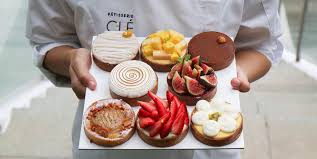
Pâtisserie Clé represents a modern interpretation of refined French pastry culture where craftsmanship, artistic balance, and flavor precision come together to redefine how contemporary desserts are experienced. Unlike conventional bakeries focused purely on sweetness or visual appeal, this pâtisserie has established its identity through technical mastery, restrained flavor composition, and a design philosophy rooted in elegance rather than excess. The word “Clé,” meaning key, reflects the deeper intention behind the brand which focuses on unlocking harmony between taste, texture, aroma, and presentation. Visitors entering the space immediately notice that every detail, from pastry glazing to structural layering, follows a deliberate culinary logic shaped by classical European techniques adapted for modern dessert preferences. The experience moves beyond simple consumption and instead becomes an exploration of pastry architecture where each creation functions as both edible art and technical achievement.
Evolution of Modern French Patisserie Culture
French pastry traditions have historically emphasized discipline, precision, and balance. Over centuries, pâtissiers refined techniques involving laminated dough, custard stabilization, mousse aeration, and sugar work. Modern interpretations now integrate lighter textures, reduced sweetness, and global flavor inspirations. Pâtisserie Clé operates within this evolution, representing a contemporary movement where desserts maintain classical integrity while responding to modern lifestyle expectations. Today’s dessert consumers seek sophistication without heaviness, visual beauty without artificial decoration, and indulgence without overwhelming richness. This transformation explains why refined entremets, delicate fruit tarts, and mousse-based cakes dominate the menu philosophy. Each dessert reflects calculated restraint where acidity balances sweetness and texture contrast replaces density.
Brand Philosophy and Culinary Identity
The culinary identity of Pâtisserie Clé revolves around three foundational principles: harmony, craftsmanship, and emotional connection. Harmony ensures that no single ingredient dominates the flavor profile. Craftsmanship highlights the technical labor involved in producing layered desserts requiring multiple preparation stages. Emotional connection emerges through aesthetic minimalism that evokes calmness and refinement rather than extravagance. Every pastry undergoes conceptual planning beginning with flavor pairing analysis followed by structural testing to maintain stability during storage and transport. This methodology separates artisan pâtisseries from commercial bakeries because production prioritizes quality consistency instead of mass efficiency.
Understanding the Concept of Entremets
One of the defining specialties associated with Pâtisserie Clé is the entremet, a sophisticated French dessert composed of multiple integrated layers. An entremet typically includes sponge base, crunchy insert, mousse component, glaze finish, and flavor accents designed to deliver progressive taste sensations. The construction demands temperature control, timing precision, and ingredient compatibility. Textural sequencing becomes essential so that softness, creaminess, and slight crunch coexist within a single bite. The visual mirror glaze often seen on these desserts serves not only aesthetic purposes but also moisture protection, maintaining freshness while enhancing structural stability.
Signature Tart Engineering and Flavor Balance
Tarts represent another cornerstone of the menu and demonstrate advanced pastry engineering principles. A successful tart shell must maintain crispness while supporting moist fillings without structural collapse. Achieving this balance requires blind baking techniques, controlled butter ratios, and moisture barriers such as cocoa butter coatings. Pâtisserie Clé’s approach focuses on fruit-forward compositions where natural acidity offsets custard richness. Citrus, berries, tropical fruits, and nut-based creams frequently appear together to produce layered complexity. The goal is clarity of flavor where individual ingredients remain distinguishable rather than blended into uniform sweetness.
Ingredient Selection and Quality Standards
Ingredient sourcing plays a decisive role in maintaining flavor authenticity. Premium butter contributes to laminated dough flakiness while high-quality chocolate determines mousse texture and aroma depth. Fresh fruits are selected according to seasonal availability to preserve natural sweetness without artificial enhancement. Gelatin stabilization, dairy emulsification, and sugar calibration undergo strict testing to maintain consistent mouthfeel. These decisions collectively influence the final sensory experience because pastry outcomes depend heavily on ingredient purity rather than decorative additions.
Texture Science Behind Artisan Desserts
Texture defines how desserts are perceived beyond flavor alone. Human sensory response reacts strongly to contrast between smooth mousse, crisp base, airy sponge, and glossy glaze. Pâtisserie Clé designs desserts with deliberate textural transitions so each bite evolves progressively. Aeration techniques introduce microscopic air pockets that lighten mousse density while praline layers introduce controlled crunch. Temperature sensitivity further enhances perception because chilled desserts deliver clean flavor release compared to dense baked alternatives.
Visual Aesthetics and Minimalist Presentation
Modern pâtisserie aesthetics emphasize restraint and clarity. Instead of elaborate decorations, desserts often feature smooth surfaces, subtle color gradients, and geometric precision. Visual minimalism communicates luxury by highlighting craftsmanship rather than ornamentation. Mirror glazing techniques produce reflective finishes requiring flawless application because imperfections become instantly visible. This pursuit of visual perfection aligns with contemporary design trends where simplicity conveys sophistication.
Menu Structure and Product Categories
The menu typically organizes offerings into distinct categories including entremets, individual tarts, celebration cakes, viennoiseries, and seasonal specialties. Each category fulfills different consumption purposes ranging from personal indulgence to social celebrations. Individual desserts allow experimentation while larger cakes emphasize shared experiences. Seasonal rotations introduce novelty while maintaining signature favorites that reinforce brand recognition.
Seasonal Menu Innovation Strategy
Seasonality influences both flavor development and ingredient selection. Summer menus often highlight tropical fruits and lighter mousse profiles while cooler seasons introduce chocolate, nuts, and caramel elements. Rotating selections encourage repeat visits and maintain creative momentum within the kitchen. Innovation occurs through reinterpretation rather than radical change, ensuring that experimentation never compromises balance.
Customer Experience and Store Environment
The physical environment contributes significantly to perception of quality. Clean architectural layouts, soft lighting, and organized displays create an atmosphere associated with luxury boutiques rather than traditional bakeries. Dessert presentation behind glass showcases emphasizes visual appreciation before purchase, encouraging thoughtful selection. Customers often experience anticipation similar to visiting an art gallery where each pastry functions as a centerpiece.
First Visit Ordering Strategy
New visitors often benefit from structured ordering approaches. Starting with fruit-based tarts introduces the brand’s balance philosophy while mousse cakes demonstrate technical refinement. Combining contrasting flavor profiles during a single visit allows deeper appreciation of craftsmanship diversity. Sampling multiple textures reveals how ingredient interaction influences overall satisfaction.
Celebration Cakes and Custom Creations
Celebration cakes require additional engineering considerations because stability becomes essential during transportation and extended display. Multi-layer mousse cakes incorporate reinforced bases and calibrated freezing stages to maintain structure without compromising softness. Design customization focuses on elegance rather than excessive decoration, ensuring visual harmony aligns with flavor sophistication.
Packaging Design and Preservation Techniques
Packaging plays an essential functional role beyond branding aesthetics. Temperature-insulated boxes protect delicate glazing while internal supports prevent movement during transit. Proper packaging maintains structural integrity and ensures desserts arrive visually intact. Moisture control and airflow management contribute to extended freshness without artificial preservatives.
Dessert Pairing Concepts
Pairing desserts with beverages enhances sensory enjoyment. Citrus-based pastries complement light teas while chocolate creations pair effectively with coffee varieties featuring balanced acidity. Flavor pairing relies on contrast principles where bitterness offsets sweetness and aromatic notes amplify fruit complexity. Thoughtful pairing transforms dessert consumption into a curated tasting experience.
Craftsmanship Behind Daily Production
Daily production within artisan pâtisseries begins early with dough preparation, mousse setting, and glazing processes scheduled according to cooling requirements. Many components require overnight preparation to achieve proper texture stabilization. Timing coordination ensures final assembly occurs shortly before display to maintain freshness standards. Skilled pastry chefs manage workflow precision comparable to laboratory environments.
Influence of French Techniques in Contemporary Context
Traditional French methods such as pâte sucrée preparation, crème pâtissière stabilization, and ganache emulsification remain foundational. Contemporary adaptation reduces sugar levels while enhancing flavor clarity. This evolution aligns with global consumer preferences seeking refined indulgence rather than heaviness.
Role of Creativity in Pastry Development
Creative development involves experimentation with flavor pairings, structural forms, and presentation styles. Pastry chefs often test numerous prototypes before finalizing recipes suitable for commercial production. Creativity balances innovation with practicality because desserts must remain reproducible at consistent quality levels.
Understanding Flavor Layering
Flavor layering ensures gradual taste progression. Initial sweetness transitions into acidity followed by lingering aromatic notes. Balanced layering prevents palate fatigue and encourages slow appreciation. Each component contributes distinct characteristics while supporting overall harmony.
Importance of Temperature Control
Temperature affects both texture and flavor release. Chilled desserts maintain mousse stability while allowing gradual melting during consumption. Serving temperature recommendations ensure optimal mouthfeel and aromatic expression. Improper temperature exposure can compromise structural integrity and taste perception.
Social and Cultural Appeal of Artisan Desserts
Artisan desserts have become symbols of lifestyle expression reflecting appreciation for craftsmanship and aesthetics. Sharing visually appealing pastries during gatherings enhances social experiences and reinforces cultural appreciation for culinary artistry. Modern consumers increasingly view desserts as experiential moments rather than simple treats.
Photography and Visual Sharing Culture
The rise of visual sharing platforms has influenced dessert design emphasizing photogenic qualities. Smooth glazing, vibrant colors, and clean geometry enhance visual storytelling. While aesthetics attract attention, sustained popularity depends on flavor authenticity and technical quality.
Customer Loyalty Development
Consistency fosters long-term loyalty. Customers returning repeatedly expect identical flavor experiences regardless of visit timing. Maintaining this consistency requires standardized preparation methods and rigorous quality checks.
Dessert Trends Influencing Modern Patisseries
Current trends emphasize reduced sugar formulations, plant-forward ingredients, and artistic minimalism. Fusion flavors combining European techniques with Asian fruits illustrate globalization within pastry innovation. These trends encourage continuous evolution without abandoning classical foundations.
Behind the Scenes Workflow Organization
Kitchen organization determines efficiency and output quality. Separate preparation zones manage baking, mousse preparation, glazing, and finishing to prevent cross contamination and maintain workflow clarity. Professional environments prioritize cleanliness and systematic production sequencing.
Psychological Impact of Dessert Presentation
Visual symmetry and color harmony influence perceived taste before consumption. Studies show that aesthetically pleasing desserts enhance expectation of flavor quality. Pâtisserie Clé leverages this psychological principle through refined presentation standards.
Sustainability Considerations in Modern Baking
Sustainable practices increasingly influence ingredient sourcing and packaging choices. Minimizing waste through precise production forecasting reduces environmental impact while maintaining freshness. Responsible sourcing contributes to long-term industry sustainability.
Future Direction of Artisan Patisserie
The future of artisan pâtisserie lies in balancing tradition with innovation. Technological advancements in temperature control and ingredient processing enable greater precision while preserving handmade authenticity. Consumer demand for experiential dining will continue shaping dessert development strategies.
Comprehensive Visiting Insights
Planning a visit involves understanding peak hours, product availability cycles, and storage recommendations. Early visits often provide wider selection while later hours highlight popular items demonstrating demand trends. Proper storage after purchase ensures optimal enjoyment at home.
Final Perspective on the Pâtisserie Clé Experience
Pâtisserie Clé represents more than a destination for desserts; it embodies the intersection of culinary science, artistic design, and emotional experience. Through disciplined technique and refined creativity, the pâtisserie demonstrates how modern dessert culture continues evolving while honoring classical French traditions. Each pastry serves as evidence that exceptional desserts emerge from balance rather than extravagance, precision rather than excess, and craftsmanship rather than convenience. The enduring appeal lies in the ability to transform simple ingredients into memorable experiences that resonate long after the final bite.
 Global Arena