

 By Singapore Local News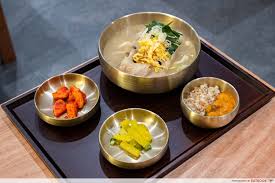
When people think about South Korea’s culinary identity, barbecue and fried chicken often come to mind first. However, noodles hold a far deeper and more historical role in daily life, comfort eating, and regional food traditions. Walking through neighborhoods in Seoul, you will quickly notice that noodle shops are everywhere—from tiny alleyway kitchens to multi-story specialty restaurants. The phrase “Seoul noodle shop” does not refer to just one place; it represents an entire culture of craftsmanship, broth mastery, knife skills, fermentation knowledge, and regional pride. This guide explores everything you need to know about noodle culture in Seoul, from history and varieties to neighborhoods, dining etiquette, hidden gems, pricing, and expert recommendations. Whether you are a traveler planning a food tour or a food enthusiast researching Korean cuisine deeply, this comprehensive guide will help you understand why noodles are central to Seoul’s identity.
The Historical Roots of Noodles in Korea
Korean noodles, known broadly as “guksu” or “myeon,” trace their origins back centuries. Wheat was historically less abundant than rice in Korea, which made noodles somewhat special in earlier eras. They were commonly served during celebrations, weddings, and birthdays because long noodles symbolized longevity and prosperity. Over time, regional climates and trade routes influenced the development of unique noodle styles. Northern regions favored cold buckwheat noodles, while central and southern areas popularized wheat-based knife-cut noodles in hearty broths. As Seoul became the political and economic center of the country, it absorbed regional influences and transformed into a melting pot of noodle traditions. Today, a Seoul noodle shop may serve recipes that originated hundreds of kilometers away, yet they feel local and authentic within the capital’s fast-paced food scene.
Why Noodle Shops Dominate the Seoul Food Scene
Several factors explain the dominance of noodle shops across the city. First, noodles are affordable compared to many other dining options. Second, they are fast to prepare and suitable for solo diners, office workers, students, and families alike. Third, the flexibility of noodles allows chefs to innovate without losing tradition. Broths can be spicy, mild, seafood-based, pork-based, or vegetarian. Toppings can range from simple scallions to elaborate braised meats and handmade dumplings. In busy districts like Myeongdong, noodle shops thrive on high foot traffic. In historic areas like Jongno, old establishments continue serving recipes passed down through generations. This balance between convenience and heritage keeps noodle shops at the heart of Seoul’s dining culture.
Understanding the Main Types of Korean Noodles
Before choosing a noodle shop in Seoul, it helps to understand the primary categories you will encounter. Each type offers a distinct flavor profile, texture, and cultural background.
Kalguksu – Knife-Cut Comfort
Kalguksu translates to “knife noodles.” These thick, slightly uneven wheat noodles are cut by hand from rolled dough. They are typically served in rich anchovy, chicken, or seafood broth. The texture is soft yet chewy, absorbing broth beautifully. Many Seoul noodle shops specialize exclusively in kalguksu, often pairing it with kimchi and handmade dumplings.
Naengmyeon – Chilled Precision
Originating from northern Korea, naengmyeon consists of long, thin buckwheat noodles served in icy broth or with spicy sauce. In summer, these refreshing bowls attract long lines. The cold broth may contain beef stock, radish water kimchi, pear slices, and cucumber. Cutting the noodles with scissors is common because they are intentionally long to symbolize longevity.
Jajangmyeon – Urban Classic
Jajangmyeon features wheat noodles topped with black bean sauce made from fermented soybean paste, pork, and vegetables. Though influenced by Chinese cuisine, it has become deeply rooted in Korean culture. Many noodle shops in Seoul include this dish due to its popularity among students and office workers.
Bibim Guksu – Spicy Simplicity
Bibim guksu is a spicy mixed noodle dish with chili paste sauce, sesame oil, and fresh vegetables. It offers bold flavors and vibrant color. Unlike broth-based noodles, this dish focuses on sauce balance and texture contrast.
Ramyeon Variations
While instant ramyeon is famous globally, Seoul noodle shops often elevate it with fresh ingredients, seafood, cheese, and handmade broth bases. The transformation from packaged noodles to gourmet bowls reflects Seoul’s innovation culture.
Anatomy of an Authentic Seoul Noodle Shop
Although noodle shops vary in size and style, certain characteristics define authenticity. First, you will often see open kitchens where noodles are stretched, cut, or boiled in large pots. Second, side dishes such as kimchi are usually self-served, reflecting Korea’s communal dining tradition. Third, menus are typically concise, focusing on a few perfected recipes rather than extensive options. Wooden tables, stainless steel utensils, and efficient service are common features. High turnover rates mean food is always fresh. The atmosphere may be simple, but the flavors are anything but basic.
Neighborhood Guide to the Best Noodle Experiences
Seoul is vast, and each district offers a different noodle personality. Exploring these neighborhoods helps you understand how local identity influences flavor and presentation.
Jongno – Traditional Foundations
As one of the city’s oldest districts, Jongno is home to family-run noodle shops that have operated for decades. Here you will find classic kalguksu and hand-pulled noodles served in modest dining rooms. Prices are often reasonable, and flavors remain traditional.
Myeongdong – Tourist-Friendly Variety
Myeongdong combines street food energy with established restaurants. Noodle shops here often adapt flavors slightly for international visitors while maintaining authenticity. Expect multilingual menus and visually appealing presentation.
Hongdae – Youthful Innovation
Near university campuses, noodle shops experiment with fusion concepts, creative toppings, and social media-friendly plating. Spicy seafood noodles, cheese-topped ramyeon, and vegan alternatives are common.
Gangnam – Modern Premium
In upscale districts like Gangnam, noodle restaurants sometimes elevate traditional dishes with premium ingredients such as abalone, wagyu beef, or truffle oil. Interiors are sleek, and prices are higher, but quality often justifies the cost.
Namdaemun Market – Street Authenticity
Namdaemun Market offers bustling stalls where noodles are prepared quickly and served piping hot. The environment is loud and energetic, creating an unforgettable culinary memory.
Pricing Expectations in Seoul Noodle Shops
One of the biggest advantages of exploring noodle culture is affordability. Basic bowls typically range from moderate to budget-friendly pricing, depending on location and ingredients. Traditional markets offer lower prices, while premium districts charge more. Add-ons such as dumplings or extra meat increase the total cost slightly. Portion sizes are generous, making noodles excellent value for money.
Dining Etiquette and Cultural Insights
Understanding local etiquette enhances your experience. Slurping noodles is acceptable and sometimes encouraged because it cools hot broth and expresses enjoyment. Sharing side dishes is common, but using serving utensils is polite. Cashless payment options are widely available, though small shops may prefer local payment apps or cards. When finished, placing utensils neatly shows respect.
Seasonal Noodle Preferences
Seoul’s climate influences noodle consumption patterns. In winter, steaming kalguksu or spicy seafood noodles provide warmth and comfort. In summer, chilled naengmyeon dominates menus. Spring and autumn bring balanced demand for both hot and cold varieties. Some noodle shops introduce limited seasonal toppings using fresh vegetables or seafood.
The Role of Broth Mastery
A defining feature of top Seoul noodle shops is broth depth. Anchovy-kelp stock is common for light, savory bases. Pork bone broth requires hours of simmering to achieve creamy richness. Seafood broths balance brininess with umami. Skilled chefs carefully control salt levels, temperature, and clarity to maintain consistency. Broth quality often separates average shops from legendary ones.
Handmade Versus Machine-Made Noodles
Handmade noodles provide texture variation and artisanal character. Slight thickness differences allow better broth absorption. Machine-made noodles ensure uniformity and speed, which suits high-volume shops. Both approaches can be excellent if executed correctly. The key factor is freshness and proper cooking time.
Vegetarian and Halal-Friendly Options
While traditional broths may contain anchovy or beef stock, many modern noodle shops now offer vegetarian alternatives using mushroom or vegetable bases. International districts provide halal-friendly options as well. Checking menus or asking staff helps clarify ingredients.
Noodle Shops and Social Culture
Noodle shops are not just places to eat; they are social spaces. Students gather after classes, office workers enjoy quick lunches, and families meet for casual dinners. The accessibility of noodles makes them inclusive across generations and income levels.
Comparing Seoul Noodle Shops with Other Asian Cities
While Japanese ramen and Chinese lamian are globally famous, Seoul noodle shops distinguish themselves through side dish culture and fermentation depth. Kimchi pairing adds acidity that balances rich broths. Korean chili paste introduces sweet-spicy complexity rarely found elsewhere.
Hidden Gems Versus Famous Establishments
Popular noodle restaurants often draw long queues, especially those featured on travel blogs. However, hidden alleyway shops may deliver equally impressive flavors without crowds. Exploring beyond tourist hotspots increases chances of discovering authentic experiences.
Advanced Tasting Tips for Food Enthusiasts
To evaluate noodle quality like an expert, focus on texture elasticity, broth aroma, oil balance, and ingredient freshness. Observe whether noodles clump together or separate smoothly. Taste broth before mixing condiments to appreciate its original flavor profile. Notice how kimchi complements rather than overwhelms the dish.
Building Your Own Seoul Noodle Food Tour
A well-planned food tour can include breakfast kalguksu in Jongno, lunchtime bibim guksu near universities, afternoon market noodles at Gwangjang Market, and evening premium seafood noodles in Gangnam. Spacing meals allows full appreciation without fatigue. Hydration and light walking between stops enhance comfort.
Common Mistakes Tourists Make
Many visitors only try one noodle type during their trip. Expanding beyond a single bowl provides deeper cultural understanding. Another mistake is adding too much chili paste before tasting the broth. Patience helps you experience authentic flavor layering.
Future Trends in Seoul Noodle Culture
The next phase of noodle innovation may include plant-based proteins, sustainable seafood sourcing, and digital ordering systems. Younger chefs experiment with global flavors while maintaining Korean roots. Social media influence encourages visually striking bowls without compromising taste.
Conclusion – Why Every Food Lover Should Explore Seoul Noodle Shops
Seoul’s noodle culture represents history, community, affordability, craftsmanship, and innovation combined in one bowl. From traditional kalguksu in historic districts to modern fusion creations in trendy neighborhoods, the diversity is remarkable. Exploring multiple shops reveals how subtle variations in broth, texture, and topping create entirely different experiences. A Seoul noodle shop is more than a restaurant; it is a window into Korean culinary identity. Whether you seek comfort, adventure, or cultural immersion, noodles in Seoul deliver unforgettable flavor journeys that reflect the heart and soul of the city.
 Global Arena
  Khubaib Jamil