

 By Singapore Local News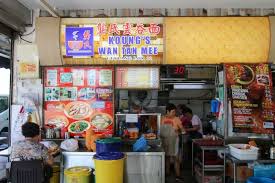
Koung’s Wantan Mee is a celebrated hawker staple that has been delighting food lovers for decades. Known for its tender wantons, springy noodles, and savory char siew, it represents a perfect balance of flavors and textures that has earned it a dedicated following. This article delves deep into the world of Koung’s Wantan Mee, exploring its history, preparation, taste profile, and cultural significance.
History and Legacy
Koung’s Wantan Mee has a rich history that spans over half a century. Founded by passionate hawkers who honed their craft over years, the stall started as a humble pushcart and gradually evolved into a local icon. Its journey reflects the growth of hawker culture in Singapore, showcasing how tradition and innovation can coexist to create an enduring culinary experience.
The Ingredients
The magic of Koung’s Wantan Mee lies in its carefully selected ingredients. Each component contributes to the overall harmony of the dish.
Noodles
The noodles are springy, light, and perfectly cooked to maintain their bite. Made from high-quality flour, they are either served dry with a drizzle of sesame oil and light soy sauce or in a flavorful broth.
Wantons
Handmade wantons are filled with a mixture of minced pork and prawns, seasoned delicately to enhance the natural flavors. The wrappers are thin yet resilient, allowing the filling to shine without overwhelming the palate.
Char Siew
The char siew, or barbecued pork, is marinated with a blend of honey, soy, and Chinese spices, then slow-roasted to achieve a caramelized exterior and succulent interior. The combination of sweet and savory notes is a signature of Koung’s preparation.
Chilli and Condiments
The chilli paste is tangy with a subtle heat, perfectly complementing the rich flavors of the noodles and char siew. Other condiments like pickled green chilies, fried shallots, and spring onions enhance both taste and aroma.
Preparation Techniques
The preparation of Koung’s Wantan Mee is an art form. It involves precise techniques to ensure consistency and excellence.
Noodle Cooking
Noodles are boiled in salted water to the perfect al dente, then immediately rinsed to stop further cooking. This method preserves texture and prevents sogginess.
Wanton Folding
Each wanton is meticulously folded to create a plump, uniform shape. The folding technique ensures the filling remains intact during cooking and provides an appealing presentation.
Char Siew Roasting
Char siew is marinated overnight to absorb the flavors fully. It is roasted at controlled temperatures to prevent burning while achieving a caramelized finish. This slow roasting method locks in moisture and develops depth of flavor.
Assembly
For dry noodles, sesame oil and light soy are mixed thoroughly before topping with char siew and wantons. Soup versions are served with a rich broth simmered from pork bones and seasonings, poured over the noodles just before serving.
Taste and Texture Profile
Koung’s Wantan Mee offers a layered sensory experience.
Noodle Texture
The noodles are firm yet springy, providing a satisfying chewiness that pairs well with the softness of the wantons and the tender char siew.
Flavor Balance
The dish balances sweet, savory, and umami flavors. The sweetness from the char siew, the subtle saltiness of the noodles, and the heat from the chilli paste create a harmonious taste.
Aromatics
Fragrant oils, fresh spring onions, and aromatic shallots contribute to the dish’s inviting aroma, enhancing the overall dining experience.
Comparisons with Other Wantan Mee
Koung’s Wantan Mee stands out due to its meticulous preparation and flavor depth.
Traditional vs Modern Variants
While some modern stalls focus on fusion or overly sweet versions, Koung’s maintains traditional techniques, emphasizing balance and freshness.
Taste Superiority
Compared to other local stalls, Koung’s noodles are consistently springy, char siew is succulent, and wantons are flavorful without being overpowering. This consistency is a hallmark of the brand.
Portion and Presentation
Portions are generous, and presentation is clean and inviting. Each component is thoughtfully arranged, highlighting the care put into the dish.
Cultural Significance
Koung’s Wantan Mee is more than just a dish; it embodies Singapore’s hawker culture.
Heritage and Tradition
It represents a link to the past, preserving cooking methods passed down through generations. Patrons often associate the dish with nostalgia and comfort.
Community Engagement
The stall is a gathering spot where locals meet to enjoy simple yet delicious food. It fosters a sense of community and continuity within the culinary landscape.
Influence on Singaporean Cuisine
Koung’s approach to balance, texture, and flavor has influenced other stalls, setting a benchmark for quality and authenticity in hawker cuisine.
Practical Information
To enhance the dining experience, understanding practical aspects is key.
Location and Accessibility
The stall is strategically located in a well-known hawker center, making it accessible via public transportation and walking from nearby areas.
Operating Hours
Operating hours are set to accommodate morning and lunch crowds, with adjustments during public holidays or special events.
Queue Management
Due to popularity, peak hours may require patience. Customers are advised to plan visits outside peak times to avoid long waits.
Pricing
Prices are reasonable, reflecting both quality and tradition. Options include add-ons like extra char siew or wantons for a slightly higher price.
Tips for First-Time Visitors
Maximizing the experience involves understanding the nuances of the dish and the stall.
Ordering Recommendations
For newcomers, try the classic dry noodles with char siew and wantons. Adjust chilli levels according to tolerance.
Eating Etiquette
Mix noodles gently with sauces to coat evenly. Savor each bite to appreciate the interplay of textures and flavors.
Engaging with Staff
Friendly interactions with the staff can provide insights into preparation and recommendations on the best combinations.
Advanced Insights
For enthusiasts and food scholars, deeper analysis uncovers hidden aspects of Koung’s Wantan Mee.
Ingredient Sourcing
Ingredients are often sourced from specialized suppliers to ensure freshness. The quality of flour, pork, and prawns significantly impacts the final taste.
Cooking Science
Precise temperature control during noodle boiling and char siew roasting ensures consistent texture and flavor. Balancing moisture content prevents sogginess or dryness.
Flavor Layering
The interplay of sesame oil, soy sauce, and chilli paste is carefully calibrated to enhance umami without overpowering natural flavors. Understanding this balance is essential for replication.
Regional Variations
While maintaining authenticity, slight adaptations cater to local taste preferences. Adjustments in sweetness or noodle firmness reflect consumer feedback over time.
Visual Experience
Though the taste is primary, visuals play a supporting role in the overall appeal.
Food Presentation
Noodles are neatly twirled, char siew slices fanned out, and wantons positioned to showcase their plumpness. Garnishes are used sparingly to maintain focus on the main components.
Environment
The stall environment reflects simplicity and cleanliness. Open kitchens allow diners to observe preparation, enhancing trust and engagement.
Photography Tips
For enthusiasts documenting food, natural lighting highlights textures. Close-ups of noodles and char siew capture visual appeal and invite viewers into the experience.
Frequently Asked Questions
What makes Koung’s Wantan Mee special?
Its combination of traditional preparation, high-quality ingredients, and consistent flavor sets it apart.
Can I customize my order?
Yes, diners can request variations in chilli levels, add extra toppings, or choose between dry and soup versions.
Is it suitable for tourists?
Absolutely. While deeply rooted in local culture, the flavors are approachable, making it ideal for first-time visitors.
How does Koung’s compare with other hawker stalls?
Koung’s maintains a balance of authenticity, quality, and portion size that is often superior to other local options.
Conclusion
Koung’s Wantan Mee is a culinary treasure that combines history, technique, flavor, and culture. Its dedication to tradition, attention to detail, and commitment to quality have created a dish that resonates with locals and visitors alike. Whether you are a first-time diner or a seasoned fan, Koung’s Wantan Mee offers an unforgettable sensory journey, a testament to the enduring legacy of Singaporean hawker cuisine.
 Global Arena