

 By Singapore Local News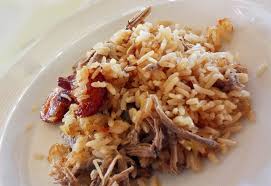
Duck rice is one of the most beloved dishes in many parts of Southeast Asia, particularly in Chinese-influenced culinary traditions. The dish is simple in concept but rich in flavor and history. At its core, duck rice consists of tender duck meat served over fragrant rice and topped with savory sauces that enhance the depth of flavor. While the ingredients appear straightforward, the cooking techniques, preparation styles, and regional variations create a complex and satisfying culinary experience.
The popularity of duck rice has grown over generations because it combines affordable ingredients with bold flavor. Many food lovers appreciate the dish not only for its taste but also for its cultural significance. It represents a connection between traditional Chinese cooking methods and the vibrant food cultures of Southeast Asia. Duck rice stalls are often family businesses passed down through generations, preserving cooking techniques that have remained unchanged for decades.
One of the reasons duck rice stands out among other rice dishes is the way the duck is prepared. Slow braising or roasting allows the meat to become tender while absorbing aromatic spices and sauces. The result is a dish where every bite delivers layers of flavor from the duck, the sauce, and the rice.
What Makes Duck Rice Unique
Duck rice differs from many other poultry-based rice dishes because of the richness of duck meat. Duck contains a higher fat content compared to chicken, which contributes to its deep flavor and juicy texture. This natural richness pairs well with savory sauces and fragrant rice, creating a balanced meal that satisfies both texture and taste preferences.
Another unique characteristic is the cooking method used to prepare the duck. Unlike quick stir-frying or grilling, duck rice usually involves long cooking processes such as braising or roasting. These slow cooking techniques allow spices, soy sauce, and aromatics to penetrate the meat deeply. As a result, the flavor profile becomes more complex.
The dish also often includes complementary elements such as braised eggs, tofu, pickled vegetables, or preserved greens. These additions enhance the meal by introducing different textures and flavors that balance the richness of the duck.
Historical Origins of Duck Rice
The origins of duck rice can be traced back to traditional Chinese culinary practices, particularly within Teochew cuisine. Teochew cooking is known for its emphasis on delicate flavors, slow cooking methods, and the use of soy-based braising liquids. Early versions of duck rice were prepared in southern China where duck farming was common.
As Chinese migrants moved to Southeast Asia, they brought their cooking traditions with them. Over time, local ingredients and cooking styles influenced the original recipes. This blending of cultures led to the development of regional versions of duck rice in places such as Singapore, Malaysia, Thailand, and Indonesia.
In many cities, duck rice became a popular street food because it was affordable and filling. Hawker stalls and small eateries began serving the dish to workers and families looking for quick yet satisfying meals. The simplicity of the dish allowed vendors to focus on perfecting the braising technique and the sauce.
Cultural Significance of Duck Rice
Duck rice is more than just a meal; it represents tradition, community, and culinary heritage. In many Asian cultures, food plays an important role in social gatherings and daily life. Duck rice is often enjoyed during lunch breaks, family outings, or casual dinners.
The dish also reflects the importance of craftsmanship in cooking. Preparing duck rice requires patience and attention to detail. The braising liquid must be carefully balanced to achieve the right level of saltiness, sweetness, and aromatic complexity. Many experienced cooks guard their recipes closely because the sauce is considered the heart of the dish.
Family-run eateries often pass their duck rice recipes from one generation to the next. This tradition preserves the authenticity of the dish and ensures that traditional cooking methods continue to thrive.
Key Ingredients Used in Duck Rice
Understanding the ingredients used in duck rice helps explain why the dish has such a rich and satisfying flavor. Each component plays a specific role in creating the final taste.
Duck Meat
The most important ingredient is obviously the duck itself. The type of duck used can influence the flavor and texture of the dish. Some cooks prefer younger ducks because the meat tends to be more tender, while others prefer mature ducks for their stronger flavor.
Soy Sauce
Soy sauce forms the foundation of the braising liquid used in many duck rice recipes. It provides saltiness, depth, and a dark color that gives the duck its signature appearance.
Spices and Aromatics
Various spices and aromatics are added to enhance the braising liquid. These may include star anise, cinnamon, cloves, garlic, ginger, and pepper. Each spice contributes subtle notes that blend together to create a complex flavor profile.
Rice
The rice served with duck is typically steamed but may also be cooked with broth or yam to add extra fragrance. The rice absorbs the duck sauce, making every bite more flavorful.
Side Ingredients
Many versions of duck rice include additional items such as braised eggs, tofu, pickled vegetables, or preserved mustard greens. These sides help balance the richness of the duck and add variety to the dish.
Traditional Cooking Techniques
The preparation of duck rice involves several steps that require patience and precision. Traditional cooking methods focus on maximizing flavor while maintaining the tenderness of the duck.
Braising Method
Braising is one of the most common methods used to prepare duck for duck rice. The duck is slowly simmered in a mixture of soy sauce, spices, and aromatic ingredients. This process allows the flavors to penetrate the meat deeply.
The braising liquid often becomes thicker and more concentrated as it cooks. Some cooks reuse the same braising liquid repeatedly, allowing it to develop deeper flavors over time.
Roasting Method
Another popular technique involves roasting the duck before slicing it for serving. Roasted duck has crispy skin and a slightly smoky flavor that contrasts with the soft rice. The roasting process requires careful temperature control to ensure that the meat remains juicy.
Sauce Preparation
The sauce is an essential part of duck rice. After the duck is cooked, the braising liquid is often reduced to create a thicker sauce. This sauce is poured over the duck and rice, tying all the flavors together.
Types of Duck Rice
Duck rice comes in several variations depending on the cooking style and regional influence. Understanding these variations helps highlight the versatility of the dish.
Braised Duck Rice
Braised duck rice features duck that has been slow-cooked in soy sauce and spices. The meat becomes extremely tender, and the sauce is rich and aromatic. This version is widely popular in many Southeast Asian cities.
Roasted Duck Rice
Roasted duck rice uses duck that has been roasted until the skin becomes crispy. The meat is sliced thinly and served over rice with a light sauce. The contrast between crispy skin and soft rice makes this version especially appealing.
Yam Duck Rice
In some variations, the rice is cooked with yam cubes. The yam adds sweetness and a slightly creamy texture to the rice, creating a more complex dish.
Mixed Meat Duck Rice
Some stalls offer mixed plates that include duck along with other braised meats such as pork belly or tofu. This variation allows diners to enjoy multiple flavors in a single meal.
Flavor Profile of Duck Rice
Duck rice is known for its balanced combination of savory, aromatic, and slightly sweet flavors. The richness of the duck meat forms the foundation of the dish. Soy sauce contributes saltiness and umami depth, while spices add warmth and complexity.
The rice acts as a neutral base that absorbs the sauce and enhances the overall flavor. Pickled vegetables or preserved greens provide acidity that balances the richness of the duck.
Texture also plays an important role in the dish. The duck meat should be tender, the skin slightly firm or crispy depending on the cooking method, and the rice fluffy yet moist from the sauce.
Step-by-Step Process for Making Duck Rice
Preparing duck rice at home requires careful planning but can be extremely rewarding. The following steps outline a traditional approach to cooking the dish.
Preparing the Duck
The duck should first be cleaned thoroughly. Excess fat may be trimmed, although some fat is desirable because it contributes flavor during cooking.
Making the Braising Liquid
A mixture of soy sauce, water, sugar, garlic, ginger, and spices is prepared in a large pot. The ingredients are simmered to create a fragrant base.
Cooking the Duck
The duck is placed in the braising liquid and cooked slowly over low heat. The cooking process may take several hours to ensure that the meat becomes tender.
Preparing the Rice
While the duck cooks, rice is steamed separately. Some cooks add a small amount of duck broth to the rice for extra flavor.
Serving the Dish
Once the duck is fully cooked, it is removed from the braising liquid and sliced into thin pieces. The slices are arranged over rice and topped with sauce. Side dishes such as braised eggs or tofu may be added.
Regional Variations of Duck Rice
Different regions have adapted duck rice to suit local tastes and ingredients.
Singapore Style
This version often features braised duck served with yam rice and a thick soy-based sauce. Pickled vegetables are commonly included as a side dish.
Malaysian Style
Malaysian duck rice may include herbal notes and a slightly sweeter sauce. Some versions are served with chili sauce for added heat.
Thai Style
Thai variations sometimes incorporate stronger spices and herbs. The dish may also be served with spicy dipping sauces.
Indonesian Style
Indonesian adaptations may include additional spices and coconut-based ingredients that reflect local cooking traditions.
Nutritional Value of Duck Rice
Duck rice provides a combination of protein, carbohydrates, and fats that make it a satisfying meal.
Duck meat is a good source of protein, which supports muscle growth and repair. It also contains essential vitamins and minerals such as iron and vitamin B.
The rice provides carbohydrates that supply energy for daily activities. However, the fat content of duck can make the dish relatively high in calories. Moderation is important for those monitoring their dietary intake.
Tips for Perfect Duck Rice
Use high-quality soy sauce to ensure rich flavor.
Allow the duck to cook slowly so the meat becomes tender.
Balance the sauce by adjusting sweetness and saltiness.
Serve the duck immediately after slicing to maintain moisture.
Use freshly steamed rice to absorb the sauce effectively.
Why Duck Rice Remains Popular
Duck rice continues to be a favorite among food lovers because it combines tradition, flavor, and comfort in a single dish. The dish is satisfying yet simple, making it suitable for both casual meals and special occasions.
Its adaptability has also contributed to its popularity. Different regions have created unique versions while preserving the core elements of the dish. This ability to evolve while maintaining authenticity has helped duck rice remain relevant in modern culinary culture.
Conclusion
Duck rice is a remarkable example of how simple ingredients can be transformed into an unforgettable dish through careful preparation and traditional cooking methods. The combination of tender duck, aromatic rice, and rich sauce creates a meal that satisfies both the palate and the appetite.
From its historical roots in Chinese cuisine to its widespread popularity across Southeast Asia, duck rice has become a symbol of culinary tradition and cultural exchange. Whether enjoyed at a local eatery or prepared at home, the dish continues to bring people together through its comforting flavors and timeless appeal.
 Global Arena