

 By Singapore Local News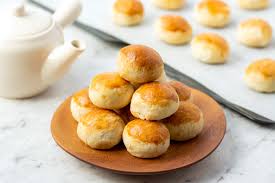
Tau Sar Piah is a traditional pastry that carries deep cultural roots and rich flavour profiles. Known for its layered crust and luscious sweet bean filling, it has become one of the most iconic snacks in Southeast Asian Chinese communities, especially in Penang and Singapore. This guide covers everything you need to know about tau sar piah — its history, ingredients, variations, sensory experience, recipes, cultural significance, and modern evolution.
What Is Tau Sar Piah
Tau Sar Piah is a pastry made with a flaky, layered crust and stuffed with a filling of sweetened mung bean paste. The name “tau sar piah” literally translates from Hokkien dialect where “tau” means bean, “sar” refers to paste, and “piah” means pastry or cake. Though similar to mooncakes in profile, tau sar piah has its own distinct identity:
Key Features
- Layered Dough: Thin, crisp layers that create a texture contrast between crust and filling.
- Sweet Mung Bean Filling: Made from boiled and sweetened mung beans (green gram).
- Compact Shape: Usually round or slightly oval.
- Cultural Staple: Often found in Chinese bakeries and street food markets.
The Origin and History of Tau Sar Piah
Tau sar piah was brought to Southeast Asia by early Chinese settlers from the Fujian and Guangdong regions of China. Over generations, the pastry evolved to match local tastes and baking techniques.
Early Beginnings
Chinese migrant communities adapted their traditional pastry methods using local ingredients and cooking styles. In places like Penang and Singapore:
- Pastries became slightly sweeter.
- Local kitchens created techniques for achieving flakier crusts.
- Tau sar piah became associated with festivals, business gifting, and daily snacks.
Cultural Significance
For many families, tau sar piah is not just food — it symbolizes shared heritage:
- Festivals like Chinese New Year often involve gifting tau sar piah.
- The pastry plays a role in family gatherings.
- Local communities value specific bakeries for generations.
The Anatomy of Tau Sar Piah
Understanding tau sar piah starts with breaking down its components.
The Crust
The outer crust is typically the most distinctive part:
- Layering Technique: Dough is rolled with fat and folded repeatedly to create structure.
- Texture: Crisp yet delicate; flakey layers should separate when bitten.
- Colour: Golden brown once baked.
The Filling
The filling is traditionally made from mung beans:
- Mung Bean Paste: Cooked mung beans blended into a smooth paste.
- Sweetness: Balanced — not overly sugary.
- Optional Savoury Notes: Some regions incorporate light salt to balance sweetness.
Ingredients Breakdown
Below are the common ingredients used to make tau sar piah, and why they matter.
Dough Ingredients
- Flour: All‑purpose flour provides structure.
- Fat: Traditionally lard, modern variations use butter or vegetable shortening.
- Water: Cold water helps create flaky layers.
- Salt: Enhances flavour.
Filling Ingredients
- Mung Beans: The primary ingredient of the paste.
- Sugar: Sweetens the bean paste.
- Oil: Helps make the paste smooth and rich.
- Optional Flavorings: Some bakers add pandan, vanilla, or light salt.
Step‑by‑Step Preparation Process
This section explains the general process bakers follow.
Preparing the Mung Bean Paste
- Soak the Beans: Soak the mung beans for several hours.
- Boil until Soft: Cook until beans are completely tender.
- Mash to Paste: Drain and mash beans into a smooth paste.
- Cook with Sugar and Oil: Stir continually until paste thickens.
- Cool Down: Let the paste set and firm up.
Making the Dough
- Mix Dry Ingredients: Combine flour and salt.
- Add Fat Layer: Incorporate fat and water to form dough.
- Rest the Dough: Allow resting for elasticity.
- Roll and Fold: Layering is done by rolling and folding repeatedly.
Assembling Tau Sar Piah
- Divide Dough and Filling: Equal portions for balance.
- Wrap the Filling: Encase mung bean paste in dough.
- Shape and Flatten: Press into round or oval shapes.
- Bake Until Golden: Oven baking until crust is crisp.
Texture and Flavor Explained
Tau sar piah is loved because of the balance between crust and filling.
Crust Texture
- Flaky: Multiple thin layers.
- Crisp Edges: Slight snap when bitten.
- Soft Interior Layers: Gentle contrast to outer crisp.
Filling Flavor
- Sweet and Earthy: Natural sweetness from mung beans.
- Silky Texture: Smooth yet thick.
- Balanced: Not overwhelmingly sweet.
Variations Across Regions
Different regions have slight variations in how they make tau sar piah.
Penang Style
- Uses traditional methods predating modern refrigeration.
- Often slightly less sweet.
- Prioritizes layers and crispness.
Singapore Style
- Sometimes sweeter.
- Slightly softer crust.
- Bakery houses may have signature styles.
Peranakan Influence
- Some use palm sugar for a richer filling colour.
- Aromatic infusions like pandan may be added.
Dietary Considerations
Although traditional tau sar piah is rich in flavour, modern variations address dietary preferences.
Vegetarian Options
- Replaces lard with vegetable shortening or butter.
- Still achieves flakiness through layering.
Vegan Version
- Uses plant-based fats and ensures no dairy.
- Sugar choice may be vegan certified.
Lower Sugar Variants
- Reduced sugar in the mung bean paste.
- Can be suitable for people mindful of sweetness.
Pairing Tau Sar Piah with Drinks
Tau sar piah is often enjoyed best when paired with complementary drinks.
Tea Pairings
- Chinese Tea: Oolong or pu’er brings out sweetness.
- Green Tea: Light contrast to rich pastry.
- Black Tea: Bold flavours balance richness.
Coffee Pairings
- Local Coffee: Kopi with milk adds creaminess.
- Americano: Clean bitterness offsets sweetness.
Tau Sar Piah in Celebrations
Tau sar piah plays special roles beyond everyday snacking.
Gift‑Giving Tradition
In many Chinese communities, tau sar piah is given:
- During weddings as part of gift trays.
- On festivals to honour family and tradition.
Festive Tables
It appears alongside other traditional snacks:
- Pineapple tarts
- Peanut cookies
- Bak kwa (dried meat slices)
How to Tell Good Tau Sar Piah From Average
When choosing or baking tau sar piah, consider:
Crust Quality
- Even golden colour
- Flaky
- Not greasy
Filling Quality
- Smooth consistency
- Balanced sweetness
- No dry or grainy beans
How to Store Tau Sar Piah
Proper storage maintains freshness.
Short‑Term Storage
- Room Temperature: Up to 3 days in airtight container.
Long‑Term Storage
- Freezing: Wrap individually and freeze up to one month.
- Reheat: Oven or air fryer to bring back crispness.
Common Mistakes in Making Tau Sar Piah
Avoiding these ensures a better final product.
Dough Too Soft
- Prevents proper layering.
- Solution: Chill dough before shaping.
Filling Too Moist
- Can leak during baking.
- Solution: Cook paste until thick.
Uneven Baking
- Edges overbaked, center underdone.
- Solution: Rotate tray halfway.
Modern Innovations
Contemporary bakeries experiment with new styles.
Infused Flavours
- Matcha
- Chocolate
- Coffee bean paste
Mini Versions
Smaller bite‑sized tau sar piah for:
- Parties
- Sampling boxes
Fusion Fillings
- Sweet potato paste
- Red bean mash
- Chestnut
Famous Bakeries Known for Tau Sar Piah
Some shops are world‑renowned for their versions of this pastry.
Heritage Bakeries
Long‑standing shops with:
- Legacy recipes
- Traditional methods
Artisan Bakeries
Modern bakeries using:
- High quality ingredients
- Creative twists
 Global Arena