

 By Singapore Local News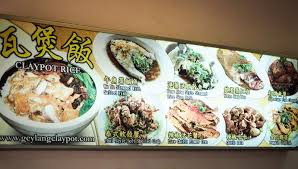
Geylang Claypot Rice is a culinary gem in Singapore, known for its rich aroma, tender textures, and perfectly balanced flavors. This iconic dish is cherished by both locals and tourists seeking an authentic taste of traditional Singaporean cuisine. Originating from humble beginnings, claypot rice has evolved into a cultural staple, combining the essence of home-cooked meals with the artistry of professional cooking. The unique cooking method, which involves slow-cooking rice and ingredients over charcoal in a claypot, gives the dish its distinctive smoky flavor and crispy rice crust, making it a must-try for anyone exploring Singapore’s food scene.
History and Cultural Significance
Claypot rice has a long history in Southeast Asian cuisine, with its roots tracing back to Chinese culinary traditions. The Geylang variant stands out due to its meticulous preparation and use of high-quality ingredients. Traditionally, families would prepare claypot rice in their homes, but over time, the dish became popular in hawker centers and specialty restaurants. The cultural significance of Geylang Claypot Rice lies in its ability to evoke nostalgia and comfort, reminding diners of home-cooked meals infused with love and patience.
The dish has also become a symbol of Singapore’s rich food heritage, showcasing the fusion of Chinese techniques with local flavors. Its enduring popularity reflects the community’s appreciation for traditional cooking methods and the celebration of culinary craftsmanship.
Signature Ingredients and Flavor Profiles
Geylang Claypot Rice features a harmonious combination of ingredients that contribute to its signature taste. Key components include:
- Rice: The foundation of the dish, typically jasmine or long-grain rice, is soaked and cooked slowly in a claypot to achieve a slightly crispy crust while remaining tender inside.
- Meat: Common choices include chicken, Chinese sausage, and marinated pork. The meat is often pre-seasoned to enhance flavor during the slow-cooking process.
- Vegetables: Mushrooms, leafy greens, and aromatics like garlic and ginger are added to complement the protein and rice.
- Seasonings: Soy sauce, dark soy sauce, sesame oil, and Shaoxing wine are commonly used, creating a balanced umami-rich profile.
- Toppings: Fresh herbs, fried shallots, and chili slices provide texture, aroma, and visual appeal.
The interplay of these ingredients, combined with the cooking technique, results in a dish that is simultaneously savory, aromatic, and texturally complex. Each bite offers a delightful contrast between the crispy rice and the tender, flavorful fillings.
Cooking Techniques and Methods
The cooking method is central to the uniqueness of Geylang Claypot Rice. The traditional process involves several key steps:
Preparing the Claypot
The claypot must be soaked in water to prevent cracking during cooking. Proper preheating ensures even heat distribution.
Layering Ingredients
Rice is placed at the bottom of the claypot, followed by meats and vegetables. This layering allows flavors to meld as they cook, while the heat from the claypot creates a crispy crust at the base.
Slow-Cooking Over Charcoal
Charcoal imparts a subtle smoky flavor that is essential to the dish’s identity. Maintaining consistent heat is crucial for achieving the right texture and ensuring the rice cooks evenly.
Incorporating Seasonings
Sauces and seasonings are added towards the end of cooking to enhance the flavors without overpowering the natural taste of the ingredients.
Final Touches
Fresh herbs, fried shallots, and condiments are added before serving, providing both visual appeal and an additional layer of flavor.
Flavor and Texture Experience
The defining characteristic of Geylang Claypot Rice lies in its multi-layered sensory experience. Diners encounter:
- Aromatic Appeal: The scent of slow-cooked rice mingling with marinated meats and soy-based sauces.
- Textural Contrast: The combination of tender rice, crisped edges, and succulent meats.
- Taste Complexity: Layers of savory, umami-rich flavors balanced with aromatic seasonings.
- Visual Presentation: Vibrant vegetables, golden crispy rice, and garnishes create an inviting plate.
This harmony of sensory elements contributes to the dish’s enduring popularity and makes it a memorable culinary experience.
Popular Variations
While the traditional Geylang Claypot Rice recipe remains the most celebrated, several variations have emerged to cater to diverse palates:
- Seafood Claypot Rice: Incorporates prawns, scallops, and fish for a delicate, oceanic flavor.
- Vegetarian Claypot Rice: Uses tofu, mushrooms, and seasonal vegetables, offering a flavorful meat-free option.
- Spicy Claypot Rice: Adds chili paste or fresh chilies to introduce heat without compromising the dish’s integrity.
- Fusion Variants: Some modern chefs experiment with non-traditional ingredients like cheese or kimchi to create innovative twists.
Each variation retains the essential cooking method and layered flavor structure, ensuring that the essence of claypot rice is preserved.
Notable Geylang Claypot Rice Establishments
Several establishments in Geylang have gained recognition for their exceptional claypot rice:
- Heritage Hawker Stall: Known for maintaining traditional cooking methods and family recipes.
- Modern Claypot Restaurants: Blend contemporary culinary techniques with traditional flavors, offering a refined dining experience.
- Specialty Chains: Focus on consistency, efficient service, and catering to larger audiences while preserving flavor authenticity.
These establishments contribute to Geylang’s reputation as a destination for high-quality claypot rice, drawing both local and international food enthusiasts.
Practical Dining Tips
To maximize the dining experience at Geylang Claypot Rice outlets, consider the following tips:
- Pre-Ordering: Due to slow cooking times, pre-ordering ensures prompt service.
- Optimal Timing: Visiting during off-peak hours reduces wait times and allows for a relaxed dining experience.
- Portion Selection: Consider sharing larger portions to sample multiple dishes.
- Pairing Recommendations: Accompany the meal with light soups or stir-fried vegetables to balance flavors.
- Ordering Signature Dishes: Focus on specialty claypot rice varieties that the restaurant is renowned for.
These practical strategies enhance the overall experience and ensure diners can fully appreciate the dish.
Health and Nutritional Insights
Geylang Claypot Rice, while indulgent, can be enjoyed as part of a balanced diet:
- Protein-Rich: Inclusion of meats, seafood, and tofu provides essential amino acids.
- Vegetable Content: Mushrooms and leafy greens contribute vitamins, minerals, and fiber.
- Low in Processed Ingredients: Traditional preparation relies on fresh ingredients and minimal additives.
- Customizable Portions: Diners can adjust portion sizes and ingredient combinations to align with dietary preferences.
Understanding the nutritional profile helps diners make informed choices and enjoy the dish responsibly.
Comparative Analysis with Other Claypot Rice Variants
Geylang Claypot Rice distinguishes itself through:
- Charcoal-Cooked Flavor: Adds depth and authenticity not always present in modern alternatives.
- Ingredient Quality: Focuses on freshness and careful selection of meats and vegetables.
- Cooking Technique: Traditional layering and slow cooking create a unique texture contrast.
- Cultural Roots: Maintains strong ties to Singaporean culinary heritage, offering a more authentic experience.
Comparing these factors with other regional variants highlights why Geylang Claypot Rice remains a benchmark for quality and flavor.
Pairing and Serving Suggestions
Enhance the dining experience with thoughtful pairings:
- Beverages: Light teas or mild beers complement the savory flavors without overpowering them.
- Side Dishes: Stir-fried greens, pickled vegetables, or simple soups provide balance.
- Condiments: Soy sauce, chili paste, and sesame oil can be offered for personalized flavor enhancement.
- Serving Style: Present in the claypot to preserve heat and aroma, enhancing both taste and visual appeal.
These pairing suggestions ensure that every meal is a harmonious and satisfying experience.
Innovations and Modern Trends
Recent trends in the claypot rice scene include:
- Sustainable Ingredients: Emphasis on locally sourced, organic produce.
- Dietary Adaptations: Vegan, low-sodium, and gluten-free versions.
- Digital Engagement: Online ordering, delivery options, and social media promotion.
- Fusion Techniques: Incorporation of international flavors while maintaining the claypot cooking essence.
These innovations help the dish stay relevant and appeal to a broader, modern audience without compromising traditional values.
Conclusion
Geylang Claypot Rice is more than just a meal; it is a cultural experience that captures the essence of Singaporean cuisine. Its unique cooking method, rich flavors, and sensory appeal make it a standout dish in both local and international culinary scenes. By understanding its history, ingredients, techniques, and variations, diners can fully appreciate the depth and craftsmanship behind each claypot. Whether enjoyed at a traditional hawker stall or a modern restaurant, Geylang Claypot Rice remains a testament to the enduring appeal of carefully prepared, authentic food.
The dish’s adaptability, combined with opportunities for innovation and cultural storytelling, ensures that it will continue to captivate food enthusiasts for generations to come. For anyone exploring Singapore’s culinary landscape, Geylang Claypot Rice represents an essential experience, offering both comfort and delight in every bite.
 Global Arena