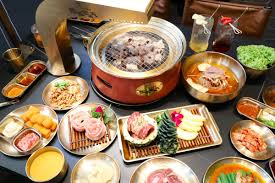
Bugis, located in the heart of Singapore, is a vibrant district known for its bustling streets, shopping centers, and, most importantly, its diverse food scene. From traditional hawker stalls to modern cafes, the area offers a variety of dishes that cater to locals and tourists alike. Exploring Bugis through its food gives a unique insight into the city’s culture, flavors, and culinary heritage.
Introduction to Bugis Food
The food in Bugis is a reflection of Singapore’s multicultural landscape. You can find Malay, Chinese, Indian, and fusion dishes in a single street. The hawker centers and restaurants serve both iconic dishes familiar to Singaporeans and innovative creations that attract food enthusiasts. Bugis is also home to lesser-known gems that locals frequent, offering authentic flavors at affordable prices.
Understanding Bugis food requires knowing both the street food staples of Singapore and the traditional dishes influenced by the Bugis ethnic group from Indonesia. While most food guides focus on popular local dishes, exploring traditional Bugis cuisine adds depth and uniqueness to the culinary experience.
Must-Try Dishes in Bugis
Laksa
Laksa is a spicy noodle soup that combines a rich coconut milk base with aromatic spices and a choice of seafood or chicken. The texture of the noodles, the creaminess of the broth, and the balance of flavors make it one of the most beloved dishes in Bugis. Popular spots serve laksa with prawns, cockles, and tofu puffs, creating a harmonious combination of taste and texture.
Satay
Satay is a skewered and grilled meat dish served with peanut sauce. In Bugis, street vendors offer chicken, beef, and lamb satay marinated in spices that enhance their flavor when grilled. The accompanying peanut sauce is thick and sweet, complementing the smoky flavor of the meat. Satay is typically enjoyed with rice cakes and fresh cucumbers, creating a satisfying snack or meal.
Char Kway Teow
Char Kway Teow is a stir-fried noodle dish that combines flat rice noodles with eggs, Chinese sausage, prawns, and bean sprouts. The dish is known for its smoky aroma achieved through high-heat wok cooking. Vendors in Bugis often add local touches, such as fresh seafood or chili paste, making each stall’s version unique.
Nasi Lemak
Nasi Lemak is a fragrant rice dish cooked in coconut milk and pandan leaves, often accompanied by sambal, fried anchovies, peanuts, and boiled eggs. In Bugis, you can find both traditional versions and creative interpretations, including fried chicken or spicy sambal prawns, catering to both traditionalists and adventurous eaters.
Kaya Toast
Kaya toast is a traditional breakfast item consisting of toasted bread spread with kaya, a coconut and egg jam, and served with soft-boiled eggs and coffee. Many cafes and hawker stalls in Bugis serve kaya toast as a nostalgic dish that captures Singapore’s heritage, perfect for starting a day of culinary exploration.
Traditional Bugis Cuisine
Beyond the well-known Singaporean street food, Bugis cuisine from South Sulawesi, Indonesia, offers unique dishes that are not commonly found in typical food guides.
Burasa
Burasa is a coconut rice dumpling wrapped in banana leaves. It is traditionally served during celebrations or religious events. The rice is rich and aromatic, often paired with spicy beef or chicken rendang, creating a blend of flavor and texture that is distinct to the Bugis culture.
Barobbo
Barobbo is a type of porridge made with sticky rice and coconut milk, sometimes enhanced with palm sugar or local spices. It is often eaten as a dessert or breakfast item and is appreciated for its creamy texture and naturally sweet flavor.
Kapurung
Kapurung is a sago-based dish mixed with vegetables, seafood, or chicken. It is a traditional Bugis dish that highlights local ingredients and cooking methods. The texture is gelatinous and chewy, making it a unique experience for anyone accustomed to typical rice or noodle-based dishes.
Bugis Desserts
Traditional Bugis sweets, often made from rice, coconut, and palm sugar, include delicacies like kue bugis and wajik. These desserts are rich in texture and flavor, offering a sweet conclusion to any Bugis-inspired meal.
Hawker Centers and Street Food Spots
Bugis is home to several hawker centers and food streets where you can find a variety of dishes under one roof. Popular spots include:
- Albert Centre Market: Known for classic Singaporean dishes at affordable prices.
- Bugis Street Food Alley: Offers a mix of traditional and modern street food.
- Arab Street and Haji Lane Cafes: Blend Middle Eastern and local flavors for unique dining experiences.
Exploring these areas allows food lovers to experience multiple flavors in a short time, from spicy noodles to sweet treats.
Food Maps and Itineraries
Planning a food tour in Bugis can enhance the experience and ensure you do not miss any culinary highlights. A sample itinerary could include:
- Breakfast at a kaya toast café
- Mid-morning laksa from a hawker stall
- Lunch at a char kway teow stall
- Afternoon snacks like satay or traditional Bugis sweets
- Dinner at a modern fusion restaurant
Food maps highlighting hawker centers, cafes, and street food vendors can help visitors navigate Bugis efficiently and enjoy a comprehensive culinary journey.
Tips for Exploring Bugis Food
- Go early for popular stalls to avoid long queues.
- Bring cash as many hawker stalls do not accept cards.
- Explore both main streets and small alleys to find hidden gems.
- Don’t be afraid to try dishes outside your comfort zone, including traditional Bugis cuisine.
- Pair dishes with local drinks like teh tarik or fresh coconut water for an authentic experience.
Conclusion
Bugis is more than just a shopping district; it is a hub for food enthusiasts looking to explore diverse flavors, textures, and culinary traditions. From iconic Singaporean street food to traditional Bugis dishes, the area offers something for every palate. By combining knowledge of local favorites with the richness of Bugis ethnic cuisine, visitors can create a truly memorable food journey. With strategic planning, food maps, and a willingness to try both modern and traditional dishes, anyone can experience the best of Bugis food and uncover hidden culinary treasures.