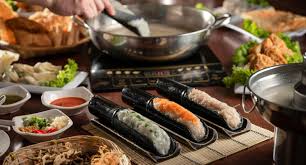
Teochew Traditional Seafood Steamboat is more than just a meal—it is a culinary tradition that brings people together around a simmering pot of fresh seafood and rich broth. Originating from the Teochew region in eastern Guangdong, China, this style of steamboat emphasizes light seasoning, fresh ingredients, and a careful balance of flavors. It has become a favorite for family gatherings, celebrations, and those who appreciate the art of seafood preparation.
Origins and Cultural Significance
The roots of Teochew Seafood Steamboat trace back to Teochew immigrants who settled in Southeast Asia, bringing with them the techniques and flavors of their homeland. Unlike spicy hotpots from other regions, the Teochew version is subtle, focusing on the natural taste of the seafood. The dish reflects the Teochew philosophy of cooking, which prioritizes freshness, minimal seasoning, and a respect for natural flavors.
Traditionally, Teochew families would use leftover fish heads or bones to create a nourishing broth. This practice not only maximized resources but also created a rich, flavorful base for the steamboat. Today, this dish has evolved into a communal dining experience enjoyed in both homes and restaurants.
Essential Ingredients for Authentic Flavor
Creating an authentic Teochew Seafood Steamboat requires careful selection of ingredients. Freshness is paramount, as the subtle flavor of the broth depends entirely on the quality of the seafood. Some of the most important components include:
Seafood Selection
- Fish heads and fillets: Red grouper, pomfret, and snapper are preferred for their firm texture and natural sweetness.
- Shellfish: Prawns, clams, and crab add layers of umami.
- Squid and cuttlefish: These contribute a chewy texture and absorb the flavors of the broth.
Broth Essentials
- Yam: Adds a creamy texture and subtle sweetness.
- Sour plums: Used to balance the natural sweetness of the seafood and enhance depth of flavor.
- Dried flatfish and fish bones: Slow-cooked to release natural gelatin and minerals.
- Ginger and garlic: Provide warmth and aroma without overpowering the seafood.
Additional Ingredients
- Tofu, mushrooms, and leafy greens act as complementary textures and absorb the flavorful broth.
- Light soy sauce, a pinch of white pepper, and Shaoxing wine are used sparingly to season.
The Cooking Vessel
The steamboat pot itself plays a critical role. Traditionally, a metal pot with a central chimney is placed over a charcoal fire. The chimney helps distribute heat evenly, ensuring the broth simmers gently. Modern electric or gas hotpots are convenient alternatives but may slightly alter the flavor compared to charcoal.
The simmering process is key. The broth should be heated slowly to extract maximum flavor from the fish heads and bones. Rapid boiling can cause the seafood to become tough and release excess proteins, which may cloud the broth.
Step-by-Step Preparation
Preparing Teochew Seafood Steamboat requires a combination of technique and timing:
- Prepare the broth: Start with fish heads, dried flatfish, and ginger. Simmer slowly for at least 30–45 minutes until the broth turns milky.
- Add aromatics: Introduce sour plums, yam, and light seasoning. Adjust flavor gradually.
- Prepare the seafood: Clean and cut seafood into uniform pieces for even cooking.
- Arrange the ingredients: Place vegetables, tofu, and seafood on a platter for communal serving.
- Simmer at the table: Guests cook seafood in the simmering broth, allowing each ingredient to retain its texture and flavor.
Techniques for Maximum Flavor
Achieving the perfect balance in Teochew steamboat requires attention to detail:
- Layering flavors: Add ingredients in stages; start with bones and firm vegetables, then soft items and seafood.
- Maintaining heat: The broth should be kept at a gentle simmer, not a rolling boil.
- Freshness check: Only use the freshest seafood to prevent overpowering the delicate broth.
- Minimal seasoning: Let the natural flavors shine, enhancing rather than masking them.
Dining Experience and Etiquette
Teochew steamboat is a social meal. Families and friends gather around the pot, adding ingredients in rotation and sharing the freshly cooked seafood. It emphasizes patience, conversation, and appreciation of flavors. Traditionally, the fish head is reserved for the eldest or most honored guest, symbolizing respect and hospitality.
Communal dipping sauces are optional. While some diners enjoy a light soy sauce with chopped chili and garlic, others prefer the broth’s unadulterated taste. Serving rice alongside the steamboat is common, as it balances the rich flavors of the seafood broth.
Home Cooking vs. Restaurant Experience
While restaurants often specialize in signature broths and premium seafood, cooking at home allows for customization:
- Home version: Use electric or gas hotpot, substitute with available seafood, and adjust seasoning to taste.
- Restaurant experience: Charcoal pots, larger variety of seafood, and professional preparation techniques offer a more authentic, immersive experience.
Restaurants may also provide additional ingredients like fish paste, handmade meatballs, or seasonal shellfish. Presentation is often emphasized, with vibrant spreads of seafood and vegetables.
Common Mistakes to Avoid
When preparing Teochew Seafood Steamboat, there are several pitfalls to avoid:
- Boiling the broth too rapidly, which can make it cloudy and reduce flavor clarity.
- Using frozen or low-quality seafood, which can compromise taste and texture.
- Overcrowding the pot, causing uneven cooking.
- Adding heavy seasoning that masks the delicate flavors of seafood.
Health Benefits
Teochew steamboat is not only delicious but also nutritious:
- Rich in protein: Seafood provides lean, high-quality protein.
- Collagen source: Fish heads release natural gelatin and collagen, promoting joint and skin health.
- Low-fat cooking: Simmering preserves nutrients without excessive oil.
- Balanced diet: Vegetables, tofu, and seafood provide vitamins, minerals, and antioxidants.
Popular Variations
Though the traditional style is most celebrated, modern variations have emerged:
- Spicy Teochew steamboat: Includes mild chili paste for heat while retaining the original broth base.
- Vegetarian adaptation: Uses vegetable broth with tofu, mushrooms, and soy-based seafood alternatives.
- Mini hotpot servings: Individual portions allow diners to customize their ingredients and cooking time.
Ingredient Sourcing Tips
To ensure authenticity and quality:
- Purchase seafood from reputable fishmongers or wet markets.
- Look for firm, shiny fish with clear eyes and fresh smell.
- Select seasonal vegetables and tofu for optimal flavor absorption.
- Sour plums and dried flatfish can be found in specialty Chinese grocers.
Conclusion
Teochew Traditional Seafood Steamboat is more than just a hotpot—it is a celebration of freshness, subtle flavors, and communal dining. Its delicate broth, carefully selected seafood, and cultural heritage make it a unique culinary experience. Whether enjoyed in a restaurant or prepared at home, it embodies the essence of Teochew cooking philosophy: respect for ingredients, simplicity, and harmony of flavors. With attention to detail and proper preparation, anyone can create a memorable Teochew seafood steamboat experience that delights both the palate and the soul.