

 By Singapore Local News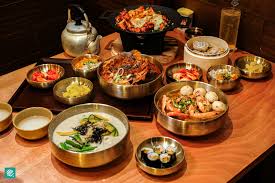
Seoul noodle shop, the vibrant heart of South Korea, is not only famous for its historic palaces, bustling streets, and K-pop culture but also for its rich culinary traditions. Among these, noodles hold a special place, reflecting the city’s history, regional flavors, and modern innovations. From handmade knife-cut noodles to chilled summer delicacies, Seoul offers a variety of experiences for noodle enthusiasts.
Visiting Seoul and exploring its noodle offerings is like taking a journey through centuries of food culture, where every dish tells a story of local ingredients, craftsmanship, and communal dining.
Key Types of Noodles to Try in Seoul
Seoul noodle shop is home to many noodle varieties, each with distinct textures, flavors, and preparation techniques. Understanding these types enhances the dining experience.
Kalguksu – Handmade Knife-Cut Noodles
Kalguksu, literally meaning “knife noodles,” is a traditional dish featuring soft wheat noodles cut by hand and served in a clear, savory broth. Typically, the broth is made from anchovies, kelp, or chicken, resulting in a delicate but flavorful base.
Kalguksu is often served with seasonal vegetables and sometimes seafood or chicken. Its soft, slightly chewy texture and aromatic broth make it a comforting dish, especially during colder months. Regional variations exist, such as seafood kalguksu near coastal areas, providing unique flavor profiles.
Jajangmyeon – Black Bean Noodles
Although originally inspired by Chinese cuisine, jajangmyeon has become a staple of Seoul’s noodle scene. This dish features thick wheat noodles topped with a rich black bean paste sauce, often mixed with diced pork and vegetables.
Jajangmyeon is deeply embedded in Korean culture, commonly associated with delivery meals and communal dining. The dish demonstrates Seoul’s adaptability in embracing foreign flavors while creating distinctly local interpretations.
Naengmyeon – Chilled Buckwheat Noodles
Naengmyeon is a beloved summer dish, offering a refreshing experience with its cold, chewy noodles made from buckwheat or sweet potato starch. Served in icy broth with slices of beef, cucumbers, and boiled egg, it provides a perfect balance of texture and flavor.
This dish highlights Seoul’s appreciation for seasonal cuisine, and each region may offer subtle differences in noodle thickness, broth seasoning, and garnishes.
Ramyeon – Spicy Instant-Inspired Dishes
While instant ramen has gained global popularity, Seoul’s restaurants offer gourmet versions of ramyeon with fresh ingredients and bold spices. Chefs often use rich broths, homemade chili pastes, and toppings like seafood, kimchi, or soft-boiled eggs.
This approach combines convenience with creativity, transforming a simple noodle soup into a layered culinary experience that appeals to locals and tourists alike.
Must-Visit Noodle Districts in Seoul
Seoul’s urban layout has naturally created clusters of noodle-specialty restaurants, each offering a unique ambiance and flavor focus.
Myeongdong – Modern Fusion and Street Flavors
Myeongdong is a bustling shopping district where noodles are often served as street food and in casual eateries. Here, visitors can try quick yet high-quality options, including spicy tteokbokki-inspired noodle bowls or seafood kalguksu.
The district is ideal for travelers seeking an energetic atmosphere combined with the convenience of grabbing a quick meal while exploring local shops.
Insadong – Traditional and Artisanal Noodles
Insadong provides a calmer environment with restaurants focusing on traditional recipes. Many establishments here prioritize hand-prepared noodles, authentic broths, and elegant presentations. It’s an area where diners can appreciate the craftsmanship and cultural history behind each dish.
Gangnam – Trendy Noodles and Innovative Styles
Gangnam has emerged as a hotspot for modern interpretations of classic noodles. Fusion dishes, such as cheese-covered ramyeon or spicy seafood kalguksu, cater to younger audiences and adventurous eaters. This district showcases Seoul’s ability to innovate while honoring tradition.
How to Choose the Perfect Noodle Dish
Navigating Seoul’s noodle offerings can be overwhelming. A few tips help ensure a satisfying dining experience:
- Consider the season – Chilled noodles like naengmyeon are refreshing in summer, while hot broths like kalguksu are comforting in winter.
- Check ingredient sourcing – High-quality restaurants often highlight local vegetables, fresh seafood, or handmade noodles.
- Observe portion sizes – Korean noodle dishes can vary; some are shareable, others intended as personal servings.
- Ask for recommendations – Many restaurants have signature dishes, often praised by locals rather than heavily advertised.
Nutritional Insights and Health Benefits
Noodles in Seoul are not just about taste; they offer nutritional variety based on ingredients and preparation.
- Buckwheat noodles provide high fiber and essential amino acids, supporting digestion and cardiovascular health.
- Seafood-based broths supply omega-3 fatty acids and essential minerals.
- Vegetable-rich toppings contribute antioxidants and vitamins, balancing the dish’s richness.
- Portion awareness is key, as some noodles can be calorie-dense due to oils or sauces.
By choosing dishes thoughtfully, diners can enjoy flavorful noodles without compromising on nutrition.
Cultural Etiquette and Dining Tips
Understanding local customs enhances the experience:
- Slurping is acceptable – It shows appreciation for the noodles and is common in Korean dining.
- Sharing is common – Some noodle dishes are meant for communal eating; consider ordering multiple dishes for variety.
- Wait for the broth to cool slightly – Hot noodle soups can burn if eaten too quickly.
- Respect local seating – Traditional restaurants may have floor seating; shoes are removed before entering.
These simple practices ensure a respectful and immersive culinary experience.
Hidden Gems and Lesser-Known Noodle Experiences
Beyond popular areas, Seoul offers numerous hidden noodle spots:
- Local markets – Small stalls often specialize in a single dish perfected over decades.
- University districts – Affordable and creative noodles cater to younger crowds, offering spicy or experimental flavors.
- Backstreet eateries – Neighborhood restaurants often provide authentic tastes away from tourist hubs.
Exploring these locations allows for authentic encounters and memorable flavors.
Tips for Making Noodles at Home Inspired by Seoul
For those who want to recreate Seoul-style noodles:
- Use fresh or high-quality dried noodles – Texture is key.
- Prepare broth carefully – Slow-simmered broths enhance depth and umami.
- Balance flavors – Sweet, salty, spicy, and sour elements should complement one another.
- Toppings matter – Fresh vegetables, eggs, and proteins elevate the dish.
- Experiment with fusion – Incorporate local ingredients while maintaining traditional techniques.
Homemade noodles can be a rewarding way to appreciate the artistry behind Seoul’s cuisine.
Conclusion
Seoul’s noodle culture offers a remarkable mix of history, flavor, and innovation. From traditional knife-cut kalguksu to modern fusion ramyeon, the city provides an endless culinary adventure. By exploring key districts, understanding seasonal dishes, and embracing local dining etiquette, visitors and food enthusiasts can enjoy an authentic and memorable experience.
Whether tasting noodles at a bustling street stall, a traditional teahouse, or crafting them at home, the essence of Seoul’s noodles lies in the combination of quality ingredients, careful preparation, and cultural appreciation.
 Global Arena