

 By Singapore Local News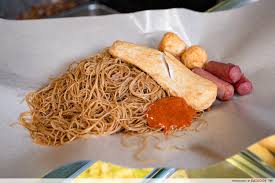
Economic bee hoon has long been a staple of Singaporean breakfasts, cherished for its simplicity, affordability, and nostalgic charm. Known for its thin rice vermicelli stir-fried with light seasonings, vegetables, and sometimes eggs or meat, economic bee hoon is a dish that represents the everyday culinary culture of Singapore. Despite being labeled “economic,” the dish offers rich flavors and a comforting start to the day for locals and visitors alike.
Origins and Cultural Significance
The term “economic” in economic bee hoon reflects its affordability, especially during the early days when hawker centers were the primary source of quick meals for workers. Initially created to provide a filling breakfast without breaking the budget, economic bee hoon became popular across various neighborhoods.
Cultural checkpoints:
- Symbol of daily Singaporean life, often linked to childhood memories.
- Found in almost every hawker center, reflecting the communal dining culture.
- Represents adaptability; recipes evolved based on ingredient availability and dietary preferences.
Key Ingredients and Preparation
The simplicity of economic bee hoon lies in its core ingredients. While variations exist, most versions include:
- Rice vermicelli (thin, lightly dried noodles)
- Garlic, onions, or shallots for aromatic flavor
- Eggs, tofu, or small portions of fish cake for protein
- Leafy vegetables such as cabbage or choy sum
- Light soy sauce or fish sauce for seasoning
Preparation process:
- Heat oil in a wok and sauté garlic until fragrant.
- Add eggs or protein and lightly scramble.
- Toss in pre-soaked rice vermicelli.
- Add vegetables and seasoning, stirring quickly to avoid sogginess.
- Serve hot, often with a side of pickled chili or fried shallots.
Advanced tips:
- Soaking vermicelli in warm water ensures even texture.
- Using high heat during stir-frying enhances aroma and prevents clumping.
- Minimal oil usage keeps the dish light while maintaining flavor.
Economic Bee Hoon Variations Across Singapore
Although the core recipe remains consistent, regional and stall-specific variations are notable:
Northern Variants
- Use local greens like kai lan or morning glory.
- Slightly sweeter seasoning to complement seafood additions.
Central Hawker Centers
- Protein-heavy versions with more eggs or sliced luncheon meat.
- Often served with sambal or chili paste for added spiciness.
Eastern Variants
- Emphasis on soy-based seasoning with fried shallots topping.
- Sometimes paired with side dishes like fried fish or tau pok.
Checkpoint: Variation in portion size, seasoning intensity, and accompaniments reflects the local preferences and demographic trends of different neighborhoods.
Nutritional Profile
Economic bee hoon is generally considered a light and balanced breakfast. While it is carb-centric due to the rice vermicelli, it contains moderate protein and vegetables.
Approximate nutritional breakdown per serving (200g):
- Calories: 250–300 kcal
- Carbohydrates: 40–45g
- Protein: 7–10g
- Fat: 6–8g
- Fiber: 2–3g
Advanced insight: Substituting white rice vermicelli with wholegrain or brown rice vermicelli can improve fiber content and lower glycemic index, making it suitable for health-conscious diners.
Economic Factors Influencing Price
Despite being labeled as “economic,” prices of bee hoon have shifted over the years due to rising ingredient costs, rent in hawker centers, and labor. Historically, a plate could cost as low as S$1.50 in the 1980s; today, typical prices range from S$3.50 to S$5.50 per plate depending on stall popularity and portion size.
Price trends checkpoint:
- 1980s–1990s: S$1.50–S$2.50
- 2000s: S$2.50–S$3.50
- Current: S$3.50–S$5.50
- Premium variations with additional protein or larger portions: up to S$7.00
The affordability factor continues to make it a favorite for students, office workers, and retirees, maintaining its reputation as a budget-friendly meal.
Best Practices for Ordering
Ordering economic bee hoon may seem simple, but some key tips ensure the best experience:
- Timing: Arrive early to avoid long queues, as popular stalls often sell out quickly.
- Customization: Specify your preferences for protein, spice level, and vegetable portion.
- Pairings: Complement the dish with a cup of kopi or soya milk for a traditional Singaporean breakfast.
- Sharing: Ordering multiple small plates allows sampling across flavors if dining in a group.
Checkpoint: Understanding local portion norms and seasonal vegetable availability enhances dining satisfaction.
Popular Stalls and Signature Offerings
While every hawker center has its version, some stalls are renowned for their economic bee hoon:
- Mei Wei Bee Hoon: Known for perfect balance of seasoning and springy noodles.
- Joo Chiat Economic Bee Hoon: Features slightly sweet soy-based sauce with crunchy shallots.
- Tanjong Pagar Breakfast Spot: Offers larger portions with extra protein toppings, popular among office workers.
Visual insight: These stalls emphasize presentation with neatly arranged noodles, bright vegetable colors, and minimalistic garnishes.
Regional Comparison
While Singapore dominates discussions on economic bee hoon, similar dishes exist in Malaysia, often with subtle differences:
- Malaysian versions may include ikan bilis (anchovies) or stronger chili flavors.
- Portions are generally larger in Malaysia to cater to breakfast crowds.
- Seasoning tends to be bolder with heavier oil usage for texture retention.
Checkpoint: Highlighting these differences can appeal to readers interested in cross-regional culinary experiences.
Health Considerations and Dietary Adjustments
Economic bee hoon is versatile and can be adapted for health-conscious consumers:
- Low-sodium version: Reduce soy or fish sauce, and substitute with herbs like coriander.
- Vegetarian/vegan option: Replace protein with tofu, mushrooms, or tempeh.
- Gluten-free variant: Most rice vermicelli is naturally gluten-free, but verify sauces.
Advanced note: Incorporating additional vegetables not only enhances nutrition but also adds color and texture, making the dish more appealing for younger audiences.
Sustainability and Local Impact
Supporting economic bee hoon stalls contributes to sustaining local hawker culture:
- Many stalls operate on family-owned business models spanning decades.
- Using seasonal vegetables reduces environmental impact.
- Consumers can encourage sustainable practices by minimizing disposable packaging and opting for reusable utensils when possible.
Checkpoint: Highlighting these factors adds depth to the narrative and positions economic bee hoon as more than just a budget meal.
Tips for Making at Home
While enjoying hawker-prepared bee hoon is ideal, making it at home allows customization:
- Soak vermicelli for 5–10 minutes until soft.
- Sauté garlic and shallots in minimal oil.
- Add protein and vegetables.
- Stir-fry noodles with light seasoning, ensuring even coating.
- Garnish with fresh herbs or fried shallots before serving.
Advanced tip: Use high heat and quick tossing to replicate the wok hei (fragrant stir-fry aroma) commonly achieved in hawker stalls.
Conclusion
Economic bee hoon is more than just an affordable breakfast—it is a reflection of Singaporean culture, culinary adaptability, and everyday practicality. Its continued popularity stems from the balance of simplicity, affordability, and flavor. By exploring its history, variations, nutrition, and preparation techniques, readers gain a comprehensive understanding of why this dish has remained a breakfast favorite for generations.
Whether you are a local, a tourist, or a home cook, economic bee hoon offers a delightful combination of taste, tradition, and accessibility that is uniquely Singaporean.
 Global Arena
  Khubaib Jamil