

 By Singapore Local News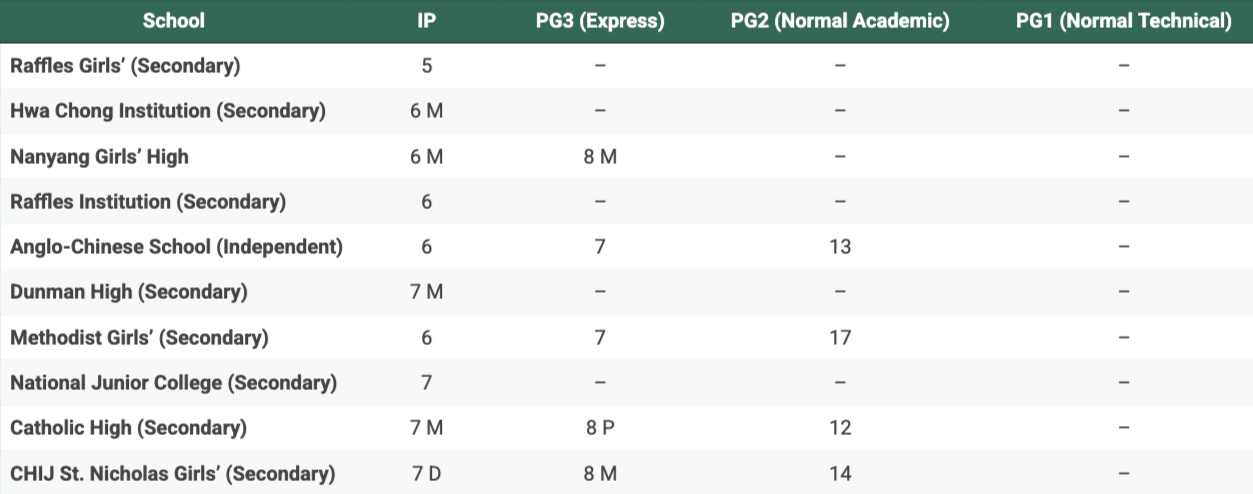
psle express cut off point cut-off points are a critical factor for parents and students planning secondary school pathways in Singapore. They determine eligibility for the Express stream, which is designed for students who demonstrate strong academic performance and are capable of handling a faster-paced curriculum. Understanding how these cut-off points work is essential for making informed decisions about school selection and setting realistic goals.
Cut-off points are generally based on the Aggregate Score calculated from a student’s performance in the four PSLE subjects: English, Mother Tongue, Mathematics, and Science. The scoring system uses Achievement Levels (AL), with AL1 being the best score for each subject. The total AL score across all subjects determines the student’s overall rank and the schools they are eligible for.
How Cut-Off Points Are Determined
Secondary schools set their cut-off points based on historical trends, demand, and available places for each stream. Popular schools with high demand often have lower cut-off scores, meaning only students with excellent AL scores are admitted. Less competitive schools may have higher cut-off points, allowing a wider range of students to qualify.
Several factors influence the cut-off points for Express stream admissions:
- School Popularity: Schools with strong academic reputations or special programs often require lower AL totals.
- Annual Performance: Yearly fluctuations in PSLE scores can impact cut-off points.
- School Capacity: Number of available places in each cohort determines cut-off flexibility.
- Affiliation or Special Programs: Some schools have affiliated primary schools or niche programs which may alter cut-off points for certain applicants.
Typical Express Cut-Off Ranges
For government and government-aided schools, Express cut-off points generally fall within a specific range. While the exact score varies yearly, common trends indicate:
- Top-tier schools: AL 4–8
- Mid-tier schools: AL 9–14
- Lower-tier schools: AL 15–20
Independent and autonomous schools may require even stricter scores due to higher demand and smaller intake. These ranges are indicative and serve as a guide for parents and students aiming for Express stream admission.
Factors Affecting School Selection
Choosing the right school involves more than just meeting the cut-off point. Parents should consider several strategic factors to ensure a suitable match for their child:
- Academic Strengths and Weaknesses: Match the school’s curriculum and teaching pace to the child’s abilities.
- Distance and Accessibility: Consider travel time and convenience to reduce daily stress.
- Co-curricular Activities: Look for schools offering activities aligned with the student’s interests and talents.
- School Culture and Environment: Visit schools or talk to alumni to understand the learning environment.
- Support Systems: Evaluate student support services such as remedial programs and counseling.
Using Score Ranges to Plan Applications
A practical approach is to categorize schools into three tiers based on predicted PSLE scores:
- Dream Schools: Schools with lower cut-off points than the student’s projected AL score. Admission may be competitive but achievable with strong performance.
- Target Schools: Schools where the student’s AL score closely matches the cut-off. These schools are realistic options and serve as primary application choices.
- Safety Schools: Schools with higher cut-off points than the student’s AL score. These provide a fallback to ensure placement if preferred schools are unavailable.
This tiered approach reduces risk and provides multiple options for Express stream admission.
Advanced Data Analysis for Cut-Off Points
Understanding trends in cut-off points can improve prediction accuracy and strategy planning:
- Year-to-Year Comparison: Analyze how scores have changed over the past five years to spot trends. Some schools may gradually lower cut-offs due to changing cohort strength or demand.
- Subject-Specific Performance: Schools may consider individual subject strengths, particularly in Mathematics and Science, when evaluating candidates.
- Regional Patterns: Schools in high-demand areas or central districts tend to have lower cut-off points. Peripheral schools may have higher cut-off flexibility.
- Impact of Special Programs: Schools with music, sports, or language enrichment programs may have separate admission criteria impacting the overall cut-off.
Strategies for Meeting Cut-Off Points
Parents and students can adopt several strategies to maximize the chances of entering the Express stream:
- Early Academic Planning: Focus on consistent study habits and exam practice from Primary 4 onwards.
- Targeted Tuition or Mentorship: Address weaker subjects early to ensure balanced performance.
- Mock Examinations: Use practice tests to identify gaps and adjust study plans accordingly.
- Stress Management: Encourage a balanced routine with rest, exercise, and mental wellness.
Applying these strategies systematically increases confidence and performance in PSLE examinations.
Scenario-Based Planning
Using hypothetical scenarios helps families prepare for various outcomes:
- AL 6–8: Students can realistically aim for top-tier Express schools. Focus on dream school applications and co-curricular alignment.
- AL 9–12: Mid-tier schools become practical targets. Diversify applications across several schools to ensure options.
- AL 13–15: Safety schools may provide the best fit. Emphasis should be on supporting learning strengths and exploring enrichment opportunities.
- AL 16 and above: Alternative pathways or Normal Academic stream may offer more suitable options. Focus on gradual improvement and skill development.
Scenario planning allows families to set realistic expectations and reduce last-minute stress.
Tools and Resources for Parents
Modern resources can assist in navigating cut-off points:
- Online School Comparison Platforms: Interactive tools allow parents to filter schools by score ranges, distance, and co-curricular offerings.
- Score Predictors: Simulate possible outcomes based on expected AL scores to shortlist schools efficiently.
- Consultation Services: Education consultants provide guidance on school choice strategy and cut-off trends.
- Student Forums and Alumni Networks: Real-life insights can offer additional perspective on school environment and admissions.
These tools help transform raw data into actionable decisions.
Monitoring Trends Over Time
Understanding historical trends adds depth to planning:
- Cut-Off Shifts: Some schools gradually adjust scores due to cohort performance or curriculum changes.
- Demand Variations: Population changes and housing developments can influence student intake and cut-off points.
- Program Expansion: Introduction of specialized programs often affects admission criteria and competitive pressure.
Regularly reviewing trends allows families to make informed choices instead of relying solely on a single year’s data.
Emotional and Academic Considerations
While cut-off points provide clear numerical guidance, emotional and personal growth factors are equally important:
- Student Well-Being: Ensure that the chosen school environment supports mental health and social development.
- Balanced Academic Pressure: Avoid overemphasis on scores at the expense of creativity or critical thinking.
- Long-Term Development: Focus on schools that cultivate skills, resilience, and curiosity, not just exam results.
Integrating these factors ensures that the Express stream is not only an academic achievement but also a holistic learning experience.
Conclusion
Navigating PSLE Express cut-off points requires more than knowing numbers. Understanding how they are determined, analyzing trends, planning based on score scenarios, and considering emotional and academic factors collectively create a strategic approach to secondary school selection. By combining data analysis, realistic goal setting, and personalized school selection, families can confidently make informed decisions that align with both performance and personal growth. Effective planning maximizes opportunities for entering the Express stream while ensuring a supportive and enriching environment for students.
 Global Arena