

 By Global Arena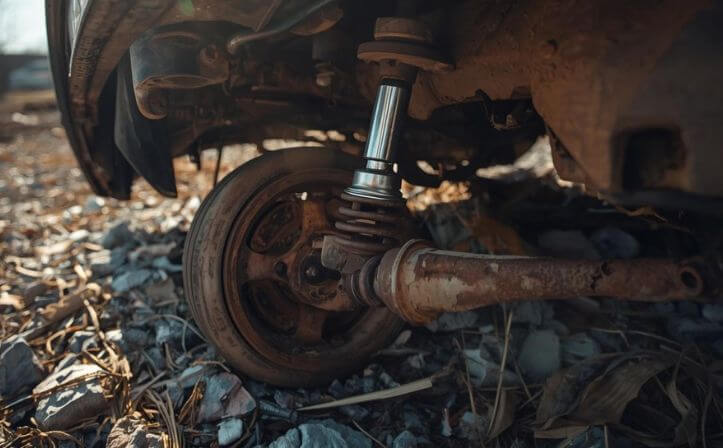
As vehicles age, many drivers begin noticing changes in how their cars handle bumps, corners, and uneven roads. A vehicle that once felt smooth and stable may gradually become rougher, noisier, or less predictable during everyday driving.
In many cases, these changes are linked to suspension wear. Because suspension systems absorb constant stress from roads and vehicle movement, aging vehicles often develop suspension problems that become increasingly noticeable over time.
The Suspension System Does More Than Improve Comfort
Many people associate suspension systems only with ride comfort, but suspension components also play a major role in:
- Vehicle stability
- Steering control
- Tire contact with the road
- Braking performance
- Overall safety
A properly functioning suspension system helps keep the vehicle balanced and predictable under different driving conditions.
As suspension parts wear down, handling and safety can decline gradually.
Roads Constantly Stress Suspension Components
Every pothole, speed bump, and uneven surface places stress on suspension systems.
Over thousands of miles, repeated impacts gradually wear components such as:
- Shocks
- Struts
- Ball joints
- Bushings
- Control arms
- Tie rods
Even normal driving eventually weakens these parts through continuous movement and vibration.
Vehicles driven frequently on rough roads or in harsh climates often develop suspension wear more quickly.
Worn Shocks and Struts Affect Ride Quality
Shocks and struts help control how the vehicle responds to bumps and body movement.
As these components age, drivers may notice:
- Excessive bouncing
- Rough rides
- Nose-diving during braking
- Increased body roll during turns
Because wear develops slowly, many drivers adapt to declining ride quality without realizing how much suspension performance has changed.
Replacing worn shocks and struts often makes older vehicles feel dramatically smoother and more stable again.
Suspension Wear Causes Uneven Tire Wear
Suspension systems help maintain proper tire alignment and road contact.
When components wear out, tires may begin wearing unevenly because the wheels no longer maintain proper positioning.
Common signs include:
- Feathered tire edges
- Bald spots
- Uneven tread wear
- Steering pull
Ignoring suspension problems can shorten tire lifespan significantly and increase long-term operating costs.
Loose Steering Often Develops Gradually
Older vehicles commonly develop steering looseness because of worn suspension and steering components.
Drivers may notice:
- Delayed steering response
- Vibrations in the steering wheel
- Wandering at highway speeds
- Clunking noises during turns
These symptoms often indicate wear involving:
- Tie rods
- Ball joints
- Steering rack components
- Suspension bushings
Because steering and suspension systems work closely together, problems in one area frequently affect the other.
Rust and Corrosion Accelerate Suspension Problems
Environmental exposure also affects suspension lifespan.
Road salt, moisture, and dirt gradually contribute to corrosion involving:
- Springs
- Mounting brackets
- Control arms
- Suspension hardware
Rust weakens metal components and may eventually create safety concerns if structural suspension parts become compromised.
Vehicles driven in snowy climates often experience faster suspension deterioration because of salt exposure during winter months.
Suspension Repairs Can Become Expensive
Suspension systems contain many interconnected components, meaning repairs often involve more than replacing a single part.
Older vehicles may eventually require:
- Shock replacement
- Strut assemblies
- Ball joints
- Control arms
- Wheel alignments
- Tire replacement
Combined repair costs can rise quickly, especially if problems are ignored long enough to affect multiple components.
Suspension Problems Affect Overall Driving Safety
Worn suspension systems impact more than comfort alone.
Serious suspension wear may reduce:
- Emergency braking stability
- Tire grip
- Steering control
- Vehicle balance during turns
These problems become especially dangerous during:
- Heavy rain
- Snow
- High-speed driving
- Sudden maneuvers
Because suspension wear often develops slowly, some drivers underestimate how much safety may be affected over time.
Why Some Owners Eventually Stop Repairing Older Vehicles
As suspension repairs combine with other aging-related problems such as rust, transmission wear, or electrical issues, maintaining older vehicles may become financially difficult.
A high-mileage vehicle needing extensive suspension work may no longer feel worth the investment compared to its remaining value.
This is one reason many drivers eventually explore alternatives such as Cash For Junk Cars once repeated repairs begin outweighing the practicality of continued ownership.
Preventative Maintenance Helps Extend Suspension Life
Drivers can reduce suspension wear through regular inspections and careful driving habits.
Helpful steps include:
- Rotating tires regularly
- Addressing unusual noises early
- Avoiding potholes when possible
- Maintaining proper tire pressure
- Checking alignment periodically
Early maintenance often prevents minor suspension wear from becoming larger and more expensive repairs later.
Final Thoughts
Suspension problems become more noticeable in older vehicles because years of road impacts, vibration, weather exposure, and mileage gradually wear down critical components.
Understanding how suspension systems age helps drivers recognize early warning signs and maintain safer, smoother, and more reliable vehicles for longer.