Havelock Road Cooked Food Centre stands as one of Singapore’s most beloved hawker destinations, combining generations of culinary mastery with authentic local culture. Located in the heart of a neighbourhood steeped in history, this cooked food centre has earned a reputation for affordable, delicious meals that attract both locals and visitors. In this extensive guide, we explore everything from its origins and layout to the best stalls, iconic dishes, practical tips, and deeper cultural significance.
Origins and Significance of Havelock Road Cooked Food Centre
The story of Havelock Road Cooked Food Centre begins with the transformation of Singapore’s urban landscape in the latter half of the 20th century. In the 1960s and 1970s, rapid modernization led to the relocation of many street hawkers into planned hawker centres. Havelock Road was one such initiative, offering structured space for food vendors who once operated informally on street corners.
This centre became a hub for families, workers, and communities around Tiong Bahru, Bukit Ho Swee, and Outram Park. It wasn’t just a place to eat; it became a community anchor where people from all walks of life came together. Today, the centre’s cultural significance grows as Singapore seeks to preserve its hawker heritage.
Location and Accessibility
Havelock Road Cooked Food Centre occupies a convenient location within central Singapore, making it easily accessible by public transport and foot from nearby neighbourhoods. The centre sits off Havelock Road and is within walking distance of multiple bus stops and MRT stations. Whether you are coming from out of town, from the CBD, or just around the neighbourhood, transit options make it simple to reach.
From major MRT lines, a short bus ride or brisk walk connects you to the centre. Riders coming by bus will find frequent services that stop along Havelock Road. For those preferring to connect by rail, nearby MRT stations on the East‑West and North‑East lines provide quick access.
How the Centre Is Laid Out
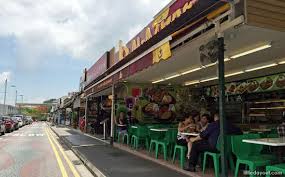
The physical layout of Havelock Road Cooked Food Centre is functional, designed to handle a high volume of visitors while allowing efficient movement. Stalls line both sides of the cooked food hall, with seating areas in the centre. The arrangement allows ventilation and ample light, creating an open yet cosy atmosphere.
Tables fill the central space in communal style, promoting the hawker tradition of shared dining. The centre follows a simple grid, with signage clearly marking stall names and menus. Despite its straightforward design, there’s a charm in how the dining area hums with conversation, clattering plates, and the aroma of freshly prepared dishes.
The Hawker Culture and Community Spirit
What makes Havelock Road Cooked Food Centre special is not just the food, but the stories of people behind the stalls. Many hawkers have worked in the centre for decades, passing down recipes through generations. Regular patrons greet stall owners like old friends, and return visits often feel like reconnecting with community.
This sense of community is a defining feature of the hawker experience here. Locals, students, office workers, and families all mix at long tables. Visitors often find themselves sharing a table with strangers, forging brief connections over shared plates of char kway teow or curry chicken.
Best Time to Visit
Timing your visit can make a big difference in your experience at Havelock Road Cooked Food Centre. Peak hours occur around lunch from 12 pm to 2 pm and dinner from 6 pm to 8 pm. These are bustling periods when queues form at popular stalls.
For a more relaxed visit, consider arriving just before the lunch rush or anytime after 7:30 pm. Early mornings also offer a calmer environment, with some stalls opening early to serve breakfast and morning bites. Regardless of when you go, the centre is vibrant and lively — but avoiding peak crowds helps you enjoy a less hectic meal.
Signature Dishes That Define the Centre
Havelock Road Cooked Food Centre is home to an impressive range of Singaporean favourites. Some dishes have become iconic fixtures of the centre’s culinary scene. Here’s an in‑depth look at what to try:
Char Kway Teow
Char kway teow is perhaps one of the most celebrated hawker dishes in Singapore, and at Havelock Road, a few stalls serve versions that attract long queues. Flat rice noodles are wok‑fried with dark soy sauce, bean sprouts, Chinese chives, cockles, bean sprouts, and sometimes egg and fish cake. The key to a great plate lies in smoky wok hei — a flair achieved only through high heat and seasoned technique.
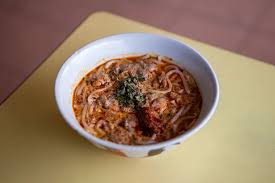
Laksa
Laksa here features rich, creamy coconut broth infused with spices and served with thick rice noodles. Toppings often include prawns, fish cake slices, tofu puffs, and cockles. The balance of spice and creaminess draws fans who crave both comfort and bold flavours in every spoonful.
Chicken Rice
Singapore’s hawker staple, chicken rice at Havelock Road is celebrated for tender poached chicken served with fragrant rice cooked in chicken broth. Paired with chilli sauce and ginger paste, this humble dish remains a perennial favourite among locals and visitors alike.
Hokkien Mee
Another classic dish is Hokkien mee — yellow noodles and rice vermicelli stir‑fried with prawns, squid, and egg, then simmered in a rich stock. Served with sambal chilli and lime, it’s a hearty, satisfying dish that highlights seafood flavours.
Roti Prata
At selected stalls, roti prata offers a South Indian influenced delight: crispy on the outside, soft on the inside, and perfect with curry or sugar. Variations like egg prata or cheese prata further enhance this beloved breakfast and anytime treat.
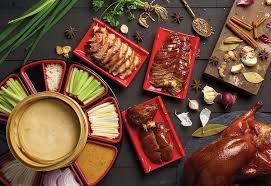
Char Siew and Roasted Meats
Some stalls specialize in BBQ delights like char siew (barbequed pork) and roasted duck. Succulent cuts glazed with sweet sauce pair beautifully with rice or noodles.
Stall Spotlights and Unique Stories
Havelock Road Cooked Food Centre is not just about dishes — it’s about the people behind them. Many stalls have unique stories worth telling:
The Char Kway Teow Family
A long‑standing char kway teow stall passed down through generations showcases how family legacy shapes hawker culture. The original owner started with a small pushcart and later moved into the centre when it opened. Today, the grandchildren help run the stall, preserving the traditional techniques and drawing loyal customers.
The Laksa Artisan
Another stall features a laksa vendor who learned the craft from a mentor outside Singapore. What began as an experiment turned into a signature recipe, with locals praising the broth’s depth and balance. Customers often wait patiently because it’s worth the time.
The Roti Prata Specialist
The prata stall surprises many with its creative spin on tradition. While classic prata is available, they also serve fusion styles like cheese and mushroom prata, delighting patrons who crave both authenticity and innovation.
Hidden Gems Within the Centre
While some stalls receive widespread attention, there are lesser‑known gems that reward curious eaters:
Local Curry Specialist
A small curry stall tucked at the end serves carefully spiced curry that pairs perfectly with rice, prata, or noodles. Locals know this as a midday comfort spot, especially during cooler weather or rainy afternoons.
Fresh Juices and Deserts
Not all delights are savoury. A juice stall offers fresh fruit blends with no added sugar, providing a refreshing contrast after spicy or rich meals. Some stalls also serve traditional sweets like chendol or ice kachang — cooling desserts perfect in Singapore’s heat.
Practical Tips for First‑Time Visitors
Visiting a bustling hawker centre can be overwhelming at first, especially for those unfamiliar with Singaporean food culture. Here are practical pointers:
- Come with an empty stomach because the variety of stalls makes it tempting to try multiple dishes.
- Observe queue behaviour — long lines often point to excellent food, but shorter queues can also hide quality dishes.
- Bring cash or electronic payment as not all stalls may accept card payments.
- Look for seating during peak hours — tables fill fast, so securing a seat first can make ordering easier.
- Ask locals for recommendations — sometimes the best insights come from regular patrons.
Comparing the Centre to Other Hawker Destinations
Singapore boasts many popular hawker centres like Maxwell Food Centre, Lau Pa Sat, and Tiong Bahru Market. Each has unique strengths:
- Maxwell Food Centre draws heavy tourist traffic due to its proximity to Chinatown.
- Lau Pa Sat stands out for its historic architecture and satay street evenings.
- Tiong Bahru Market blends modern food stalls with traditional offerings.
Havelock Road Cooked Food Centre distinguishes itself through its strong local patronage, mix of old‑school classics and hidden gems, and authentic neighbourhood feel.
Food Quality, Hygiene, and Standards
Singapore’s hawker centres operate under guidelines that emphasize food safety and hygiene. Inspections ensure cleanliness, proper food handling, and tenant compliance. At Havelock Road, the centre’s management enforces these standards, helping maintain a pleasant environment despite high foot traffic.
Many stall owners also take personal pride in cleanliness, displaying certificates and conducting self‑checks. Outdoor seating areas are regularly cleaned, and waste disposal is managed by designated bins throughout the space.
Seasonal and Trending Dishes
While many dishes remain constant, some stalls introduce seasonal items that attract attention:
- Cooling desserts like ice kachang gain popularity during warmer months.
- Chilled fruit bowls and fresh juices become go‑to options on hot days.
- Festive specials occasionally appear during cultural holidays, offering unique flavours that draw curious food explorers.
Trendy eats also emerge as hawkers experiment with fusion influences, such as contemporary prata fillings or creative rice bowl combinations.
Sustainability and Hawker Practices
Sustainability is increasingly part of the conversation in Singapore’s food scene. At Havelock Road, some vendors prioritize locally sourced ingredients, minimizing transportation impact and supporting local farms. Efforts to reduce single‑use plastics and encourage reusable containers are also visible, especially among younger patrons.
Though challenges remain — such as balancing cost and sustainability — the centre’s community shows a growing awareness of responsible food practices.
Why Locals Keep Coming Back
For many Singaporeans, Havelock Road Cooked Food Centre is more than a place to eat. It’s where memories are made. Parents bring children who later return with friends. Office workers take lunch breaks there weekly. Retirees gather in the mornings to chat over kopi and toast.
This loyalty reflects a shared cultural identity: hawker centres represent Singapore’s diversity, resilience, and love for good food.
Tips for Visiting With Family and Friends
- For families: opt for larger tables during off‑peak times to secure easy seating.
- For groups: designate a food runner to queue at multiple stalls to maximize variety.
- For tourists: consider exploring stalls one by one rather than overwhelming orders all at once.
- For late meals: many stalls stay open into the evening, making it a great spot for dinner after sightseeing.
Conclusion
Havelock Road Cooked Food Centre embodies the heart and soul of Singaporean hawker culture. Its blend of history, community spirit, culinary excellence, and everyday charm makes it a must‑visit destination for anyone who wants to experience authentic Singapore food culture. Whether you are searching for legendary char kway teow, comforting laksa, hearty Hokkien mee, or refreshing desserts, this cooked food centre delivers flavour, story, and connection in every bite.
Approach your visit with curiosity, arrive ready to explore, and let the aromas, tastes, and atmosphere guide you through one of Singapore’s most cherished culinary landscapes.