Introduction to Hong Kong Street Chun Tat Kee and the Culture Behind Its Popularity
Hong Kong Street Chun Tat Kee represents far more than a simple dining destination. It reflects the evolution of Singapore’s vibrant zi char dining culture, where traditional Chinese cooking techniques merge with local flavor preferences to create meals designed for sharing, celebration, and everyday comfort. Over the years, this restaurant name has become strongly associated with seafood excellence, wok mastery, and one of the most recognizable dishes in local dining culture, fish head bee hoon. Understanding why this establishment attracts consistent crowds requires looking beyond menu items and examining heritage, cooking philosophy, customer behavior, kitchen discipline, and culinary identity that collectively shape its reputation. The restaurant operates within a food tradition built on speed, freshness, and communal enjoyment, making every visit feel energetic rather than formal. Unlike fine dining restaurants focused on presentation alone, this dining style prioritizes taste intensity, aroma balance, and portion generosity that satisfies groups rather than individuals.
Origins of the Hong Kong Street Zi Char Tradition
The phrase Hong Kong Street in restaurant branding carries historical culinary significance across Singapore’s food landscape. Decades ago, chefs influenced by Cantonese street cooking began adapting seafood dishes to suit local ingredients and multicultural tastes. These chefs emphasized wok hei, a smoky fragrance produced through high-temperature stir frying that cannot easily be replicated outside professional kitchens. Chun Tat Kee emerged within this culinary lineage, continuing practices that highlight freshness, efficient preparation, and bold seasoning rather than complicated plating techniques. Zi char kitchens traditionally evolved from humble coffee shop stalls where families gathered for affordable restaurant-style dishes without luxury pricing. This heritage explains why the restaurant atmosphere feels approachable while still delivering technically demanding cuisine requiring experienced chefs and coordinated kitchen teamwork.
Evolution of Chun Tat Kee as a Recognized Dining Name
Growth of Chun Tat Kee reflects consistency rather than aggressive expansion. Instead of focusing purely on branding aesthetics, the restaurant built recognition through repeat customers and word-of-mouth recommendations driven by food quality. Diners often associate the establishment with dependable seafood execution, especially dishes requiring precise broth control and timing. Over time, returning guests developed emotional familiarity with signature recipes, creating loyalty that extends across generations. Families introduce younger members to the restaurant as part of shared dining traditions, reinforcing its position as a dependable gathering spot rather than a trend-driven concept.
Understanding Zi Char Dining Philosophy
Zi char dining revolves around flexibility and customization. Unlike fixed menus found in structured restaurants, diners typically select multiple dishes meant to complement each other. This approach encourages experimentation with textures and flavors ranging from creamy broths to crispy fried meats and spicy seafood preparations. Chun Tat Kee embodies this philosophy by offering dishes suitable for both casual weekday meals and celebratory gatherings. The kitchen workflow supports rapid preparation of diverse orders simultaneously, requiring coordination between stations handling seafood, frying, soups, vegetables, and sauces. The result is a dynamic dining environment where meals arrive progressively, sustaining conversation and engagement at the table.
Atmosphere and Dining Environment Experience
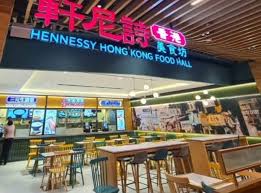
Walking into a Chun Tat Kee outlet introduces guests to an environment shaped by movement and sound. Conversations blend with the rhythmic clatter of woks and serving plates, creating an atmosphere synonymous with authentic local dining. Seating arrangements prioritize practicality, allowing large groups to dine comfortably while maintaining efficient service flow. Lighting remains functional rather than theatrical, reinforcing the focus on food quality instead of visual luxury. This setting contributes to psychological comfort, encouraging diners to relax and order generously without feeling constrained by formality.
Kitchen Operations and Workflow Efficiency
Behind the dining area lies a highly structured kitchen system designed for speed without compromising flavor integrity. Experienced chefs handle intense heat conditions while synchronizing cooking times across multiple dishes. Seafood preparation begins with ingredient inspection to ensure freshness, followed by rapid cleaning and portioning processes. Sauces are often prepared in advance but finalized during cooking to preserve aroma complexity. Timing plays a critical role, particularly for noodle-based soups where overcooking can compromise texture. Chun Tat Kee’s ability to maintain consistency during peak hours demonstrates operational discipline developed through years of refinement.
Signature Dish Spotlight Fish Head Bee Hoon
Fish head bee hoon stands as the defining dish associated with Chun Tat Kee. The dish combines fried fish head pieces with rice vermicelli noodles immersed in a milky broth created through controlled emulsification of fish oils and stock. Achieving the characteristic creamy appearance requires precise frying techniques followed by simmering that releases collagen and flavor compounds into the soup. The balance between richness and freshness determines overall success. Diners often notice subtle sweetness derived from seafood rather than added seasoning, showcasing natural ingredient quality. Garnishes such as vegetables and herbs introduce contrast, preventing heaviness despite the broth’s depth.
Science Behind the Milky Broth
The transformation of clear stock into a milky soup occurs when high heat breaks down fats and proteins, allowing them to disperse evenly throughout the liquid. Continuous boiling agitation helps maintain suspension, producing the iconic opaque texture associated with premium fish head bee hoon. Chefs must monitor temperature carefully because insufficient heat prevents emulsification while excessive cooking dulls flavor clarity. Chun Tat Kee’s reputation partly stems from mastery of this technical balance, ensuring broth consistency across servings.
XO Sauce Seafood Excellence
Another defining element within the menu involves dishes utilizing XO sauce. This luxurious condiment blends dried seafood, chili, and aromatics into a deeply savory mixture delivering umami intensity. When paired with prawns or fish, the sauce enhances natural sweetness without overwhelming delicate textures. Stir frying at high temperature allows sauce components to caramelize slightly, producing layered flavors that evolve with each bite. Such dishes highlight the kitchen’s ability to combine traditional Cantonese inspiration with localized taste expectations favoring bold seasoning.
Har Cheong Gai and Fried Specialties
Har Cheong Gai exemplifies the restaurant’s approach to fried foods. Chicken pieces marinated in fermented shrimp paste develop complex savory notes before being fried to achieve crisp exteriors and juicy interiors. Timing remains essential because over-frying diminishes moisture while under-frying compromises texture. The result demonstrates how simple ingredients can achieve remarkable flavor when supported by technical precision. Fried specialties serve as complementary dishes balancing soup-based offerings within group meals.
Seafood Selection and Ingredient Freshness
Seafood quality directly influences dining satisfaction at Chun Tat Kee. Suppliers typically deliver fresh fish, prawns, and shellfish daily to maintain flavor integrity. Kitchen staff inspect texture, smell, and appearance before preparation begins. Freshness reduces reliance on heavy seasoning, allowing natural sweetness to dominate. This approach aligns with traditional seafood philosophy emphasizing ingredient respect rather than excessive manipulation. Diners subconsciously recognize freshness through cleaner flavors and lighter aftertaste.
Menu Diversity Supporting Group Dining
The menu structure accommodates diverse preferences within shared meals. Vegetable dishes provide contrast against rich seafood items, while tofu and egg preparations introduce softer textures. Noodle and rice options ensure satiety for larger groups. Such diversity encourages collaborative ordering where diners sample multiple flavors rather than committing to single entrées. Chun Tat Kee’s menu design reflects understanding of communal eating psychology common across Asian dining traditions.
Customer Behavior and Dining Patterns
Observing dining behavior reveals recurring patterns among guests. Families often order signature soups first, followed by fried meats and vegetables to create balance. Larger gatherings may include premium seafood selections reserved for celebrations. Regular customers demonstrate familiarity with portion sizes and pacing, optimizing ordering strategies based on group size. These behaviors reinforce the restaurant’s role as a social hub rather than a quick dining stop.
Peak Hour Dynamics and Service Rhythm
During busy periods, service rhythm accelerates significantly. Staff coordinate table turnover while ensuring dishes reach diners promptly. Efficient communication between servers and kitchen teams minimizes delays despite high order volumes. Experienced diners anticipate waiting times and adjust expectations accordingly, recognizing that popularity contributes to occasional queues. The lively environment enhances authenticity rather than detracting from overall enjoyment.
Flavor Balance Philosophy
Chun Tat Kee’s culinary identity emphasizes harmony rather than extreme seasoning. Salty, savory, sweet, and aromatic elements interact to produce satisfying yet approachable dishes. This balance allows repeated visits without palate fatigue. Chefs avoid overwhelming spice levels, ensuring food appeals to a broad demographic including families and elderly diners. Such moderation supports long-term customer retention.
Role of Wok Hei in Culinary Identity
Wok hei represents a defining characteristic of zi char cuisine. Generated through intense heat and rapid movement, it imparts smoky complexity unattainable through low-temperature cooking. Chun Tat Kee’s kitchen demonstrates mastery of this technique across stir-fried dishes. Proper wok hei enhances aroma immediately upon serving, stimulating appetite even before tasting begins. This sensory impact contributes significantly to perceived quality.
Dining Experience for First-Time Visitors
First-time guests often experience sensory immersion beginning with aroma detection near the entrance. Observing shared dishes across tables encourages adventurous ordering. Staff recommendations help newcomers navigate menu variety. Sampling multiple dishes introduces diners to the breadth of zi char cuisine, transforming initial curiosity into appreciation for communal dining traditions.
Pricing Strategy and Value Perception
Value perception plays an essential role in sustained popularity. Portion sizes typically justify pricing, allowing groups to share without excessive cost. Diners perceive fairness when food quality aligns with expenditure. This balance between affordability and satisfaction strengthens loyalty, particularly among regular patrons seeking reliable dining options.
Family Gatherings and Social Celebrations
Chun Tat Kee frequently hosts birthday dinners, reunions, and informal celebrations. Round tables facilitate conversation while shared dishes reinforce collective participation. Food becomes central to social bonding, reflecting cultural traditions emphasizing togetherness through meals. The restaurant environment supports these occasions without imposing formal dining expectations.
Consistency as a Competitive Advantage
Consistency distinguishes long-standing establishments from short-lived trends. Chun Tat Kee maintains recognizable flavors across visits, reducing uncertainty for returning customers. Achieving consistency requires standardized preparation methods combined with skilled oversight ensuring execution remains aligned with established benchmarks.
Ingredient Preparation Techniques
Preparation begins long before cooking. Vegetables undergo washing and cutting designed to preserve texture during stir frying. Seafood cleaning ensures removal of impurities while maintaining structural integrity. Marinades penetrate proteins to enhance flavor without masking freshness. These foundational steps influence final dish quality significantly.
Importance of Broth-Based Dishes in Menu Identity
Broth-based dishes serve as emotional anchors within the menu. Warm soups provide comfort while showcasing technical proficiency. Chun Tat Kee’s fish head bee hoon exemplifies how soups can function as centerpiece dishes rather than side offerings. Such emphasis differentiates the restaurant within competitive dining landscapes.
Dining Psychology and Comfort Food Appeal
Comfort food derives power from familiarity combined with sensory satisfaction. Rich aromas and balanced seasoning trigger positive emotional responses linked to shared memories. Chun Tat Kee’s dishes often evoke nostalgia, encouraging repeat visits motivated by emotional connection as much as taste preference.
Cultural Significance of Shared Seafood Meals
Seafood traditionally symbolizes prosperity and celebration across Chinese dining culture. Ordering fish or prawns often reflects hospitality toward guests. Chun Tat Kee’s seafood focus aligns with these symbolic associations, reinforcing its suitability for gatherings marking important occasions.
Service Approach and Customer Interaction
Service style remains practical and efficient rather than ceremonial. Staff prioritize order accuracy and speed, supporting high turnover without sacrificing friendliness. Familiar customers frequently develop rapport with servers, enhancing sense of belonging.
Menu Navigation Strategies for Optimal Experience
Effective ordering involves balancing soup, fried, vegetable, and seafood dishes. Beginning with signature items ensures exposure to defining flavors, while complementary selections prevent monotony. Experienced diners often tailor orders according to group size and appetite levels.
Texture Diversity Within Meal Composition
Successful zi char meals incorporate varied textures including crispy, tender, silky, and chewy components. Chun Tat Kee’s menu naturally facilitates this diversity, enhancing overall satisfaction through contrast rather than repetition.
Long-Term Popularity and Brand Recognition
Sustained popularity arises from cumulative experiences shared across communities. Positive dining memories contribute to reputation more effectively than advertising campaigns. Chun Tat Kee’s recognition stems from years of dependable execution reinforcing trust among diners.
Future Relevance of Traditional Zi Char Dining
Despite evolving dining trends, traditional zi char establishments continue attracting customers seeking authenticity and social connection. Chun Tat Kee exemplifies resilience achieved through adaptation without abandoning culinary roots. Maintaining heritage while meeting modern expectations ensures continued relevance.
Complete Dining Experience Summary
A visit to Hong Kong Street Chun Tat Kee represents interaction with living culinary tradition rather than simple restaurant consumption. From ingredient selection to wok execution and communal enjoyment, every element contributes to a holistic experience shaped by culture, technique, and hospitality. Diners leave not only satisfied but connected to a broader food heritage emphasizing shared enjoyment, craftsmanship, and enduring flavor excellence.