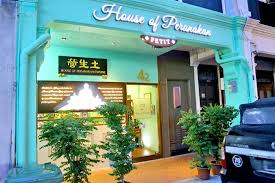
Peranakan cuisine represents one of Singapore’s most enduring culinary traditions, a fusion of Malay, Chinese, Indonesian, and Eurasian influences that has evolved over centuries. Among the many restaurants offering Peranakan food in Singapore, House of Peranakan Petit has emerged as a distinctive voice — honoring tradition while presenting bold and thoughtful interpretations of classic dishes. This article explores the restaurant in depth, from its origins and ambience, to its menu development, cooking techniques, ingredient philosophy, cultural significance, and more. It is designed to be both informative and compelling, offering insights that go beyond surface‑level reviews.
In this comprehensive guide, you will discover not just what makes House of Peranakan Petit unique, but also why Peranakan cuisine remains a vital thread in Singapore’s multicultural fabric. Whether you are a curious visitor, a food enthusiast, a cultural explorer, or someone seeking a deeper understanding of heritage dining, this article will offer value, perspective, and context.
The Story Behind House of Peranakan Petit
Origins and Founders
House of Peranakan Petit started as a modest yet passionate effort to preserve and celebrate authentic Peranakan culinary heritage. Peranakan culture itself emerged from the intermarriage of Chinese settlers with local Malay and Indonesian communities many generations ago. The term “Peranakan” refers to descendants of these unions, particularly those in the Malay Archipelago, including Singapore, Malacca, and Indonesia.
The founders of House of Peranakan Petit recognized a gap in how this food tradition was being interpreted in modern dining spaces. Many restaurants offered Peranakan dishes, but few balanced authenticity with creativity, or provided context alongside the food itself. Their mission was to offer refined Peranakan flavors in a setting that respected the food’s origins while appealing to contemporary diners.
Vision and Mission
The core vision of the restaurant is rooted in preservation, education, and innovation. Rather than simply serving familiar Peranakan favorites, the team meticulously researches each dish’s history, ingredients, and connections to family traditions. The goal is not just to feed hungry customers, but to tell stories: stories of heritage, of spices passed down through generations, and of techniques that have survived colonial influence and cultural shifts.
Understanding Peranakan Cuisine
Cultural Background and Influence
Peranakan cuisine is sometimes described as Straits Chinese food, but this label does not fully encompass its complexity. It blends the sweet, sour, spicy, and savory elements of Malay cooking with Chinese ingredients and precision. Coconut milk, tamarind, lemongrass, galangal, and candlenuts play prominent roles — flavors that are both aromatic and bold.
Unlike some regional cuisines that rely on subtlety, Peranakan dishes are layered. They often balance sharp acidity with creamy textures, rich spice blends with delicate seafood or meat, and complex seasoning that creates an unforgettable taste profile. These characteristics are deeply connected to the cultural history of the Peranakan people, reflecting trade routes, migration stories, and communal celebrations.
Signature Techniques in Peranakan Cooking
Peranakan cooking is not just about individual ingredients, but about how they are combined and prepared. Several techniques are central to the cuisine:
- Grinding and Toasting Spices
Many spice blends begin with dry‑toasting seeds and nuts before grinding them into a paste. This releases essential oils and develops depth. - Use of Coconut Milk
Coconut milk adds creaminess and body, but controlling its richness is a skill — too much can overwhelm the dish, too little risks dryness. - Balancing Acidity
Tamarind and assam (a type of sour fruit) introduce controlled acidity that complements richer proteins. - Layered Cooking
Rather than adding all ingredients at once, various elements are introduced at specific times to build flavor incrementally.
These techniques are evident in the dishes prepared at House of Peranakan Petit, where every plate reflects careful consideration of taste, texture, and balance.
A Look Inside House of Peranakan Petit
Ambience and Design
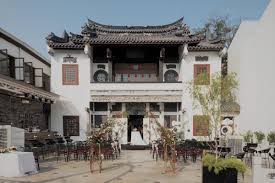
Stepping into House of Peranakan Petit, visitors are greeted with an atmosphere that bridges past and present. Interior design incorporates subtle nods to Peranakan heritage — hand‑painted ceramics, traditional beadwork patterns, and tones of blue, green, and coral that evoke old Straits Chinese homes. At the same time, the space remains modern and approachable, with clean lines, warm lighting, and comfortable seating.
The overall impression is inviting rather than intimidating; refined rather than stiff. The restaurant’s layout encourages social dining, with tables arranged to support conversation and shared courses — a nod to Peranakan communal eating traditions.
Service Philosophy
Service at House of Peranakan Petit reflects respect for the cuisine and the diner. Staff are trained not just to take orders, but to explain dishes, share their origins, and make recommendations based on preferences. This educational approach enhances the dining experience, helping patrons appreciate what makes each dish significant.
Signature Dishes and Menu Deep Dive
House of Peranakan Petit’s menu features classic dishes alongside unique interpretations. Each offering is rooted in tradition, but reimagined with thoughtful plating, premium ingredients, and balanced flavors.
Ayam Buah Keluak
One of the most iconic Peranakan dishes, ayam buah keluak features braised chicken cooked with buah keluak nuts. These nuts have an earthy, complex flavor that is treasured in Peranakan cooking.
- Flavor Profile: Earthy, slightly bitter, rich
- Ingredients: Chicken, keluak nuts, spices, coconut milk
- Technique: The keluak seeds must be prepared carefully to remove toxins, then the meat is slow‑braised to absorb deep, layered flavors.
At House of Peranakan Petit, the ayam buah keluak is presented with a contemporary aesthetic but retains its traditional essence. The sauce is velvety yet robust, and the chicken tender with a depth that reflects slow cooking and skillful seasoning.
Assam Prawns
Assam prawns showcase Peranakan mastery over balancing sour and savory. Tamarind creates brightness while spices and aromatics round out the palate.
- Flavor Profile: Tart, spicy, aromatic
- Ingredients: Fresh prawns, tamarind, lemongrass, chili
- Technique: Quick stir‑fry to ensure juiciness of prawns and preservation of texture.
This dish exemplifies how acidity is used intentionally to enhance other flavors, creating a refreshing yet bold taste.
Ngoh Hiang (Five‑Spice Meat Roll)
Ngoh hiang draws from Chinese influences but is integrated into Peranakan cuisine with its own twist.
- Flavor Profile: Savory, aromatic, crisp exterior with juicy interior
- Ingredients: Minced pork or seafood, five‑spice powder, herbs, wrapped in beancurd skin
- Technique: Deep‑frying to precision — crispy on the outside, moist within.
At House of Peranakan Petit, this dish is presented with attention to texture and flavor layers, often paired with dipping sauces that enhance its spice profile.
Kueh Pie Tee
Kueh pie tee is a beloved snack or starter within Peranakan tradition — thin pastry shells filled with a mix of vegetables, prawns, and sweet sauce.
- Flavor Profile: Sweet, tangy, crunchy
- Ingredients: Pastry cups, jicama, carrots, prawns, sauces
- Technique: Perfecting shell crispiness while ensuring the filling remains fresh.
This dish demonstrates the balance of textures that Peranakan cuisine excels at.
Ingredient Philosophy and Sourcing
Premium Ingredients, Local Focus
House of Peranakan Petit places emphasis on ingredient quality. Seafood is sourced for freshness and sustainability, meats are chosen for tenderness and flavor, and spices are selected for authenticity and aromatic impact. The restaurant often works with local suppliers to maintain a balance of quality control and support for regional producers.
Use of Traditional Spices
Peranakan dishes make use of spices like turmeric, galangal, lemongrass, and candlenuts — ingredients that must be toasted and ground properly. This process requires skill and understanding of spice chemistry. When done well, the result is bold aromatics and a nuanced flavor profile that can’t be replicated by shortcuts or pre‑made pastes.
Presentation and Plating
Compared with home‑style Peranakan cooking, House of Peranakan Petit’s plating is more refined, yet it preserves the essence of what makes these dishes comforting. Plates are composed with color contrast in mind, garnishes are used sparingly to enhance rather than distract, and textures are emphasized visually.
This modern plating reflects an understanding of contemporary dining expectations while still honoring the roots of each dish.
Peranakan Culture in Singapore: Context and Significance
Historical Background
Peranakan culture has long been a bridge between East and Southeast Asia. In Singapore, this culture traces back centuries, and its influence can be seen in language, clothing, customs, and — critically — food.
Peranakan cuisine was often served during celebrations such as weddings, festivals, and family gatherings. Recipes were closely guarded and passed down through generations. The dishes that survive today reflect this history of preservation and adaptation.
Cultural Symbolism of Key Dishes
Many Peranakan dishes carry symbolic meaning:
- Ayam buah keluak represents patience and depth; the labor‑intensive preparation symbolizes dedication.
- Kueh lapis (layered cake) reflects complexity and unity — each layer distinct yet part of a whole.
- Babi pongteh signifies comfort and communal sharing.
At House of Peranakan Petit, these symbolic narratives are woven into the menu descriptions and service conversations, enriching the customer experience.
Pairing Recommendations and Culinary Tips
Beverages That Complement
Peranakan food pairs beautifully with teas, light wines, and traditional drinks like Bandung or lime juices:
- Jasmine tea or oolong helps cut through richness
- Rosé or light red wine complements spice without overwhelming
- Fresh fruit juices balance acidity and refresh the palate
How to Appreciate Peranakan Flavors
If you are new to Peranakan food, try these tips for maximum enjoyment:
- Take small bites to savor layered spice profiles.
- Alternate between richer dishes and lighter savories to reset the palate.
- Ask servers about ingredient origins and preparation techniques.
Understanding these elements deepens appreciation beyond taste alone — it connects you to culture.
Comparisons With Other Peranakan Restaurants
While many restaurants in Singapore serve Peranakan cuisine, House of Peranakan Petit distinguishes itself in several ways:
- Depth of research into recipes and heritage background
- Balance between tradition and refinement
- Educational service approach
- Attention to ingredient sourcing and spice technique
Some establishments focus more on casual dining, others on fusion interpretations. House of Peranakan Petit occupies a space where authenticity meets thoughtful innovation.
Practical Dining Information
Best Times to Visit
House of Peranakan Petit is ideal for:
- Weekend lunch gatherings
- Special dinners or cultural celebrations
- First‑time visitors seeking authentic Peranakan cuisine
Reservation Tips
Because of strong demand, reservations are recommended during weekends and peak hours.
Dietary Considerations
Many Peranakan dishes contain seafood, coconut milk, and spices. Patrons with dietary restrictions should communicate preferences to the staff; the restaurant often offers modifications where possible.
The Future of Peranakan Cuisine
House of Peranakan Petit represents a broader movement: elevating heritage cuisine without losing authenticity. As younger generations seek cultural connection through food, restaurants like this play a vital role in preserving culinary knowledge and presenting it in ways that resonate with contemporary diners.
Peranakan cuisine has the potential to further influence global food trends — much as Japanese, Korean, and Thai foods have — by emphasizing balance, layered flavors, and cultural storytelling.