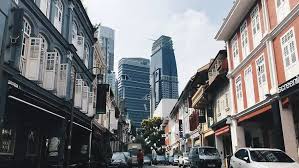
Nestled in a quieter corner of Geylang, Keng Wah Sung Cafe has stood the test of time, maintaining its charm as one of Singapore’s classic Hainanese kopitiams. This humble coffee shop has become synonymous with nostalgic breakfasts, traditional kopi, and handcrafted kaya toast. While modern cafés and chain outlets have grown in popularity, Keng Wah Sung continues to attract both locals and visitors seeking an authentic taste of Singapore’s coffee culture.
The café has been family-run for generations, preserving recipes and brewing techniques that are rare to find in today’s fast-paced food scene. Walking into Keng Wah Sung is like stepping back into a simpler era, with wooden tables, vintage signage, and the warm aroma of freshly brewed coffee welcoming every guest.
Signature Dishes That Define the Cafe
Traditional Kaya Toast
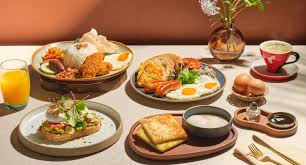
Kaya toast is the cornerstone of the Keng Wah Sung experience. Each slice of bread is toasted over charcoal, giving it a perfectly crisp exterior while remaining soft inside. A generous spread of kaya, a coconut egg jam made from fresh coconut milk and eggs, is paired with a slab of butter to create the perfect balance of sweetness and richness. The toast is often served with soft-boiled eggs seasoned with white pepper and soy sauce, creating a breakfast combination that has delighted patrons for decades.
Classic Kopi and Kopi-O
The coffee at Keng Wah Sung is brewed using the traditional sock filter method, a slow process that extracts deep, aromatic flavors from the coffee grounds. Customers can enjoy different variations such as kopi (coffee with condensed milk), kopi-C (coffee with evaporated milk), or kopi-O (black coffee with sugar). The taste is robust and slightly sweet, embodying the quintessential Hainanese coffee shop experience.
Handcrafted Sugar Doughnuts
One of the lesser-known highlights is the handcrafted sugar doughnuts. Made using a slow-fermented dough, these doughnuts are light, fluffy, and perfectly sweet. The dough is carefully prepared and shaped by an experienced baker, whose expertise has been passed down over decades. Freshly fried and coated with sugar, these treats are best enjoyed with a cup of hot kopi or tea, making them an ideal snack for both locals and tourists.
Other Traditional Offerings
Beyond kaya toast and coffee, Keng Wah Sung also offers a selection of traditional dishes like banana cake, economic bee hoon, and wonton noodles. Each item maintains the authentic flavors of old-school Singapore, allowing patrons to experience a wide range of heritage dishes in one place.
The Ambience of a Classic Kopitiam
The charm of Keng Wah Sung extends beyond its food. The café’s interior features aged wooden tables, worn floor tiles, and handwritten menu boards, all contributing to a nostalgic atmosphere that transports visitors back in time. The décor reflects the history of the café and Singapore’s kopitiam culture, offering a cozy environment for a leisurely breakfast or afternoon tea.
Regular customers often come in for a daily dose of comfort food and social interaction. It is common to see elderly patrons chatting over their kopi, while young adults stop by to experience a piece of Singapore’s culinary heritage. This blend of old and new creates a unique, lively environment that few modern cafés can replicate.
Understanding Kopitiam Culture in Singapore
Kopitiams are more than just coffee shops; they are an integral part of Singapore’s social fabric. Traditionally run by Hainanese immigrants, these establishments became central gathering places for communities, offering affordable meals and a space for social interaction. Keng Wah Sung exemplifies this culture, preserving the traditional brewing methods, recipes, and service style that defined Hainanese coffee shops for decades.
The café represents a living museum of Singapore’s culinary past. From the charcoal-toasted bread to the sock-filtered coffee, every element tells a story of heritage, craftsmanship, and dedication. Visiting Keng Wah Sung offers not just a meal, but an immersive cultural experience.
Behind the Scenes: Crafting the Perfect Breakfast
Bread and Toasting Techniques
The bread used for kaya toast at Keng Wah Sung is sourced from local bakeries that still produce soft, white loaves reminiscent of Singapore’s mid-20th-century recipes. Each slice is carefully buttered and toasted over charcoal to ensure an even, golden-brown texture. This slow-toasting method imparts a subtle smoky flavor that complements the sweetness of the kaya and richness of the butter.
Coffee Brewing Expertise
The traditional sock filter method used at Keng Wah Sung requires precision and patience. Coffee grounds are tightly packed into a cloth filter and hot water is poured slowly, allowing the coffee to drip into a pot below. This method extracts maximum flavor and results in a full-bodied, aromatic cup that modern drip coffee machines often fail to replicate. The baristas at Keng Wah Sung take pride in maintaining consistency in every cup, ensuring each customer experiences the same quality that has been cherished for generations.
Doughnut Preparation
The sugar doughnuts are prepared daily using a time-intensive fermentation process that enhances their lightness and flavor. The dough is kneaded and allowed to rise before being shaped and fried to perfection. Each doughnut is then coated with fine sugar, giving it a delicate sweetness. This traditional method requires skill and attention to detail, making these doughnuts a unique offering in Singapore’s culinary landscape.
Practical Guide for Visitors
Keng Wah Sung is located in a central part of Geylang, easily accessible by public transport. It opens early in the morning, catering to breakfast-goers, and typically closes by mid-afternoon. Prices remain reasonable, reflecting the café’s commitment to providing value alongside authentic flavors. While the café is not halal-certified, it remains a favorite among locals and tourists seeking traditional Singaporean breakfast experiences.
Tips for Enjoying the Café
- Visit during early morning hours for freshly toasted bread and less crowded seating.
- Try the full breakfast set: kaya toast, soft-boiled eggs, and kopi for a complete experience.
- Pair sugar doughnuts with a cup of kopi-O to enjoy the contrast of sweet and bitter flavors.
- Observe and appreciate the traditional brewing and cooking techniques to fully grasp the heritage behind each dish.
Comparing Traditional Kopitiams with Modern Cafés
While modern cafés offer a range of fusion beverages and artisan pastries, they often lack the authenticity and cultural depth of traditional kopitiams. Keng Wah Sung stands out due to its preservation of traditional methods, its long-standing family ownership, and its focus on dishes that have been perfected over decades. For visitors seeking a true taste of Singapore’s heritage, this café provides an experience that modern coffee chains cannot replicate.
Why Keng Wah Sung Remains Relevant Today
In a rapidly evolving food scene, Keng Wah Sung continues to attract a loyal following because it offers a combination of heritage, quality, and authenticity. The café’s ability to maintain its traditional recipes and ambiance, while still appealing to younger generations and tourists, is a testament to its enduring charm. It is not just a place to eat, but a place to connect with Singapore’s culinary history.
Conclusion
Keng Wah Sung Cafe exemplifies the enduring appeal of Singapore’s kopitiams. From meticulously brewed coffee to handcrafted kaya toast and sugar doughnuts, every element reflects decades of culinary tradition. The café provides not only nourishment but a cultural experience, bridging generations of Singaporeans and visitors alike. Whether you are a local seeking a nostalgic breakfast or a tourist eager to explore traditional coffee culture, Keng Wah Sung offers a genuine, immersive experience that celebrates the rich heritage of Singapore’s Hainanese coffee shops.