Korean food singapore cuisine has exploded in popularity around the world, and Singapore is one of the cities where its influence is undeniable. From sizzling barbecue grills to spicy stews and sweet desserts, Korean food brings a dynamic blend of flavors, textures, and cultural experiences. This comprehensive guide dives deep into the vibrant Korean food scene in Singapore — not just listing restaurants but helping you understand dishes, trends, neighborhoods, cultural context, food etiquette, ordering tips, and how to choose the best spots based on mood, taste, and budget.
What Makes Korean Food Distinctively Delicious
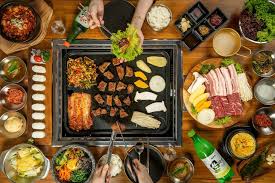
Korean food is celebrated for its bold flavors, balance of heat and umami, and emphasis on shared eating experiences. At its heart are fermented ingredients, grilling techniques, spice blends, and an array of side dishes known as banchan.
Core Flavor Profiles
Korean cuisine usually showcases:
- Spicy – chili paste (gochujang) and chili flakes (gochugaru)
- Savory – fermented soy products like doenjang
- Smoky – charcoal grilling for meats
- Sour & Tangy – kimchi and pickled vegetables
- Sweet Balance – sugar, fruit marinades
These elements interplay to make dishes rich and layered without overwhelming the palate.
Understanding Must‑Try Korean Dishes
The key to mastering Korean food is recognizing staple dishes and their unique appeal. Below is a curated list of iconic Korean foods you’ll encounter in Singapore.
Bibimbap
Bibimbap is a bowl of warm rice topped with sautéed vegetables, marinated meat, a fried egg, and spicy gochujang. The unmatched harmony of flavors and textures — creamy rice, crunchy veg, spicy sauce — makes it a perennial favorite. Bibimbap comes in many regional styles like Jeonju and Dolsot (stone pot), which brings a layer of crispy rice at the bottom.
Korean Barbecue
Korean BBQ is a shared dining experience where diners grill premium meats like pork belly (samgyeopsal), beef short ribs (galbi), or marinated beef (bulgogi) at the table. Wrap meats in lettuce with garlic, ssamjang sauce, and kimchi for the complete experience.
Kimchi
Kimchi is Korea’s most iconic side dish — fermented cabbage or radish with chili paste, garlic, ginger, and salt. It adds a tangy kick to any meal and is often served as part of the complimentary banchan in Korean restaurants.
Tteokbokki
Chewy rice cakes cooked in a vibrant red sweet‐spicy sauce, often with fish cakes and boiled eggs. Tteokbokki is beloved as both street food and comfort food.
Japchae
Stir‑fried glass noodles with vegetables and thinly sliced meat, flavored with sesame oil and soy sauce. Japchae delivers a slightly sweet and savory experience with an addictive chewy texture.
Sundubu Jjigae
A bubbling stew made with soft tofu, vegetables, seafood or meat, and chili flakes. Served hot and usually accompanied by rice, sundubu jjigae is warming and packed with spice and depth.
Banchan
A distinctive Korean dining element is banchan — small side dishes served in multiple varieties, such as kimchi, pickled radish, seasoned spinach, bean sprouts, and more. They rotate frequently and bring variety to every meal.
Best Neighborhoods in Singapore for Korean Food
Singapore’s Korean culinary scene clusters around specific districts known for high density of restaurants and authentic flavors.
Tanjong Pagar
Tanjong Pagar is one of the most concentrated areas for Korean dining. With edgy interiors, late‑night joints, and fusion concepts, this neighborhood sets the tone for modern Korean cuisine in Singapore. You’ll find premium barbecue spots, traditional stews, and bingsu dessert cafés.
Bugis & Arab Street
This area blends cultural districts with food diversity. Korean food here often intersects with halal certification, making it a destination for Muslim diners seeking Korean flavors that meet dietary requirements.
Orchard Road & Scotts Road
Upscale dining meets casual eateries here with Korean barbecue chains, modern Korean eateries, and fusion concepts. Ideal for shoppers or groups combining retail with dining.
Chinatown & Outram
These historic districts are evolving into food destinations. Korean barbecue and casual restaurants nestle among heritage shophouses, giving a blend of old‑meets‑new vibes.
Segmenting Korean Food Experiences
Casual Street‑Food Style
Perfect for quick bites, snacks, and comfort food:
- Tteokbokki stalls
- Mandu (Korean dumplings)
- Street‑style fried chicken
- Hotteok (sweet pancake)
These spots are often affordable and vibrant.
Traditional Korean Dining
Expect:
- Full course meals with multiple banchan
- Slow‑cooked stews
- Sit‑down family style experiences
This category is suited for diners wanting authenticity and cultural immersion.
Premium Korean Barbecue
These places offer:
- High‑quality meats
- Charcoal grills
- Premium cuts like wagyu or aged galbi
Expect a higher price point but unmatched flavor and dining experience.
Halal Korean Options
Halal Korean restaurants offer specially certified menus while maintaining Korean flavor profiles. They are in strong demand among Muslim diners.
How to Order Korean Food Like a Local
Korean dining has rituals and etiquette that can make your experience more enjoyable.
Eat with Others
Korean meals are communal — dishes are shared and plates are placed in the center.
Use Scissors for BBQ
Chopsticks and scissors are used to cut grilled meats into bite‑size pieces.
Mix Bibimbap Properly
Stir bibimbap thoroughly so sauce, vegetables, and egg combine for balanced flavor.
Respect the Grill
Wait for the server to prepare the grill or change charcoal if needed — many places do this for you.
Balancing Spiciness
If spice becomes intense, rice and cold banchan help neutralize heat.
How to Choose the Best Korean Restaurant in Singapore
Selecting the perfect Korean eatery depends on what you’re looking for.
By Dish Specialty
- Best bibimbap
- Most authentic barbecue
- Spiciest stews
- Best Korean desserts
Targeting a dish often yields better satisfaction than a generic “best Korean food spot.”
By Ambience
- Quiet and cozy
- Lively shared table
- Fine dining
- Instagram‑ready interiors
Ambience elevates the experience based on occasion.
By Price Range
- Budget (under SGD 15–20 per person)
- Mid‑range (SGD 20–50 per person)
- Premium (SGD 50+ per person)
Top Dishes to Try in Singapore’s Korean Restaurants
Premium Korean BBQ
The highlight of many Korean menus. When ordering:
- Ask for marinated or plain cuts
- Try pork belly or premium beef short ribs
- Wrap with lettuce and sauces
Many places offer all‑you‑can‑eat options or set menus tailored for groups.
Spicy Chicken Galbi
A fiery stir‑grilled chicken with vegetables and spicy sauce. This dish pairs well with cold beer or soju.
Kimchi Stew (Kimchi Jjigae)
Fermented kimchi gives deep flavor to this hearty stew. Best with rice and banchan.
Seafood Pancake (Haemul Pajeon)
Crispy pancake with scallions and seafood — a comfort dish.
Korean Fried Chicken
Different styles include:
- Soy garlic glaze
- Spicy hot sauce
- Double‑fried for extra crisp
Often served with pickled radish and cold beer.
Bingsu (Shaved Ice Dessert)
Sweet shaved ice with toppings like red bean, matcha, mango, or fruit. A refreshing end to spicy meals.
Korean Hot Pot
A communal dish with broth, vegetables, noodles, and protein. Great for cooler weather or group meals.
Jajangmyeon
Wheat noodles in black bean sauce — a Korean‑Chinese classic that is beloved.
Korean Desserts and Drinks in Singapore
Classic Bingsu Flavors
- Original milk
- Matcha
- Strawberry
- Mango
Dessert cafés often elevate bingsu with toppings like cheesecake cubes or fruit jelly.
Traditional Drinks
- Soju (alcoholic)
- Makgeolli (milky rice wine)
- Soft drinks like banana milk or barley tea
These drinks pair well with the bold flavors of Korean food.
Korean Food Trends in Singapore
Fusion Cuisine
Local chefs blend Singaporean and Korean flavors. Examples:
- Chili crab kimchi
- Laksa‑inspired bibimbap
Fusion brings new flavor combinations.
Halal Korean
Growing demand leads to certified menus that respect dietary needs without losing traditional taste profiles.
Health‑Focused Korean Menus
Dishes with:
- Less oil
- More vegetables
- Grain bowls
Health trends reshape menu design.
Social Media Influence
Instagram‑ready interiors and plated dishes drive food choice among younger diners.
Korean Food on Different Occasions
Family Meals
Comfort foods and shared platters.
Date Nights
Premium BBQ or cozy café desserts.
Group Outings
All‑you‑can‑eat BBQ or hot pot gatherings.
Quick Lunch Breaks
Bibimbap, tteokbokki, or noodle dishes.
Seasonal Korean Dishes in Singapore
Korean cuisine adapts to Singapore’s climate too.
Summer
- Bingsu
- Cold noodles
Winter
While Singapore doesn’t cool down drastically, spicy stews and soups become popular in air‑conditioned restaurants.
Korean Food Guide by Budget
Budget Friendly (Under SGD 20)
- Street food stalls
- Affordable bibimbap
- Tteokbokki corners
Mid‑Range (SGD 20–50)
- Classic BBQ places
- Sit‑down stews and noodle houses
Premium Dining (SGD 50+)
- High‑grade meat cuts
- Signature fusion menus
Top Korean Dishes and What to Expect from Each
Bibimbap
Balanced bowl of rice
Rich texture
Vibrant colors
Nutritious
BBQ Meats
Charcoal grilled
Interactive dining
High flavor intensity
Perfect for groups
Spicy Stews
Warm and bold
Often served in stone pots
Pair with rice
Korean Food Etiquette for First‑Timers
- Share dishes
- Don’t lift the grill lid without permission
- Let elders start eating first
- Use both hands when passing drinks
- Try all banchan
The Ultimate Korean Food Checklist
Use this checklist for your next Korean food trip:
- Try banchan variety
- Order a main protein (BBQ or stew)
- Sample a cold dessert
- Pair with traditional drink
- Take photos of dishes
Conclusion
Korean food in Singapore isn’t just a trend — it’s a culinary culture with depth, community, and variety. Whether you’re grabbing a spicy snack at a street‑side stall, enjoying premium barbecue with friends, or savoring bingsu after a meal, there’s something here for every palate and every occasion. This guide equips you with the knowledge to choose dishes, understand flavors, and dine with confidence like a local.