Singapore’s kopi culture is one of the most fascinating culinary traditions in Southeast Asia. Unlike regular coffee, kopi is deeply tied to the city-state’s history, culture, and social fabric. This singapore kopi guide will walk you through everything you need to know—from the origins of kopi and the traditional brewing methods to the complex ordering lingo, the sensory experience of each variant, and the best kopitiams to try.
Origins of Kopi and Its Cultural Significance
Kopi in Singapore has its roots in the Hainanese immigrants who arrived in the 19th century. The Hainanese worked in local coffee shops, often serving Western expatriates, and gradually developed their unique style of coffee using robusta beans and sweetened condensed milk. This created a distinctly Singaporean coffee tradition that combines strong flavor with a smooth, creamy texture. Kopi quickly became a social staple, enjoyed in kopitiams, hawker centers, and homes alike.
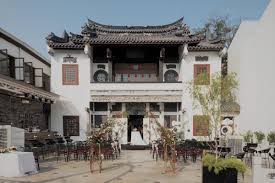
Kopitiams are more than just coffee shops; they are community hubs. Patrons gather here for breakfast, casual meetings, and lively discussions. Kopi is often paired with local delights like kaya toast, soft-boiled eggs, and other breakfast fare. The drink’s preparation, presentation, and consumption reflect the blend of cultures—Hokkien, Malay, Chinese, and Western—that defines Singapore.
Understanding Kopi Brewing Methods
Singaporean kopi is known for its unique brewing technique. Traditionally, coffee is roasted with sugar and margarine, giving it a rich caramelized aroma. The brewed coffee is filtered through a sock-like cloth, called the “sock filter,” which allows the oils and flavors to develop fully. This method, although labor-intensive, produces a strong and flavorful cup that is different from Western drip or espresso coffee.
At home, kopi can be made using a French press or pour-over, but the traditional sock-filter method remains the most authentic. When preparing kopi, it is essential to balance the coffee-to-water ratio, maintain a steady pouring technique, and allow adequate brewing time to extract the deep flavors. Adding evaporated or condensed milk enhances the creaminess, while sugar levels can be adjusted to taste.
Kopi Types and Ordering Lingo
One of the most intriguing aspects of Singapore kopi is its complex ordering system. Locals use a combination of Hokkien, Malay, and English terms to specify the coffee type, sugar content, milk type, and temperature. Here’s a detailed breakdown of the most common variants:
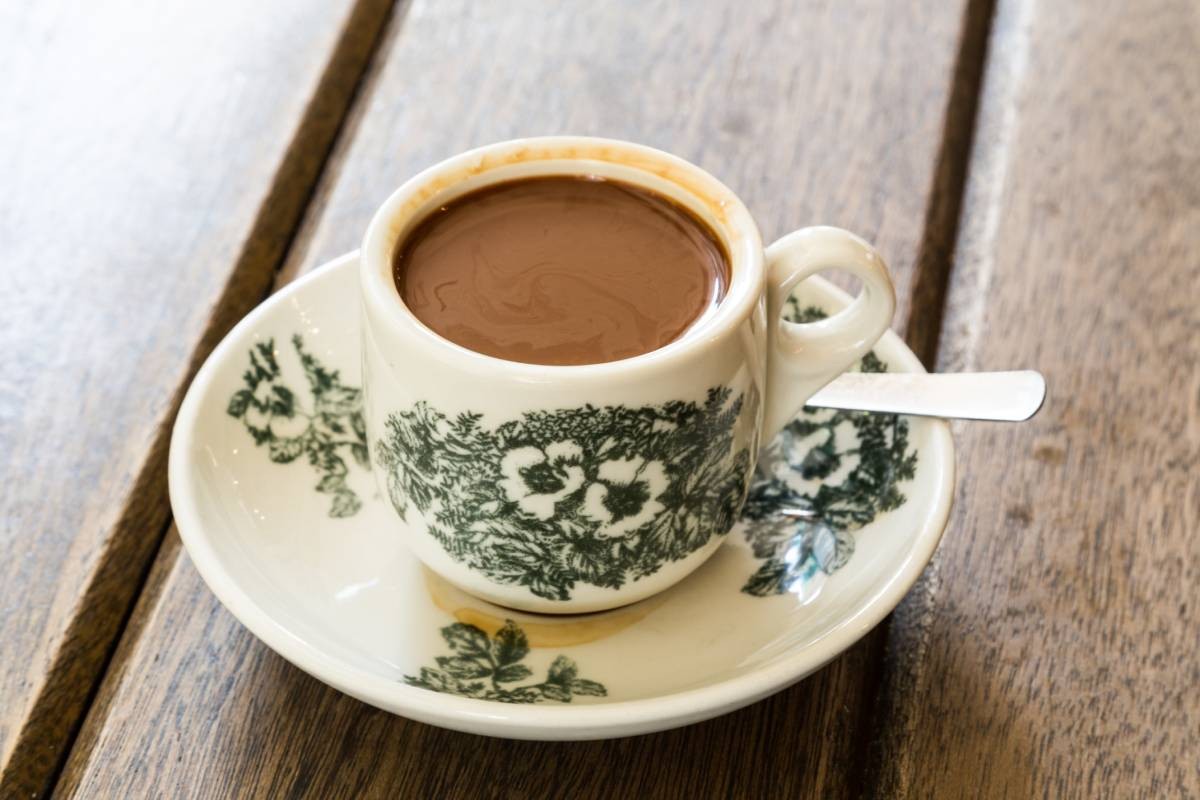
- Kopi: Traditional coffee with condensed milk and sugar.
- Kopi O: Black coffee with sugar, no milk.
- Kopi C: Coffee with evaporated milk and sugar.
- Kopi O Kosong: Black coffee without sugar.
- Kopi Siew Dai: Less sugar than regular kopi.
- Kopi C Kosong: Evaporated milk coffee without sugar.
- Kopi Peng: Iced coffee with condensed milk.
- Kopi O Peng: Iced black coffee with sugar.
- Kopi C Peng: Iced evaporated milk coffee with sugar.
- Kopi Halia: Coffee with ginger infusion, great for soothing digestion.
Understanding this ordering system is crucial for tourists who want to navigate kopitiams confidently. Advanced guides suggest observing locals, noting how sugar levels are adjusted, and trying variations progressively to appreciate the subtle differences.
Sensory Guide: Tasting Kopi Like a Connoisseur
The taste of kopi is as much about texture and aroma as it is about flavor. Traditional robusta beans provide a strong, bitter base, while roasting with margarine and sugar adds caramelized notes. Condensed or evaporated milk contributes to a creamy mouthfeel and smooth finish.
When tasting kopi, pay attention to the following elements:
- Aroma: Notes of caramel, roasted beans, and a subtle smokiness.
- Body: Full-bodied with a slightly syrupy consistency.
- Sweetness: Balanced by condensed or evaporated milk; can be adjusted with “siew dai” or “kosong.”
- Temperature: Hot kopi delivers the richest aroma, while iced kopi offers a refreshing balance for warm days.
Advanced enthusiasts may also explore kopi blends from specific kopi shops, noting regional differences in bean roast, milk ratios, and brewing time.
Kopi Pairings: Beyond Kaya Toast
While kaya toast is the traditional companion for kopi, there are numerous other pairings to elevate the experience:
- Soft-boiled eggs with soy sauce and pepper: A classic breakfast set.
- Roti prata: Crispy, savory flatbread complements strong coffee.
- Nasi lemak: Coconut rice with spicy sambal balances the sweetness of kopi.
- Local pastries: Pandan cake or coconut tarts enhance aroma contrasts.
For foodies, experimenting with different pairings provides a deeper appreciation of kopi’s versatility and integration into Singaporean cuisine.
Iconic Kopitiams and Must-Visit Coffee Spots
Singapore boasts a mix of traditional and modern kopitiams. Some iconic establishments include:
- Ya Kun Kaya Toast: Famous for kaya toast and consistent kopi quality.
- Killiney Kopitiam: Historical kopitiam with rich cultural heritage.
- Tong Ah Coffee Shop: Known for strong, aromatic coffee and vintage charm.
- Tiong Bahru Bakery: Offers a modern twist on traditional kopi with artisanal pastries.
Advanced travelers may seek hidden local kopitiams in neighborhoods like Tiong Bahru, Geylang, or Jalan Besar for authentic experiences.
Making Kopi at Home: Expert Tips
Replicating Singapore kopi at home requires attention to detail. Key tips include:
- Bean selection: Use robusta beans for authenticity, lightly roasted with sugar and margarine.
- Proper filtration: A sock filter or fine mesh ensures smooth extraction.
- Milk integration: Condensed milk for sweetness and creaminess, evaporated milk for subtle richness.
- Sugar calibration: Adjust according to preference; “siew dai” for less sweet.
- Iced versions: Brew strong coffee and chill before adding ice to prevent dilution.
For an advanced twist, some enthusiasts add a hint of ginger or pandan to the brew, reflecting local flavors and heritage.
Cultural Insights: Kopi as a Social Ritual
Kopi is not just a beverage; it embodies social and cultural interactions. In kopitiams, ordering kopi is an etiquette lesson:
- Queue patiently: Most kopitiams operate on first-come, first-served principles.
- Specify clearly: Use local lingo to ensure accurate orders.
- Engage with staff: Friendly banter is common and appreciated.
- Respect communal spaces: Kopitiams are shared spaces, often bustling with families, elderly patrons, and friends.
Observing these norms allows visitors to enjoy a richer, more authentic experience.
Advanced Kopi Variations and Specialty Blends
While traditional kopi dominates, modern cafes in Singapore experiment with blends:
- Single-origin kopi: Beans sourced from specific regions, emphasizing unique flavor profiles.
- Specialty roasts: Light, medium, or dark roast adjustments.
- Infusions: Ginger, pandan, or gula Melaka (palm sugar) for added aroma.
- Iced specialty drinks: Creative iced coffee variations with syrups or milk alternatives.
Advanced coffee enthusiasts can explore workshops and tastings offered by specialty cafes to deepen their knowledge.
Tips for Tourists: Navigating Kopitiams Efficiently
For first-time visitors:
- Observe local ordering habits: Copy phrases and gestures.
- Start with traditional variants: Kopi, kopi O, and kopi C are good introductions.
- Ask for recommendations: Many kopitiam staff are happy to suggest their specialty.
- Timing matters: Breakfast hours are busiest, but also provide the freshest coffee.
Using these tips, tourists can blend in and experience kopi as locals do.
Kopi Etiquette and Sustainability
Sustainability is an emerging trend in kopi culture:
- Reusable cups: Some modern kopitiams encourage bringing personal cups.
- Ethical sourcing: Specialty cafes often highlight fair-trade or sustainably sourced beans.
- Minimal waste: Proper disposal of coffee grounds, recycling milk containers, and composting is becoming common.
Learning these practices enriches the experience and supports responsible coffee culture.
Kopi Festivals and Events
Although Singapore does not have large national kopi festivals, specialty cafes occasionally host events:
- Coffee tasting workshops: Highlight different beans and brewing methods.
- Cultural exhibitions: Showcasing kopi heritage and historical artifacts.
- Barista competitions: Engage advanced coffee enthusiasts.
Participating in these events provides both cultural and educational enrichment.
Exploring Kopi Beyond Singapore
Kopi culture extends into Malaysia and other Southeast Asian regions. Comparing Singapore kopi with Malaysian kopi reveals subtle differences:
- Roast style: Malaysian kopi is often darker and sweeter.
- Serving style: Malaysian variants may include more condensed milk or local spices.
- Social context: Singaporean kopi focuses more on community and ritualized social interaction.
Advanced coffee connoisseurs can taste both versions to appreciate regional nuances.
Interactive Experience: Building Your Own Kopi Journey
For those who want to immerse themselves fully:
- Kopi passport: Track different variants tried across Singapore.
- Photo journal: Document kopitiam visits with notes on taste, texture, and aroma.
- Pairing experiments: Combine different local foods with kopi for unique experiences.
This approach blends travel, culture, and gastronomy into a memorable journey.
Final Thoughts on Singapore Kopi
Singapore kopi is a cultural treasure that goes beyond a simple caffeine fix. Its history, social significance, and variety make it a must-experience for anyone visiting the city. Understanding its origins, mastering the ordering lingo, savoring each variant, and exploring local kopitiams ensures an authentic and immersive experience. With a growing appreciation for specialty and sustainable coffee, the Singapore kopi scene continues to evolve while honoring its rich heritage.