Yen Yakiniku represents a modern interpretation of Japanese barbecue dining where food preparation becomes part of the social experience rather than remaining hidden inside a kitchen. Unlike traditional restaurant formats where meals arrive fully prepared, yakiniku introduces interaction between diners and ingredients through tabletop grilling systems designed for precision cooking. The popularity of Yen Yakiniku has grown rapidly because it combines premium meat quality, controlled cooking techniques, contemporary restaurant design, and group-friendly dining concepts that appeal to both casual visitors and serious food enthusiasts. Understanding Yen Yakiniku requires more than simply viewing it as a barbecue restaurant because its success comes from blending Japanese culinary philosophy with modern hospitality expectations, allowing guests to experience flavor customization, texture control, and cooking participation at the same time. The brand positioning focuses on accessibility without removing premium identity, meaning diners receive high-quality ingredients while maintaining flexibility in pricing, portion selection, and meal pacing. This balance explains why Yen Yakiniku attracts couples, families, corporate groups, tourists, and first-time yakiniku diners equally.
Understanding the Meaning of Yakiniku
The word yakiniku translates directly to grilled meat, yet the dining concept extends far beyond literal translation. Traditional Japanese grilling emphasizes ingredient respect, controlled heat exposure, and minimal seasoning so natural meat flavors remain dominant. At Yen Yakiniku, this philosophy becomes visible through thin slicing methods, marinated and non-marinated options, and carefully portioned cuts that cook rapidly over smokeless grills. Unlike Western barbecue traditions that rely heavily on sauces or long cooking durations, yakiniku prioritizes speed, freshness, and texture preservation. Each cut is intentionally prepared to cook within seconds rather than minutes, allowing diners to experience multiple flavor variations throughout one meal. This constant rotation of grilling, eating, and selecting new cuts creates engagement that keeps diners active throughout the experience instead of passively waiting for courses. The cultural significance also lies in sharing because yakiniku encourages communal participation where everyone contributes to cooking decisions, enhancing conversation and social bonding.
Evolution of Yen Yakiniku Concept
Modern Yen Yakiniku locations demonstrate how traditional cooking styles adapt to contemporary urban dining demands. Earlier yakiniku restaurants focused primarily on authenticity and chef authority, while newer concepts introduce customer autonomy supported by efficient ventilation systems and advanced grilling technology. The evolution includes smokeless charcoal alternatives, digital ordering systems, structured buffet tiers, and curated meat selections designed to simplify decision making. Yen Yakiniku successfully bridges authenticity and convenience by preserving Japanese grilling techniques while removing barriers that once intimidated beginners. The environment welcomes diners unfamiliar with grilling by offering guidance through menu structure, recommended combinations, and staff assistance without overwhelming technical complexity. This evolution also aligns with changing consumer expectations where dining experiences must provide entertainment value alongside food quality.
Restaurant Atmosphere and Interior Experience
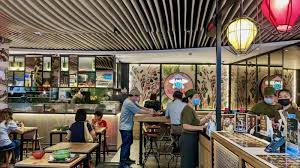
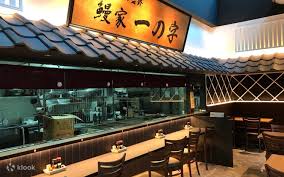
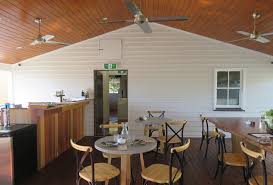
Entering a Yen Yakiniku restaurant typically introduces guests to a refined yet energetic atmosphere characterized by warm lighting, wood textures, minimalist décor, and carefully spaced seating arrangements. Tables are designed around built-in grill stations that function as the visual centerpiece of the dining environment. The layout encourages privacy while maintaining communal vibrancy, ensuring conversations remain comfortable despite surrounding activity. Ventilation systems operate quietly above each grill, preventing smoke accumulation and allowing guests to enjoy extended meals without discomfort. Interior design choices frequently reflect modern Japanese aesthetics rather than traditional themes, creating accessibility for international audiences while preserving cultural identity. Seating variations may include booth arrangements for families, counter seating for couples, and larger tables suitable for celebrations or corporate gatherings. The ambiance balances sophistication with relaxation, making Yen Yakiniku suitable for casual dining as well as special occasions.
Tabletop Grilling Technology and Functionality
One of the defining characteristics of Yen Yakiniku lies in its advanced tabletop grilling systems engineered for temperature consistency and safety. These grills distribute heat evenly across the cooking surface, ensuring thin meat slices cook rapidly without burning edges or drying interiors. Temperature regulation allows diners to manage cooking speed depending on meat thickness or personal preference. Non-stick grill surfaces reduce sticking while enabling caramelization essential for flavor development. Modern ventilation mechanisms immediately extract smoke and grease particles, preserving air quality within the dining area. This technological integration transforms grilling from a potentially messy activity into a controlled culinary process accessible to beginners and experienced diners alike. Understanding grill zones becomes essential because different areas provide varying heat intensity suitable for vegetables, seafood, or premium wagyu cuts.
Menu Structure and Ordering Logic
The Yen Yakiniku menu is intentionally structured to guide diners through progressive flavor exploration. Instead of overwhelming guests with random options, categories are typically organized according to meat type, marination style, and premium grading levels. Initial selections often include lighter cuts such as chicken or pork to prepare the palate before transitioning toward richer beef varieties. Seafood options provide contrast between heavier meat courses, while vegetables contribute balance and texture variation. Buffet systems, where available, allow unlimited ordering within time limits, encouraging experimentation across multiple categories. À la carte menus focus on quality precision, offering smaller portions of premium cuts ideal for controlled tasting experiences. The ordering logic supports gradual escalation from mild flavors to intense umami richness, ensuring diners avoid flavor fatigue during extended meals.
Understanding Beef Cuts at Yen Yakiniku
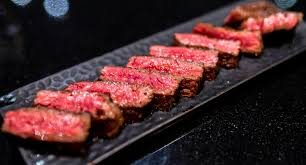
A key advantage of Yen Yakiniku lies in presenting diverse beef cuts rarely encountered in standard restaurants. Each cut delivers unique texture, fat distribution, and flavor intensity influenced by muscle usage and marbling characteristics. Short ribs provide balanced fat content producing juicy results after brief grilling. Ribeye sections deliver pronounced richness due to higher marbling ratios. Tenderloin cuts emphasize softness rather than fat intensity, appealing to diners preferring leaner textures. Ox tongue introduces firm yet delicate chew that develops smoky flavor quickly when grilled properly. Thin slicing remains essential because it allows heat penetration within seconds, preserving tenderness while enhancing caramelization. Learning how each cut behaves on the grill significantly improves dining satisfaction, transforming meals into interactive tasting sessions rather than simple consumption.
Wagyu Beef Appreciation and Quality Factors
Wagyu beef occupies a central position within many Yen Yakiniku menus because of its exceptional marbling and buttery texture. Marbling refers to intramuscular fat distribution that melts during cooking, creating moisture and flavor intensity impossible to replicate with standard beef. Higher wagyu grades demonstrate finer fat dispersion leading to softer mouthfeel and prolonged flavor release. Proper grilling becomes crucial because excessive heat can cause fat loss before caramelization occurs. Ideal cooking involves brief exposure followed by immediate consumption, allowing fat to remain integrated within the meat structure. Wagyu appreciation also involves portion awareness since richness accumulates rapidly, encouraging diners to alternate between lighter cuts or vegetables for balance.
Marination Techniques and Flavor Profiles
Yen Yakiniku menus typically offer both marinated and natural meat selections to accommodate diverse preferences. Marinades enhance flavor complexity through soy-based sauces, garlic infusions, sesame oil blends, or sweet umami reductions designed to complement grilling caramelization. Non-marinated cuts emphasize natural meat flavor, allowing diners to control seasoning using dipping sauces after cooking. Understanding this distinction helps diners design personalized flavor progression during meals. Beginning with unseasoned cuts often enhances appreciation for ingredient quality before transitioning toward stronger marinades later in the experience.
Signature Side Dishes and Complementary Items
Side dishes play an essential supporting role by refreshing the palate between meat courses. Common accompaniments include salads, kimchi variations, pickled vegetables, rice bowls, soups, and Japanese appetizers that provide acidity or crunch contrasting grilled richness. Lettuce wraps allow diners to combine meat with vegetables and sauces, creating balanced bites that reduce heaviness. Rice functions as both flavor absorber and texture stabilizer, especially when paired with intensely marbled beef. Soups contribute warmth while resetting taste perception, enabling continued enjoyment across extended dining sessions.
Sauce Pairing Strategy for Maximum Flavor
Sauces at Yen Yakiniku are designed to enhance rather than overpower grilled meats. Light soy-based dips emphasize salt balance, while citrus sauces introduce brightness cutting through fat richness. Sesame sauces contribute nuttiness suitable for leaner cuts. Spicy pastes provide contrast for diners seeking stronger impact. Effective pairing involves matching sauce intensity with meat richness, ensuring neither element dominates the other. Many experienced diners alternate sauces throughout meals to maintain flavor excitement.
Step-by-Step Dining Experience Walkthrough
Arrival typically begins with staff guidance explaining grill usage and menu structure. Ordering initial selections allows grills to preheat while appetizers arrive. Diners begin grilling lighter items, observing cooking speed before transitioning toward premium cuts requiring closer attention. Continuous ordering maintains food flow, preventing overcrowding on the grill. Conversation naturally integrates with cooking activity, creating shared engagement among guests. Toward meal completion, lighter dishes or desserts provide closure while reducing post-meal heaviness. This structured progression enhances satisfaction compared to unplanned ordering.
Best Strategy for First-Time Visitors
First-time diners benefit from starting with mixed platters that introduce multiple cuts simultaneously. Observing cooking time differences helps develop confidence quickly. Avoid placing excessive meat on the grill since overcrowding reduces heat efficiency. Eat smaller portions frequently rather than cooking large batches at once. Alternate rich meats with vegetables or rice to maintain palate sensitivity throughout the meal.
Group Dining Advantages
Yakiniku dining naturally supports group interaction because responsibilities distribute among participants. Some individuals manage grilling while others focus on ordering or assembling wraps. This collaborative dynamic strengthens social connection and keeps energy levels high during meals. Large groups can explore wider menu variety, making buffet formats especially appealing.
Pricing Structure and Value Perception
Yen Yakiniku pricing varies according to location, meat grade, and dining format. Buffet models emphasize quantity flexibility while premium menus prioritize ingredient quality. Value perception depends on ordering strategy rather than price alone. Selecting balanced combinations of premium and standard cuts often maximizes satisfaction without unnecessary expense. Understanding portion size prevents waste while maintaining cost efficiency.
Service Style and Hospitality Standards
Service at Yen Yakiniku typically balances attentiveness with dining independence. Staff remain available for grill assistance, menu recommendations, and replenishment without interrupting conversation flow. Efficient plate replacement and timely food delivery ensure smooth pacing throughout meals.
Health Considerations and Balanced Eating
Despite being meat-focused, yakiniku meals can remain balanced when vegetables, soups, and moderate portions accompany grilled selections. Quick grilling preserves nutrients while reducing excess oil usage compared to deep frying methods. Choosing lean cuts alongside marbled varieties supports dietary moderation.
Ideal Occasions for Visiting Yen Yakiniku
The restaurant concept adapts well to celebrations, casual gatherings, business dinners, and date nights due to flexible pacing and interactive engagement. Shared cooking removes formal pressure often associated with fine dining environments.
Common Mistakes Diners Should Avoid
Overcooking premium beef remains the most frequent mistake because thin slices require minimal heat exposure. Using excessive sauce before tasting natural flavor also reduces appreciation of ingredient quality. Ignoring grill temperature zones may result in uneven cooking outcomes.
Dessert and Meal Completion Experience
Desserts typically introduce cooling textures such as ice cream or light sweets that counterbalance grilled richness. Ending meals gradually rather than abruptly enhances overall satisfaction.
Comparison Between Buffet and Premium Dining Styles
Buffet dining emphasizes exploration and abundance while premium selections focus on curated excellence. Choosing between them depends on dining goals, appetite level, and occasion type.
Why Yen Yakiniku Appeals to Modern Diners
The success of Yen Yakiniku lies in transforming dining into participation. Guests become active contributors rather than passive consumers, creating memorable experiences beyond food alone.
Future of Interactive Japanese Barbecue Dining
Interactive dining concepts continue gaining popularity because they merge entertainment with culinary quality. Yen Yakiniku exemplifies this evolution by maintaining authenticity while adapting to modern expectations.
Final Expert Recommendations for the Best Experience
Visit during non-peak hours for relaxed grilling. Begin with lighter cuts before premium wagyu selections. Share responsibilities within groups to enhance interaction. Experiment with sauce combinations gradually. Maintain steady pacing rather than rushing orders. Appreciate each cut individually to understand flavor variation. Ending the meal with balanced sides ensures comfort and satisfaction.
Conclusion
Yen Yakiniku stands as more than a restaurant; it represents a complete culinary system combining culture, technique, social interaction, and ingredient appreciation. By understanding menu structure, grilling strategy, and flavor balance, diners unlock the full potential of the experience rather than treating it as ordinary barbecue. Mastery of yakiniku dining transforms each visit into a personalized journey shaped by choice, timing, and shared enjoyment, ensuring lasting appeal among modern food enthusiasts seeking both quality and engagement.