

 By Singapore Local News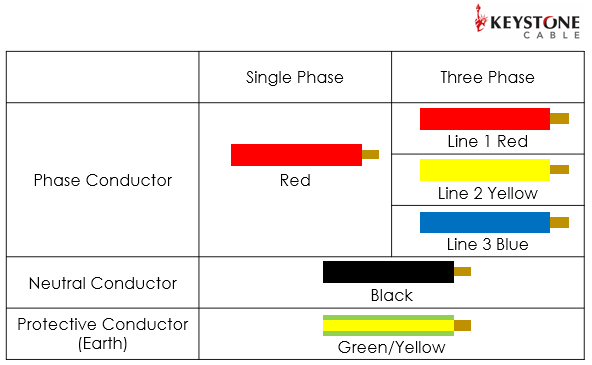
Singapore cable color code is the standardized system used to identify electrical conductors for safe installation, maintenance, and troubleshooting across residential, commercial, and industrial properties.
Introduction to Singapore Cable Color Code
Electrical wiring systems rely on clear visual identification to ensure safe connections and prevent dangerous mistakes. In Singapore, cable colors are not random choices; they follow strict standards aligned with international regulations. Proper understanding of conductor colors is essential for electricians, engineers, inspectors, property owners, and students entering the electrical field.
Color identification simplifies installation, enhances safety, reduces maintenance errors, and ensures compatibility with imported equipment. Whether dealing with single-phase household wiring or complex three-phase industrial systems, knowing the approved color scheme is a fundamental requirement.
Evolution of Electrical Color Standards in Singapore
Historical Wiring Practices
In earlier years, Singapore followed older British-based wiring color conventions. These colors differed significantly from modern international standards, which sometimes caused confusion when new installations were integrated with older systems.
Old single-phase wiring commonly used:
- Red for live
- Black for neutral
- Green for earth
Old three-phase systems used:
- Red
- Yellow
- Blue
These older configurations are still found in buildings constructed before regulatory transitions.
Transition to International Harmonization
To align with IEC standards and promote global consistency, Singapore adopted updated wiring colors. This move reduced compatibility issues with imported electrical devices and improved safety uniformity.
Modern standards now use:
- Brown for live
- Blue for neutral
- Green/Yellow for earth
Three-phase wiring now follows:
- Brown (L1)
- Black (L2)
- Grey (L3)
- Blue (Neutral)
- Green/Yellow (Earth)
This harmonization significantly reduced cross-border wiring confusion.
Why singapore cable color code Are Critically Important
1. Electrical Safety
Color identification prevents dangerous mistakes such as reversing live and neutral connections. Incorrect wiring can cause electric shocks, fires, equipment damage, or fatal injuries.
2. Faster Troubleshooting
Technicians can quickly identify conductors during maintenance without excessive testing.
3. Regulatory Compliance
Installations must follow the approved wiring code to pass inspections.
4. System Compatibility
Imported appliances and switchgear depend on standardized color interpretation.
Singapore Cable Color Code for Single-Phase Systems
Single-phase systems are common in homes, small offices, and light commercial buildings.
Live Conductor (Phase)
Color: Brown
Function: Carries current from supply to load
The live wire is the most dangerous conductor. It must always be handled carefully and isolated before servicing.
Neutral Conductor
Color: Blue
Function: Returns current to the source
The neutral conductor completes the circuit and must never be mistaken for earth.
Earth (Protective Conductor)
Color: Green with Yellow stripe
Function: Safety grounding
The earth wire protects users by directing fault current safely into the ground.
Singapore Cable Color Code for Three-Phase Systems
Three-phase systems are used in industrial facilities, high-capacity commercial environments, and heavy machinery setups.
Phase L1
Color: Brown
Phase L2
Color: Black
Phase L3
Color: Grey
Neutral
Color: Blue
Earth
Color: Green/Yellow
Balanced load distribution across all three phases ensures stable operation and prevents overheating.
Comparing Old and New Wiring Colors
Single-Phase Comparison
| Function | Old Color | New Color |
|---|---|---|
| Live | Red | Brown |
| Neutral | Black | Blue |
| Earth | Green | Green/Yellow |
Three-Phase Comparison
| Phase | Old Color | New Color |
|---|---|---|
| L1 | Red | Brown |
| L2 | Yellow | Black |
| L3 | Blue | Grey |
Understanding both systems is essential when working in older buildings.
Common Mistakes in Electrical Wiring
Mixing Old and New Systems
One of the most dangerous errors is connecting old red wires to new brown circuits without clear labeling.
Ignoring Neutral Identification
Neutral wires are often assumed safe, but they can carry current under load.
Improper Earth Connections
Failure to connect earth properly removes critical safety protection.
Advanced Technical Insights into Cable Identification
Cable Insulation Types
Color coding applies to insulation layers. Different cable types include:
- PVC insulated cables
- XLPE insulated cables
- Armoured cables
- Flexible cords
Each must maintain proper conductor identification internally.
Marking and Labeling
In large installations, additional labels are used along with color coding to avoid confusion.
Multi-Core Cable Identification
Multi-core cables may contain several conductors wrapped in one sheath. Proper internal color consistency is required.
Electrical Load and Phase Balancing
In three-phase systems, balancing loads across brown, black, and grey phases prevents:
- Voltage fluctuations
- Transformer overload
- Excessive heating
- Equipment damage
Phase imbalance is a leading cause of industrial breakdowns.
Safety Practices When Handling Electrical Cables
Always Isolate Power
Switch off and verify isolation using proper testing equipment.
Use Approved Tools
Insulated tools reduce shock risk.
Follow Lockout Procedures
Industrial environments require strict lockout and tagging.
Understanding Voltage Ratings
Singapore cable color code does not indicate voltage level. Always check cable rating markings printed on insulation.
Low-voltage systems may use the same color scheme but operate at different voltage levels.
Residential Wiring Applications
Homes typically use:
- Single-phase 230V supply
- Brown for live
- Blue for neutral
- Green/Yellow for earth
Common applications include:
- Lighting circuits
- Power socket circuits
- Air-conditioning units
- Water heaters
Commercial Installation Considerations
Commercial buildings may combine single-phase and three-phase systems. Clear separation and labeling are mandatory.
Cable trays, trunking systems, and distribution boards must clearly organize conductors.
Industrial Power Distribution
Heavy machinery relies on correct phase sequencing. Incorrect sequencing may cause motors to rotate in the wrong direction.
Motor terminals must match phase identification.
Cable Testing and Verification
Continuity Testing
Ensures conductor integrity.
Insulation Resistance Testing
Checks insulation strength.
Phase Sequence Testing
Verifies correct phase order in three-phase systems.
Singapore cable color code and Circuit Protection
Circuit breakers and RCD devices work alongside proper conductor identification.
Misidentified wires can prevent protective devices from functioning correctly.
Inspection and Maintenance Guidelines
Routine inspections should include:
- Visual singapore cable color code confirmation
- Checking for faded insulation
- Ensuring no unauthorized modifications
Aging cables may lose clarity, requiring relabeling.
Training and Certification Importance
Professional electricians undergo formal training to understand conductor identification standards.
Improper DIY wiring increases accident risks significantly.
Special Situations and Exceptions
Control Circuits
Control panels may use additional color variations for signaling.
DC Systems
Direct current systems may follow different singapore cable color code conventions.
Imported Equipment
Always verify manufacturer instructions before integration.
Future Trends in Cable Identification
Technological advances may include:
- Smart cable tagging
- RFID-based identification
- Enhanced insulation materials
- Digital monitoring systems
However, singapore cable color code remains the primary visual standard.
Frequently Asked Technical Questions
Can old and new colors coexist?
Yes, but clear labeling and documentation are required.
Does color alone guarantee safety?
No. Always test before touching conductors.
Are flexible appliance cords the same?
Flexible cords may follow slightly different conventions but remain compatible.
Practical Checklist for Electricians
- Confirm supply isolation
- Identify conductor color
- Verify using tester
- Label clearly
- Document modifications
Final Thoughts on Singapore Cable Color Code
Understanding singapore cable color code ensures safer installations, faster maintenance, and regulatory compliance. Whether working in residential homes or industrial facilities, correct conductor identification reduces risk and improves system reliability.
Mastering this standard is not optional; it is a fundamental responsibility in electrical practice.
 Global Arena
  Khubaib Jamil