

 By Singapore Local News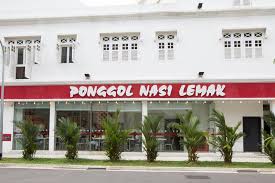
Punggol Nasi Lemak is a beloved dish in Singapore, renowned for its fragrant coconut rice, spicy sambal, crispy anchovies, roasted peanuts, and perfectly cooked eggs. This iconic dish represents a perfect blend of traditional Malay flavors with local Singaporean influence. The dish has evolved over the years, adapting to modern tastes while still keeping its authentic roots.
The History and Origin of Nasi Lemak
Nasi lemak originated as a simple Malay dish consumed by farmers and laborers for breakfast. The term “nasi lemak” translates to “rich rice” due to the creamy texture imparted by coconut milk. Over time, the dish spread throughout Singapore and Malaysia, becoming a national favorite.
Evolution in Singapore
In Singapore, nasi lemak has taken on multiple forms. Local variations include additions like fried chicken, otah, sambal prawns, and even vegetarian options. The evolution of Punggol Nasi Lemak specifically can be attributed to the neighborhood’s vibrant hawker culture and the demand for convenient, flavorful meals.
Ingredients That Define Authentic Nasi Lemak
- Coconut milk-infused rice
- Spicy sambal sauce
- Crispy ikan bilis (anchovies)
- Roasted peanuts
- Boiled or fried eggs
- Optional accompaniments: fried chicken, otah, or squid
Understanding Punggol’s Food Scene
Punggol is a northeastern neighborhood in Singapore known for its residential developments and family-friendly environment. Despite being a modern town, it has a strong connection to traditional foods, with hawker centers and coffee shops serving authentic flavors.
Popular Eating Spots in Punggol
- Punggol Nasi Lemak at Punggol Field
- Local hawker centers near Waterway Point
- Cafes offering modern twists on traditional dishes
Accessibility and Convenience
Most nasi lemak stalls in Punggol offer takeaway and delivery options, catering to the busy lifestyles of residents. Delivery platforms like foodpanda and GrabFood have also expanded accessibility, allowing for a wider reach.
Components of a Perfect Punggol Nasi Lemak
Rice
The rice is the cornerstone of nasi lemak. It is cooked in coconut milk with pandan leaves, giving it a fragrant aroma and rich flavor. The texture should be fluffy yet slightly sticky.
Sambal
Sambal is the spicy chili paste that gives nasi lemak its signature kick. It is typically made from red chilies, onions, garlic, tamarind, and sometimes belacan (fermented shrimp paste). The heat level varies between stalls, making it an essential point of comparison.
Ikan Bilis and Peanuts
Crispy anchovies and roasted peanuts add crunch and a nutty flavor that contrasts with the soft rice. They are essential for textural balance.
Eggs
Boiled eggs are standard, but some stalls offer fried eggs or omelets. The egg adds protein and richness to the dish.
Optional Side Dishes
- Fried chicken or chicken wing
- Otah (spiced fish paste wrapped in banana leaf)
- Sambal prawns
- Vegetables like cucumbers or long beans
Taste Profiles and Flavor Combinations
The beauty of Punggol Nasi Lemak lies in the balance of flavors:
- Creamy and fragrant rice
- Sweet, spicy, and tangy sambal
- Salty crunch from ikan bilis
- Nutty taste from peanuts
- Rich protein from eggs or meats
Customizing Your Meal
Customers often adjust the spiciness level or choose specific protein combinations. Understanding these preferences can enhance the eating experience.
Popular Punggol Nasi Lemak Stalls
Old Punggol Nasi Lemak
Known for its classic flavors, generous portions, and traditional sambal. The stall has built a loyal following among locals.
Punggol Field Nasi Lemak
Offers a variety of side dishes and customizable spice levels. The rice is cooked fresh daily, ensuring consistent quality.
Specialty Cafes and Modern Twists
Some cafes in Punggol have modernized the dish with creative presentations, such as nasi lemak burgers or sambal aioli fusion dishes.
Comparing Punggol Nasi Lemak to Other Regions
While Punggol’s version is known for its balance and authenticity, other regions in Singapore have different specialties:
- Katong: Slightly sweeter sambal, smaller portions
- Jurong: Heavier on fried accompaniments, more savory
- Chinatown: Gourmet twists, fusions with Western ingredients
Cultural Significance
Nasi lemak is more than just a meal; it represents community, heritage, and comfort. In Punggol, it is a dish that connects generations, from grandparents to young families. The act of sharing nasi lemak at breakfast or lunch fosters social bonds and local identity.
Visual Presentation
The visual appeal of Punggol Nasi Lemak enhances the dining experience:
- Banana leaf wrapping: traditional and eco-friendly
- Vibrant sambal color: bright red-orange for appetite stimulation
- Neatly arranged components: rice, proteins, and sides separated for clarity
- Garnishes: cucumber slices, fried shallots, and herbs
Importance of High-Quality Food Photography
Professional photography can highlight textures, colors, and portion sizes, influencing customer perception and online engagement. It is an untapped opportunity for Punggol Nasi Lemak stalls to attract social media attention.
Nutritional Information
While nasi lemak is indulgent, understanding its nutritional content is important:
- Rice: Carbohydrates and calories from coconut milk
- Sambal: Vitamins and antioxidants from chili peppers
- Eggs and proteins: Protein and fats
- Peanuts: Healthy fats and minerals
- Optional fried sides increase calorie count
Healthier Variations
- Brown rice or mixed grains
- Reduced oil in fried chicken or otah
- Sambal with lower sugar content
Ordering Tips
- Check spice levels: mild, medium, or extra spicy
- Choose protein combinations wisely
- Consider portion sizes for takeaway or delivery
- Explore combo meals for variety
Customer Experience Insights
Feedback from diners highlights key factors:
- Consistency of rice and sambal flavor
- Freshness of side dishes
- Cleanliness and hygiene of stalls
- Friendliness and speed of service
Addressing Common Complaints
- Avoid overcooked or soggy rice
- Ensure sambal is not overly oily
- Maintain crispiness of anchovies and peanuts
- Serve eggs cooked properly to avoid dryness
Marketing and Online Presence
Many Punggol Nasi Lemak stalls rely on word-of-mouth, but digital marketing can boost visibility:
- Google My Business optimization for local SEO
- High-quality photos on social media platforms
- Customer reviews and testimonials
- Collaborations with food bloggers and influencers
Content Opportunities
- Blog posts about the history and evolution of Punggol Nasi Lemak
- Videos demonstrating cooking techniques
- Infographics comparing stalls, taste profiles, and prices
- Customer spotlights and stories
Comparative Analysis Table
| Stall | Rice Quality | Sambal Flavor | Side Options | Price | Customer Rating |
|---|---|---|---|---|---|
| Old Punggol Nasi Lemak | Fluffy, fragrant | Spicy, slightly sweet | Fried chicken, egg, peanuts | $$ | 4.5/5 |
| Punggol Field Nasi Lemak | Soft, aromatic | Medium spicy | Otah, prawns, egg | $$ | 4.3/5 |
| Modern Cafe Twist | Flavored rice variants | Mild, creative sauces | Gourmet sides | $$$ | 4.2/5 |
Food Pairings
- Traditional: Kopi or teh tarik
- Modern: Fresh juice or iced coffee
- For takeaways: Simple soft drinks
Seasonal and Special Variations
Some stalls introduce seasonal items:
- Special sambal for festivals
- Limited-edition sides (crispy squid, sambal prawns)
- Combo sets for family packs
Sustainability Practices
- Using banana leaves instead of plastic plates
- Sourcing local ingredients to reduce carbon footprint
- Eco-friendly packaging for takeaway
Future Trends for Punggol Nasi Lemak
- Increased demand for healthier options
- Gourmet and fusion adaptations
- Expansion of delivery and cloud kitchen models
- Integration of digital ordering and loyalty programs
Community Engagement
- Collaborating with local schools and events
- Charity drives or donation-based meal programs
- Food workshops and cooking classes
Tips for New Entrants
- Focus on authentic flavors and consistent quality
- Offer visual appeal and social media shareability
- Understand local taste preferences and dietary trends
- Incorporate customer feedback loops
Conclusion
Punggol Nasi Lemak is more than a meal; it embodies culture, community, and culinary tradition. By understanding its history, components, and customer preferences, one can fully appreciate the richness of this dish. For new stalls or articles, the opportunity lies in combining depth, visuals, storytelling, and digital presence to stand out in a competitive market.
 Global Arena
  Khubaib Jamil