

 By Singapore Local News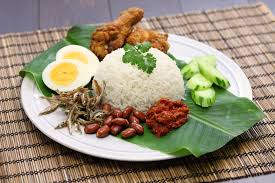
Nasi lemak is more than just a meal. In Singapore, it is a cultural symbol, a culinary tradition, and a deeply loved dish that represents harmony between flavors and heritage. This ultimate guide explores everything you need to know about nasi lemak in Singapore — from history and ingredients to where to find the best versions and how to appreciate every layer of taste and texture.
What Is Nasi Lemak and Why It Matters in Singapore
Nasi lemak is a rich and fragrant dish originally from the Malay archipelago. The name literally means “rich rice,” referring to rice cooked in fragrant coconut milk, resulting in soft, creamy grains with a slightly sweet aroma. While it may be simple in concept, the way it comes together — with spicy sambal, crunchy peanuts, crispy ikan bilis (anchovies), tender eggs, and often rich protein like fried chicken or rendang — makes it unforgettable.
In Singapore, nasi lemak has evolved into a dish that cuts across communities, generations, and occasions. It’s served in humble hawker centers, chic cafes, roadside stalls, and high‑end restaurants. It is eaten for breakfast, lunch, dinner, and even late‑night cravings.
The Roots and Evolution of Nasi Lemak in Singapore
Origins in the Malay World
Nasi lemak originated in the Malay Peninsula and parts of Indonesia — areas that have long histories of cooking rice in coconut milk. The dish became an everyday staple among Malay farmers, fishermen, and workers because of its balanced nutrition: carbohydrates from rice, proteins from eggs and fish, and fats from coconut milk.
Historical Spread Across Singapore
As Singapore grew into a trading hub, nasi lemak travelled with people from many backgrounds. Chinese, Indian, Eurasian, and other communities embraced it, added their own touches, and helped it evolve into a truly Singaporean favorite. Over time, local vendors started experimenting with accompaniments, cooking methods, and portions to match both traditional tastes and modern preferences.
How Singapore Made Nasi Lemak Its Own
What sets Singaporean nasi lemak apart is its adaptability. While the core remains the same, many stalls add influences such as:
- Chinese‑style fried chicken
- Indian‑inspired curries
- Modern twists like squid ink rice or truffle sambal
- Vegan versions with tempeh and plant‑based sambal
This ability to evolve while staying true to flavor is why nasi lemak remains beloved here.
The Heart of the Dish: Ingredients and What They Mean
Coconut Rice — The Foundation of Nasi Lemak
The signature part of nasi lemak is the coconut rice. It is made by cooking rice with a mixture of coconut milk, pandan leaves, salt, and occasionally tiny bits of ginger. The result is rice that feels lush and fragrant, with a sweetness that balances the spicy sambal.
Good coconut rice should:
- Be fluffy yet slightly sticky
- Carry a fresh coconut aroma
- Have layers of richness without being overwhelming
Sambal — The Soul of Flavor
Sambal is a condiment made from chili peppers, onion, garlic, belacan (shrimp paste), tamarind, and sugar. It is spicy, tangy, sweet, and smoky all at once. Each nasi lemak vendor has their own blend, and the quality of sambal often determines how unforgettable the plate becomes.
Key characteristics of great sambal:
- Bright red color but not overly oily
- Balanced heat and sweetness
- Depth from belacan or other umami sources
Traditional Sides That Complete the Experience
Along with rice and sambal, nasi lemak is traditionally served with:
- Ikan bilis (anchovies) — tiny crunchy fish with umami
- Roasted peanuts — for texture contrast
- Cucumber slices — for freshness and cooling
- Boiled or fried egg — adds richness and protein
Protein Variations That Elevate the Meal
Many modern stalls serve additional proteins, such as:
- Fried chicken
- Beef rendang
- Fried fish
- Sotong (squid)
- Fried tofu or tempeh (for vegetarian options)
These proteins contribute flavor and satisfaction, turning a humble plate into a full‑blown meal.
Understanding Flavor Profiles and Textures
Sweet and Creamy — The Coconut Rice Effect
The rice’s subtle sweetness and creaminess are essential; they calm the heat of the sambal and make each bite feel layered.
Spicy, Tangy, and Umami — The Sambal Experience
Sambal introduces a punch that awakens the palate. Good sambal is vibrant and lively — not just fiery.
Crunch and Freshness — Peanuts, Anchovies, and Cucumber
Textural contrast is crucial. Smooth rice plus crunchy nuts and fish plus crisp cucumber is an interplay that makes nasi lemak more than a one‑note dish.
Tenderness and Succulence — Protein Add‑Ons
Fried chicken or rendang should be juicy and flavorful without overpowering the delicate rice and sambal harmony.
How to Eat Nasi Lemak Like a Local
Nasi lemak is best enjoyed by layering flavors and textures. A local approach may look like:
- Start with cool cucumber
- Mix sambal into rice
- Add a piece of protein
- Grab a handful of peanuts and ikan bilis
- Taste, adjust with more sambal if needed
You might notice how the coconut rice soothes the heat, how the crunchy sides add bite, and how the protein brings everything together.
Nasi Lemak Variations Across Singapore
Classic Hawker Center Style
The most beloved style, usually affordable, with traditional accompaniments and sambal made in house. These places often have a steady local following and may sell out early.
Modern Café Style Nasi Lemak
Cafes have taken nasi lemak to new places by:
- Serving with artisanal sambal
- Adding gourmet proteins like smoked duck
- Using premium coconut milk
- Presenting plated versions that look elegant
Fusion Nasi Lemak
Some chefs mix in global influences — such as:
- Japanese‑inspired nori flakes
- Korean gochujang spices
- Western‑style sauces
These versions appeal to diners looking for creativity.
Vegetarian and Vegan Variations
Vegan nasi lemak substitutes animal proteins with:
- Tempeh
- Tofu
- Jackfruit
- Mushroom sambal
These options are gaining popularity and show how adaptable the dish can be.
A Deep Dive into Singapore’s Most Memorable Nasi Lemak Spots (Conceptual Guide)
Rather than a simple list, here’s how different kinds of stalls are experienced in Singapore:
Heritage Hawker Favourites
These places often have:
- Generations of family recipes
- Long queues and early sell‑outs
- Simple settings with big flavor payoff
Trendy Café Nasi Lemak
These are:
- Instagram‑friendly
- Slightly pricier
- Balanced between tradition and innovation
Hidden Gems and Neighborhood Favorites
These may not appear on every guide but are loved by locals for:
- Consistent quality
- Unique spins on flavor
- Great value
Late‑Night and All‑Day Nasi Lemak
Some stalls serve only at night or offer all‑day options, making them favorites for supper hunts or weekend brunches.
What Makes Singapore’s Nasi Lemak Unique Compared to Other Places
Multicultural Fusion
Unlike versions in other countries, Singapore’s nasi lemak reflects the nation’s diverse cultural influences. You can taste Malay, Chinese, Indian, Peranakan, and even Western elements in different plates.
Contemporary Creativity
Singapore’s food scene is dynamic. Chefs constantly reinterpret nasi lemak by:
- Tweaking sambal ingredients
- Changing proteins
- Playing with plating and presentation
Accessibility and Variety
Whether you want affordable hawker prices or a premium café experience, you can find nasi lemak that matches.
How to Pair Nasi Lemak with Drinks
A good drink can amplify your nasi lemak experience:
Traditional Pairings
- Teh tarik (pulled tea) — creamy and sweet
- Kopi O — strong black coffee
- Ice Milo — nostalgic and chocolatey
Refreshing Options
- Lime juice — cuts through richness
- Coconut water — complements the coconut rice
- Iced barley — light and cooling
Modern Beverage Matches
- Iced matcha latte — for contrast
- Sparkling lemonade — adds zing
Nutrition and Dietary Notes
While nasi lemak is delicious, it is also rich:
Calories and Fat Content
The coconut milk and fried proteins contribute to higher calories and fats. Enjoy in moderation.
Protein and Balance
Adding lean proteins like grilled fish or tofu can improve nutritional balance.
Spicy Food Tips
If you’re sensitive to heat, ask for lighter sambal or try versions with milder spices.
Seasonal and Occasional Nasi Lemak Traditions
In Singapore, nasi lemak isn’t just everyday food — it also appears at:
- Festivals
- Family gatherings
- Special breakfasts
- Weekend treats
Many families have traditions around their favorite nasi lemak places.
Tips for Choosing the Best Nasi Lemak
Here’s how to spot a great plate:
Smell the Rice
Good coconut aroma means rich flavor ahead.
Check the Sambal
It should be vibrant, not dull or overly oily.
Look at Plate Balance
A balanced plate has rice, sambal, veggies, proteins, and sides in harmony.
Observe the Crowd
Locals lining up usually signals quality.
How to Make Nasi Lemak at Home
Ingredients You’ll Need
- Coconut milk
- Long‑grain rice
- Pandan leaves
- Fresh chilies
- Belacan or fermented shrimp paste
- Tamarind
- Anchovies, peanuts, cucumber, eggs
Basic Steps to Cook Coconut Rice
- Wash rice thoroughly
- Add coconut milk, pandan leaves, salt
- Cook until fluffy and aromatic
Making Tangy Spicy Sambal
- Blend chilies with garlic and onion
- Fry with oil until fragrant
- Add belacan, tamarind, sugar
- Simmer until thick
Assembling Your Plate
Plate rice, add sambal, sprinkle anchovies and peanuts, add egg, serve with cucumber.
Tips for Beginners
- Toast peanuts and anchovies for extra crunch
- Adjust sambal spice to taste
- Keep coconut milk rich but not greasy
Common Mistakes to Avoid
Too Much Sambal
Overpowering heat can mask other flavors.
Undercooked Rice
Coconut rice must be fully cooked with soft, separate grains.
Wrong Accompaniments
Fresh vegetables and balanced proteins are key.
Why Nasi Lemak Is More Than Just Food
Nasi lemak has deep cultural resonance. It represents:
- Community gathering
- Heritage and identity
- Singapore’s multicultural spirit
- Comfort and nostalgia
Every plate tells a story — of tradition, of adaptation, and of taste.
Final Thoughts
Nasi lemak in Singapore is a culinary journey that engages all senses. From the first whiff of coconut rice to the heat of sambal and the crunch of peanuts, it’s a dish that brings people together. Whether you’re a local or a visitor, traditionalist or culinary explorer, there’s always something new to discover in every plate.
Now that you understand its origins, flavors, varieties, and how to truly appreciate it, you’re ready to enjoy nasi lemak with the depth and respect it deserves.
 Global Arena
  Khubaib Jamil