

 By Singapore Local News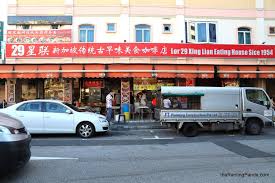
Located within the culturally layered district of Geylang in Singapore, Lorong 29 Geylang represents far more than a numbered lane on a city grid. It is a living corridor where heritage, commerce, food culture, residential evolution, and urban transformation intersect. While many visitors initially associate the street with its culinary landmark, the identity of Lorong 29 extends deeper into Singapore’s historical development, socio-economic shifts, architectural typologies, and street-level microeconomics. This article explores the full spectrum of Lorong 29 Geylang, offering a comprehensive, structured, and advanced examination designed for readers seeking depth, clarity, and strategic insight.
Historical Foundations and Urban Evolution
Early Settlement Patterns
Geylang’s origins date back to the early colonial period when plantations, coconut groves, and rural settlements defined the landscape. The lorong system—Malay for “lane”—emerged as a structured method to organize expanding plots of land. Lorong 29 developed as part of this grid-based expansion, reflecting a practical numbering system rather than ornamental naming traditions.
Agricultural to Urban Transition
During the late 19th and early 20th centuries, agricultural land gradually transitioned into residential clusters. Lorong 29 followed this trajectory, shifting from plantation-adjacent land into mixed-use development. As Singapore industrialized, small workshops, provision shops, and family-run businesses began occupying ground floors, while upper floors housed multi-generational families.
Post-Independence Modernization
After independence, urban planning intensified. Infrastructure improvements such as paved roads, drainage systems, and electricity access modernized Lorong 29. Yet unlike central districts that underwent aggressive redevelopment, this lane preserved much of its street-level character. This balance between modernization and preservation contributes to its unique identity today.
Spatial Layout and Urban Design Characteristics
Grid Structure and Accessibility
Lorong 29 sits within a linear grid that connects directly to major arterial roads in Geylang. The numbered lorong system simplifies navigation while reinforcing spatial uniformity. Its connectivity supports pedestrian traffic, food-seeking visitors, and residents commuting to nearby MRT stations and bus routes.
Mixed-Use Zoning
The street demonstrates classic mixed-use zoning where residential apartments coexist with eateries, small businesses, and service providers. This creates a dynamic environment throughout the day. Morning hours cater to residents and breakfast crowds, afternoons see logistics and small business activity, while evenings shift toward culinary exploration.
Architectural Typologies
Architecturally, Lorong 29 displays a mix of pre-war shophouses, post-war walk-ups, and later mid-rise developments. Shophouses feature narrow facades, elongated interiors, five-foot walkways, and ornamental details. Later structures reflect pragmatic concrete construction prioritizing density and utility over ornamentation.
Cultural Identity and Street-Level Dynamics
Hawker Culture Influence
One of the defining features of Lorong 29 is its association with hawker culture. The globally recognized stall Geylang Lorong 29 Charcoal Fried Hokkien Mee helped place the street on Singapore’s culinary map. However, the hawker identity extends beyond a single brand. It symbolizes generational skill transfer, wok mastery, charcoal technique preservation, and late-night dining rituals.
Multicultural Interactions
Geylang historically welcomed Malay, Chinese, Indian, and later migrant communities. Lorong 29 reflects this diversity through signage languages, food offerings, and religious institutions nearby. Cultural coexistence is visible not only in cuisine but also in festivals, street decor, and business ownership patterns.
Informal Economies
Small-scale entrepreneurship thrives here. Repair shops, mini-marts, remittance outlets, and specialty stores operate alongside eateries. These micro-economies sustain livelihoods and contribute to the district’s economic resilience.
Food Landscape Beyond the Famous Stall
Culinary Diversity
Although Hokkien mee remains a headline attraction, Lorong 29 and its immediate surroundings offer a broader culinary spectrum including zi char stalls, seafood vendors, dessert kiosks, traditional kopi stalls, and regional Southeast Asian cuisines.
Late-Night Dining Culture
Unlike many residential zones that quiet down after sunset, Lorong 29 maintains late-night vibrancy. The culture of supper—informal dining after 10 PM—draws locals and tourists alike. This nocturnal rhythm shapes business hours, lighting ambiance, and pedestrian flow.
Sensory Environment
The scent of charcoal smoke, sizzling garlic, seafood broth, and kopi creates a multi-sensory experience. Auditory elements include metal ladles against woks, conversations in multiple dialects, and delivery vehicles navigating narrow lanes.
Socioeconomic Dimensions
Property Values and Rental Patterns
Compared to prime districts, Lorong 29 offers relatively accessible commercial rental rates. This affordability supports family-run operations and entrepreneurial experimentation. However, gradual appreciation in property values indicates long-term investment interest.
Demographic Profile
Residents include long-term elderly inhabitants, working professionals, migrant workers, and small business owners. This demographic mix influences consumption patterns, service demand, and community interactions.
Economic Sustainability
The street’s economic model thrives on consistent foot traffic rather than luxury positioning. High turnover food businesses, repeat customers, and modest margins define its commercial sustainability framework.
Transportation and Accessibility Insights
Public Transport Connectivity
Lorong 29 benefits from proximity to bus routes and MRT stations serving eastern Singapore. Its accessibility supports cross-district visitation without reliance on private vehicles.
Pedestrian Infrastructure
Covered walkways and narrow pavements encourage foot traffic but also create peak-hour congestion. Urban planners balance pedestrian comfort with commercial frontage access.
Parking and Traffic Flow
Limited parking spaces maintain pedestrian orientation. Traffic tends to slow naturally due to street width constraints, indirectly enhancing safety and walkability.
Urban Reputation and Perception Management
Historical Stereotypes
Geylang has historically been associated with nightlife zones in specific lorongs. Lorong 29, however, is primarily recognized for food and residential character. Distinguishing between zones is essential for accurate representation.
Image Transformation
In recent years, public perception increasingly highlights heritage food and authentic street experiences rather than outdated stereotypes. This transformation strengthens tourism appeal.
Visitor Experience Framework
First-Time Visitor Guide
Visitors typically approach via Geylang Road, spotting signage and illuminated storefronts. The experience begins with sensory immersion rather than curated tourism infrastructure.
Suggested Walking Route
An optimal exploration strategy includes starting at a central junction, sampling signature dishes, observing architectural details, and exploring adjacent lorongs for contextual comparison.
Best Visiting Hours
Early evenings offer balanced crowds and active cooking stations. Late nights provide peak atmosphere but require patience for queues.
Architectural Conservation Opportunities
Preservation Potential
Selective restoration of shophouse facades could enhance heritage visibility while retaining functionality.
Adaptive Reuse Concepts
Upper floors may accommodate boutique accommodations, creative studios, or co-working spaces while preserving ground-floor commercial vitality.
Digital Presence and Branding Gaps
Limited Holistic Narratives
Online content often isolates one food stall rather than presenting Lorong 29 as a comprehensive micro-destination.
Visual Storytelling Deficiency
Street-level photography, architectural documentation, and timeline graphics remain underutilized opportunities in digital storytelling.
Data-Driven Content Absence
Few articles provide demographic statistics, property insights, or urban planning perspectives, leaving a gap for analytical depth.
Comparative Positioning Within Geylang
Contrast with Adjacent Lorongs
Some lorongs emphasize nightlife; others highlight wholesale trade. Lorong 29 differentiates through food-centric identity combined with residential continuity.
Integration with Wider District
Its narrative gains strength when contextualized within the broader evolution of Geylang’s eastward development.
Advanced Cultural Observations
Generational Continuity
Family-operated businesses demonstrate knowledge transfer across decades. Recipes, cooking rhythms, and supplier relationships reflect embedded trust networks.
Linguistic Diversity
Conversations may shift between English, Mandarin, Hokkien, Malay, and Tamil within minutes, symbolizing Singapore’s multilingual fabric.
Ritual and Routine
Regular patrons follow habitual ordering patterns, reinforcing micro-community bonds between vendors and customers.
Economic Microanalysis
Revenue Model of Hawker Operations
High volume, moderate pricing, limited seating, and quick turnover define profitability. Ingredient sourcing often relies on established wholesale networks in central markets.
Supply Chain Patterns
Seafood deliveries typically occur early morning, while dry goods replenish weekly. Efficient logistics sustain freshness standards.
Environmental and Sustainability Considerations
Waste Management
Food-centric streets generate packaging waste and organic by-products. Sustainable practices such as reusable dishware reduce environmental strain.
Energy Use
Charcoal cooking contributes distinct flavor but raises energy efficiency considerations. Transition to gas or electric alternatives remains a balancing debate between authenticity and sustainability.
Future Development Prospects
Urban Redevelopment Possibilities
While large-scale redevelopment appears unlikely in the immediate term, incremental property upgrades may gradually reshape facade aesthetics.
Tourism Integration
Curated food trails incorporating Lorong 29 could enhance visitor orientation while preserving organic charm.
Heritage Documentation
Archival photography projects and oral history recordings would safeguard intangible heritage before generational transitions occur.
Strategic Recommendations for a Standout Article
Comprehensive Street Narrative
A new article should integrate history, architecture, economy, and culture rather than focusing solely on cuisine.
Structured Depth with Clear Sections
Organize content into thematic segments covering urban planning, food anthropology, demographic data, and experiential guidance.
Incorporation of Visual Mapping
Include annotated maps demonstrating Lorong positioning within Geylang’s grid.
Expert Commentary
Urban planners, sociologists, and culinary historians can provide authoritative insight.
Balanced Tone
Blend storytelling warmth with analytical credibility to appeal to both tourists and academic readers.
Data Integration
Add statistics on population density, property ranges, and business categories to differentiate from generic blog posts.
Myth Clarification
Address misconceptions about Geylang while emphasizing Lorong 29’s unique environment.
Conclusion
Lorong 29 Geylang stands as a concentrated embodiment of Singapore’s layered urban narrative. From plantation-era origins to modern hawker fame, from mixed-use zoning to multicultural vibrancy, the lane encapsulates transformation without erasure. Its strength lies not merely in a celebrated plate of noodles but in its resilience as a living street ecosystem. By approaching the subject with structured depth, analytical clarity, and immersive storytelling, any new comprehensive article can transcend repetitive food coverage and position Lorong 29 as a microcosm of urban Singapore itself.
 Global Arena
  Khubaib Jamil