

 By Singapore Local News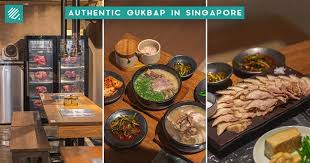
Um Yong Baek is a Korean restaurant that has gained significant attention for its distinct separation of lunch and dinner offerings and for bringing authentic Korean comfort food traditions to diners outside Korea. The restaurant appeals to people who seek meals that showcase depth of flavour and cultural roots, especially lovers of pork dishes and rich broths. Um Yong Baek’s menu is carefully crafted to offer heart‑warming bowls during lunch and sizzling interactive meals during dinner, making it versatile for different occasions and preferences.
The lunch menu revolves around hearty soup‑based meals featuring pork, rice, and a rich broth. The dinner menu transforms into a lively Korean barbecue experience, featuring aged meats and several accompaniments designed to elevate the social and flavourful nature of Korean cuisine. In outlining this menu in detail, this article breaks down each category of food, explains authentic preparation methods where relevant, highlights differentiators, and offers context that helps readers understand what makes these dishes distinct.
Dining Formats at Um Yong Baek: Lunch and Dinner Experiences
The structure of the Um Yong Baek menu is determined by the time of day, which directly influences the types of meals offered.
Distinction Between Lunch and Dinner
At Um Yong Baek, the lunch menu is focused on soup dishes — particularly those rooted in traditional regional recipes from Korea’s southern regions, such as the Busan and Milyang styles. The dinner menu is almost entirely Korean barbecue and shared plates, where diners gather around grill stations at the table, preparing meats in front of their eyes.
This distinction allows the restaurant to cater to two very different dining experiences under one roof: comforting solo meals for lunch and communal interactive dining for dinner. The lunch experience is slower and more introspective, with dishes designed for warmth and sustenance, whereas the dinner experience is dynamic and social, with grilling and tasting happening alongside conversation.
A Deep Dive Into the Lunch Menu
The lunch menu at Um Yong Baek is anchored by Korean pork and rice soup, known locally as dwaeji gukbap. These soup dishes are crafted to deliver layers of savory depth through carefully prepared broths and high‑quality meat selections.
Traditional Korean Soup Bowls
The main lunch offerings revolve around two classic Korean styles:
Busan‑style pork and rice soup is served in a clear, flavourful broth that has been simmered for long hours to draw out richness from pork bones and meat. The soup is paired with short‑grain rice that sits at the bottom and becomes infused with broth flavours. A generous selection of pork cuts — typically collar, cheek, and stomach — enhances texture and depth on every spoonful. This style is reminiscent of soups found in humble eateries across Busan, where focus lies on purity of broth and an unpretentious presentation.
Milyang‑style pork and rice soup features a richer and thicker broth, created by simmering pork bones for a longer period and extracting more collagen and marrow into the liquid. Compared to the Busan style, this broth carries a creamier mouthfeel and a more pronounced savoury body. The broth remains balanced with select seasoning so that the pork essence shines while not becoming overly heavy.
Both versions of the soup are priced similarly and are often complemented by traditional condiments such as salted shrimp or bean paste, allowing diners to personalize the flavour level according to their preferences.
Pork Cuts and Texture Profiles
The pork selections in the soups are not arbitrary. Um Yong Baek uses cuts that contribute uniquely to the overall experience:
Pork collar offers a juicy profile with a blend of meat and fat that becomes tender when submerged in the broth, enriching the broth’s flavours over time.
Pork cheek is known for its unique texture — tender yet slightly richer than regular lean cuts — giving the broth both savoury depth and a satisfying bite.
Pork stomach brings a textural contrast with a slightly chewy, gelatinous quality that pairs surprisingly well with the softer rice and broth, offering dimensionality in every spoonful.
These different cuts harmonize within the bowl, creating an experience that is more layered than a soup that uses just one cut of meat.
Traditional Add‑ins and Pairings
The lunch service also includes small side dishes and condiments to enhance the meal. Common accompaniments include:
Kimchi — crunchy, slightly spicy fermented cabbage that complements rich broth by providing acidity and brightness.
Salted shrimp — a salty, umami‑rich seasoning that allows diners to dial in extra depth to the soup broth.
Bean paste or other savoury pastes — these add complexity and can transform the base broth into something richer or bolder depending on the amount added.
These additions reflect the Korean custom of tailoring soup to individual taste, rather than serving a one‑size‑fits‑all bowl.
Portion Sizes and Dining Considerations
Lunch portions at Um Yong Baek are designed to be satisfying without being overly large. This makes them excellent options for midday meals when people seek nourishment without feeling overly heavy afterward. Broth‑based lunches are often considered comfort food and can be particularly appealing in cooler weather or for anyone seeking a soothing, warm meal.
The Dinner Menu: Korean Barbecue and Shared Platters
Dinner at Um Yong Baek is a departure from the simplicity of lunch soups. The dinner menu is interactive and communal, centred around Korean barbecue experiences that invite groups to grill meats together at the table.
Aged Pork Barbecue
One of the highlights of dinner is the aged pork barbecue selection. The restaurant offers various cuts of pork that have gone through aging processes — wet‑aging, dry‑aging, and other techniques that enhance texture and flavour.
This aged pork is typically served with tabletop grills, allowing diners to cook the meat to their preferred level of doneness. The charcoal grilling method enhances flavours through subtle char and smokiness.
Signature cuts include:
Tongmoksal Jumeokgogi — a pork collar cut known for its juicy profile and rich flavour when grilled. Its marbling and texture make it a standout choice for those seeking robust pork flavours.
Ohgyeopsal — known as “five‑layered meat,” this is essentially pork belly that features alternating layers of fat and meat. When grilled, the fat renders beautifully, producing crisp edges and rich mouthfeel.
These cuts are often served with classic Korean barbecue accessories such as sesame leaf wraps, grilled garlic, and fermented sauces that elevate every bite.
Accompaniments and Side Dishes
Alongside the aged meats, the dinner menu includes a variety of side dishes that reflect traditional Korean barbecue culture. These are not merely afterthoughts but are integral parts of the meal:
Meljorim — a Jeju‑style anchovy sauce with soft, slow‑cooked onions, often used to add complexity to grilled meats.
Banchan — a series of small vegetable dishes such as pickled radishes, seasoned spinach, or seasoned bean sprouts that cleanse the palate and provide contrast to rich grilled pork.
Cold noodles — such as buckwheat noodles prepared in a chilled broth or served with perilla oil — can act as refreshing palate cleansers between rich bites of meat.
Other Dinner Entrées Beyond BBQ
While barbecue is the centrepiece, the dinner menu also includes other Korean staples:
Soondubu‑jjigae — a spicy soft‑tofu stew perfect for sharing, especially on cooler evenings or when diners want a warm, spicy accompaniment to grilled meats.
Mul‑makguksu and deolgireum‑makguksu — cold buckwheat noodle dishes served as refreshing counterparts to the heavier barbecue elements, ideal for cleansing the palate between grilled bites.
Dining Experience and Ambience
Dinner at Um Yong Baek is designed to be communal. The casual yet traditional atmosphere encourages diners to share plates and grill together, fostering conversation and connection through food. The interactive nature of tabletop grilling makes dinner longer and more sociable, suitable for groups, families, or celebrations.
Beverage Options and Pairings
The beverage list at Um Yong Baek includes both Korean alcoholic drinks and soft drinks, offering choices that pair well with the menu.
Korean Alcoholic Beverages
Traditional Korean spirits such as soju and makgeolli are available, offering authentic pairings to complement rich pork dishes. Soju, a clear distilled beverage, pairs well with barbecue due to its clean finish. Makgeolli, a milky rice wine, provides a slightly sweet and fizzy contrast to smoky meats.
Additional wine and spirits are available to suit different tastes, from premium wines to whisky for those who prefer non‑Korean alcoholic options.
Non‑Alcoholic Choices
Soft drinks such as cola and other popular beverages are offered for diners who prefer non‑alcoholic options, ensuring choices for all ages and preferences.
Understanding Korean Culinary Roots in Um Yong Baek’s Dishes
To appreciate the menu at Um Yong Baek, it helps to understand some culinary roots behind key elements.
Korean Soup Traditions
Dwaeji gukbap, or pork and rice soup, is a popular comfort food in Korea, especially in regions like Busan and Milyang. Its simplicity lies in slow‑cooked broths that extract flavours from bones and meat to create a rich, body‑filled liquid that warms both body and soul.
The choice of cuts — cheek, collar, stomach — reflects traditional Korean cooking’s emphasis on using a variety of parts to create layered textures and flavours. Each bite offers something slightly different, keeping the experience balanced between rich, savoury, and tender.
Korean Barbecue Culture
Korean barbecue is rooted in communal dining, where grilling becomes a shared ritual rather than just a cooking method. The use of aged pork takes this tradition further by enhancing natural flavours and creating meals that are both indulgent and satisfying.
The pairing of grilled meats with side dishes, fermented sauces, and refreshing noodles reflects a balance that Korean dining culture strives for — harmonious contrast rather than singular domination of flavour.
Choosing Your Meal: Dining Tips at Um Yong Baek
Here are some practical suggestions for making the most of a visit to Um Yong Baek:
Lunch Dining Tips
Order the Busan style if you prefer a lighter, clearer broth with delicate savoury notes. Order the Milyang style if you want a richer, creamier soup with body‑filled texture.
Ask for additional condiments like salted shrimp or bean paste if you want to personalize flavours.
Enjoy kimchi and side dishes with your soup to balance richness with acidity and crunch.
Dinner Dining Tips
Grill meats to your desired doneness but don’t overcook — lean cuts can dry out if left too long on the grill.
Use sesame leaf wraps with grilled pork, adding sauces and crisp vegetables inside for a balanced bite.
Try cold noodle dishes between grilled bites to refresh the palate.
Consider pairing soju with barbecue for an authentic Korean drinking experience, or choose refreshing Korean beer if preferred.
Comparisons and How Um Yong Baek Stands Out
Compared to typical barbecue or soup restaurants, Um Yong Baek distinguishes itself through:
Authenticity of lunch soups rooted in Korean regional styles rather than generic noodle soups.
The split menu concept, turning lunch and dinner into entirely different culinary experiences without overlap.
Aged pork offerings that use traditional methods meant to enhance tenderness and flavour.
A balance of dishes that caters to both solo diners at lunch and groups at dinner.
Many diners describe the lunch soups as comfort food, while the dinner barbecue is described as engaging and social, combining flavours with cultural rituals of shared meals.
Final Insights on the Um Yong Baek Menu
The Um Yong Baek menu is more than a list of dishes — it represents two complementary aspects of Korean culinary culture. The lunch offerings provide a deep connection to traditional, slow‑cooked soups that are both nutritious and comforting. The dinner experience is rooted in communal enjoyment, where grilling and shared plates foster social connection.
Whether you are new to Korean cuisine or experienced, Um Yong Baek’s approach allows you to experience both sides of Korean food culture: the quiet, nourishing side and the lively, interactive side. With carefully curated dishes, rich broths, quality meats, and Korean beverage options, the menu invites diners into a deeper appreciation of Korean flavours.
 Global Arena
  Khubaib Jamil