

 By Singapore Local News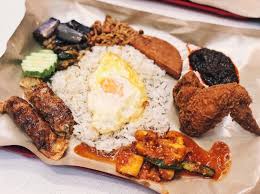
Katong is one of the most iconic food districts with deep cultural roots that blend Malay, Chinese, Peranakan, and modern Singaporean influences. A visit to Katong is incomplete without exploring authentic local flavors, hidden hawker gems, heritage dishes, and contemporary café creations. The streets of Katong tell a story of generations of cooks, chefs, and food innovators.
Katong’s food scene is known for its vibrant tastes, bold spices, and unique combinations that reflect migrant influences and local adaptations. Oyster omelettes sit beside coconut curry laksa, heritage bakeries offer flaky pastries, and contemporary cafes reinvent classics with signature twists.
This guide explores everything you need to know about food in Katong — from iconic dishes and best eateries to food trails, practical tips, and hidden local favorites.
What Makes Katong a Food Paradise
Cultural Fusion Through Cuisine
Katong’s culinary identity emerged through cross‑cultural exchange. Traders and settlers brought ingredients from China, Malaysia, Indonesia, India, and the Malay Archipelago resulting in hybrid cooking styles now celebrated as Peranakan cuisine.
The use of aromatic spices, coconut milk, tamarind, lemongrass, galangal, and shrimp paste are signature elements. These flavors appear in curries, noodles, snacks, and desserts that define local dishes.
Food in Katong reflects history and heritage while constantly evolving with new interpretations.
Geographic and Neighborhood Influence
Katong lies in the eastern part of Singapore, extending into Joo Chiat. Its streets are lined with heritage shophouses, traditional stalls, and family‑run cafés. The layout of the neighborhood encourages walking food trails, making it a perfect place for gastronomic exploration.
Compact streets full of hawker centers and restaurants mean you can sample multiple foods in a short walking distance.
Essential Eating Experiences
Katong Laksa Exploration
Laksa is the most famous and symbolic dish associated with this neighborhood. It is a rich coconut curry noodle soup served with thick rice vermicelli, cockles, prawns, bean sprouts, tofu puffs, and sometimes fish cake. The broth is creamy, spicy, and fragrantly balanced with lemongrass, turmeric, and coconut.
You should taste laksa from several stalls to experience subtle variations in broth texture, spice levels, and noodle cuts. Certain stalls specialize in laksa with a slightly tangy broth, while others emphasize rich creamy texture.
Laksa is traditionally eaten with a spoon and fork rather than chopsticks. The noodles are cut into manageable lengths so it’s easier to scoop with the broth.
Peranakan Specialty Dishes
Peranakan cuisine, also known as Nyonya cuisine, is a defining part of Katong. These dishes are a harmony of Malay spices and Chinese techniques.
Signature foods include:
- Curry Kapitan: A hearty chicken curry cooked with lemongrass, galangal, and tangy spices
- Ayam Buah Keluak: A rich chicken dish cooked with unique black nuts with earthy flavor
- Nonya Kueh: Bite‑sized sweets made from rice flour, coconut, and palm sugar, steamed or layered in vibrant colors
Heritage eateries in Katong continue to cook these traditional recipes with authentic methods that have been passed down through families.
Guide to the Best Dishes in Katong
Must‑Try Local Specialties
Katong’s food scene is diverse, and there are signature dishes you must try before leaving.
Laksa
Prepare for rich coconut aroma, vibrant red broth, and perfectly balanced spice. Toppings should be generous with fresh cockles, succulent prawns, and tofu puffs that soak up the broth.
Laksa texture and spice levels may vary by stall. Some are creamier, others have more spice or subtle tamarind tang.
Hokkien Mee
A stir‑fried noodle dish with yellow noodles and rice noodles cooked in seafood stock, served with prawns, squid, and sambal chili. A squeeze of lime adds brightness.
Otak‑Otak
Grilled fish paste wrapped in banana leaf with aromatic spices. The result is smoky, savory, and slightly spicy with a tender texture.
Nasi Lemak
Fragrant coconut rice served with crispy anchovies, peanuts, boiled egg, spicy chili sambal, and your choice of fried chicken or ikan bilis. The rice should be fluffy and not greasy.
Mee Goreng
Spicy stir‑fried noodles with potatoes, tofu, egg, and sambal paste. Sweet, spicy, and savory all in one plate.
Popiah
Thin crepe wrap filled with turnip, bean sprouts, tofu, and a sweet crunch from fried shallots.
Kaya Toast
Traditional breakfast of toasted bread slathered with kaya (coconut jam) and butter, often paired with soft‑boiled eggs and kopi.
Chendol
Icy dessert with pandan jelly, coconut milk, palm sugar syrup, and red beans. Refreshing after a spicy meal.
Navigating the Streets: Hawker Centers and Food Hubs
Katong V Hawker Centre
This popular food court houses a collection of stalls offering classic Singaporean hawker foods. Expect variety from laksa to satay and Indian Muslim cuisine. Quality varies but many stalls serve dishes with rich heritage.
Local Street Stalls
Side streets in Katong hide small family‑run stalls where locals go daily. These stalls often specialize in one item — such as curry puffs or handmade noodles — and use recipes unchanged for decades.
Café Culture
In recent years, boutique cafés have appeared blending modern brunch concepts with local flavors. Signature lattes infused with local spices, fusion desserts, and artisanal snacks bring contemporary diversity to the food scene.
Best Restaurants and Eateries
Below is a selection of top places to eat across different categories:
Traditional Laksa Refuges
- Stall A: Known for its rich, creamy broth and precise spice balance
- Stall B: Slightly tangier broth with generous seafood portions
- Stall C: Signature noodle cut style and long family history
Heritage Peranakan Spots
- Traditional Restaurant A: Classic curry kapitan and ayam buah keluak
- Nyonya Kitchen B: Wide array of nonya kueh and authentic sauces
Hawker Favorites
- Seafood Stall D: Hokkien mee with perfectly cooked noodles
- Mee Goreng Stall E: Balanced sweet and spicy notes with extra lime
- Popiah Stall F: Freshly wrapped rolls with crisp fillings
Modern Cafés
- Café G: Creative dishes blending local spices with Western brunch
- Dessert Bar H: Mango panna cotta with pandan foam
- Specialty Coffee Shop I: Handcrafted brews with local spice infusions
Exploring Food Pairings
Breakfast Pairings
Start with kaya toast and kopi, then move to nonya kueh for mid‑morning sweet snack. Ensure you pair kaya toast with soft‑boiled eggs seasoned with soy and white pepper for authentic experience.
Lunch Combos
Pair laksa with a side of otak‑otak or Hokkien mee with sambal for added heat. Citrus from lime enhances seafood noodles.
Dessert Combinations
After a spicy main dish, cool down with chendol or ice kachang. Fresh fruit juices like watermelon or sugarcane provide refreshing balance.
Complete Katong Food Trail Itineraries
Half‑Day Walking Trail
- Start at kukus kaya toast stall for breakfast
- Walk to heritage bakery for nonya kueh tasting
- Enjoy laksa for lunch
- Take a short break with kopi or local dessert
- Finish with grilled otak‑otak before heading out
Full Day Exploration
Morning
- Kaya toast with soft‑boiled eggs
- Local kopi with condensed milk
Late Morning
- Nonya sweets tasting
- Pastry sampling at heritage bakery
Lunch
- Seafood‑based noodle dish
- Fresh lime and sambal pairings
Afternoon
- Ice dessert stop
- Café fika break with specialty brew
Evening
- Hawker center exploration
- Mee goreng or nasi lemak as dinner
- End with sweet treat or traditional drink
Practical Tips for Visitors
Transportation and Access
Most food hubs in Katong are accessible via public transport. Plan to walk between nearby streets to maximize food discoveries.
Best Time to Visit
Breakfast starts early with local stalls opening before 8 am. Laksa and lunch spots peak around noon to 2 pm. Evening food centers take off after 6 pm.
Managing Queues
Popular stalls often have lines by peak hours. Arriving earlier or slightly later avoids long waits.
Budget Expectations
Hawker foods tend to be affordable, while heritage restaurants and cafés may be pricier. Set a budget per meal based on type of eatery.
Portion Tips
Many local dishes are designed for individual portions. If traveling in a group, order multiple dishes to share and sample a wider variety.
Hidden Local Favorites
Secret Stalls
Some of the best foods are tucked inside narrow alleyways with minimal signage. These places are known by regulars and serve signature dishes like homemade noodles and traditional kuih.
Daily Market Finds
Local wet markets offer ready‑to‑eat snacks and fresh goods prepared by vendors who have perfected their recipes over years. Try freshly fried snacks or steamed dumplings here.
Seasonal Foods and Festivals
During festive seasons like Chinese New Year or Hari Raya, special foods like pineapple tarts or ketupat appear in Katong. These seasonal treats reflect deeper cultural traditions and offer limited‑time tastes.
Health and Dietary Options
Vegetarian and Vegan Alternatives
Several cafés and hawker stalls now offer vegetarian renditions of classics. Coconut‑based dishes and vegetable laksa with tofu offer rich flavor without meat.
Gluten‑Free Selections
Rice noodle dishes like laksa, char kway teow made with gluten‑free sauces, and rice‑based desserts are available. Always confirm ingredients with the cook.
Conducting a Flavor Comparison
Laksa Broth Quality
Look for balance between:
- Coconut richness
- Spiciness
- Tamarind brightness
- Aromatic depth
Noodle Texture
Fresh rice vermicelli should be tender yet firm without sogginess.
Toppings Freshness
Seafood must be fresh, prawns firm, and bean sprouts crisp.
Food Etiquette Tips
Respect local customs when eating with shared plates or communal seating. Many hawker centers encourage ordering at the stall first, then finding seats nearby.
Conclusion
Katong’s food scene is a tapestry of bold flavors, cultural heritage, and evolving culinary creativity. Whether you are tasting laksa for the first time, discovering Peranakan gems, enjoying contemporary café delights, or exploring hidden street stalls, Katong offers endless adventures for food lovers.
From iconic dishes to local secrets, this guide equips you with detailed insights, practical planning, and comprehensive knowledge so you can eat like a local and experience Katong food in its truest form. Frequent these streets with curiosity and you will uncover unforgettable tastes and stories embedded in every dish.
 Global Arena