

 By Global Arena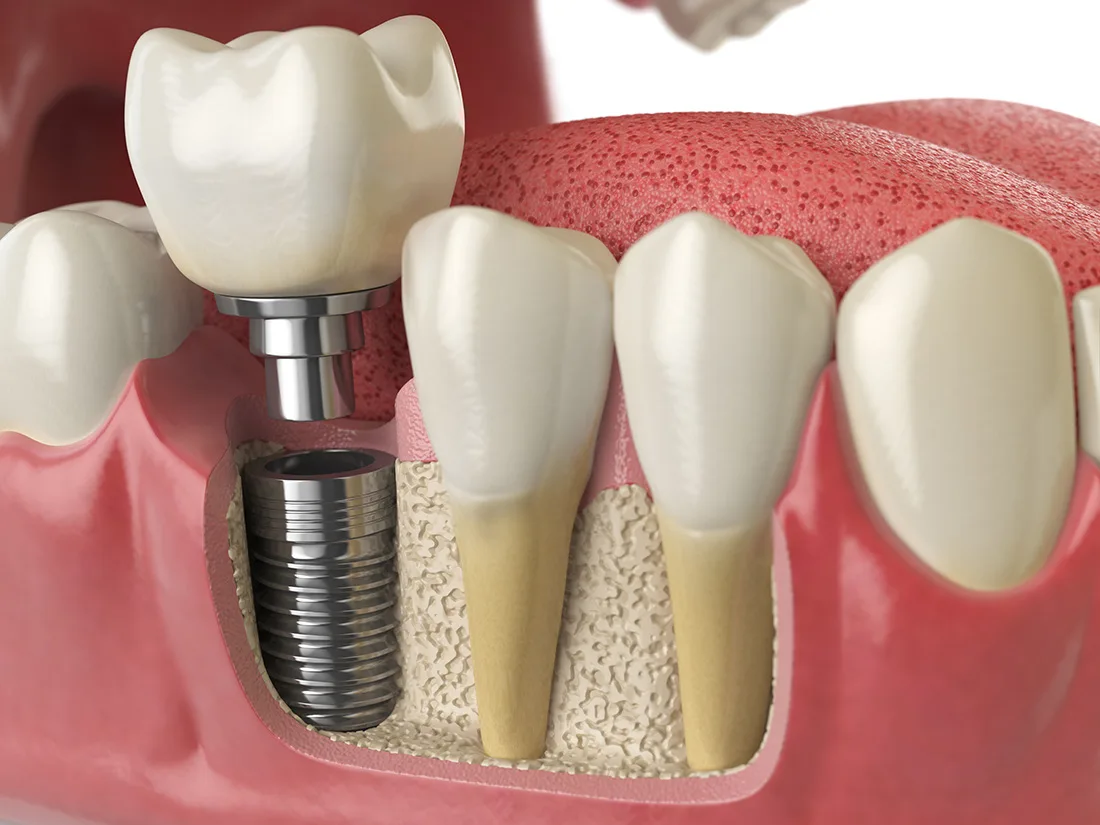
Losing your permanent teeth sets off a chain reaction of problems in your mouth. Back in the day, docs mostly fixed it with removable plastic dentures or those fixed porcelain bridges. They helped with chewing and looks a bit, sure, but they never really filled the gap left by the missing roots. Then came osseointegrated implants, and boom, restorative dentistry changed for good. Now, dental implants are the top choice for rebuilding a full mouth. They mimic real tooth roots perfectly and bond right into your living bone.
How Osseointegration Works
The magic behind these surgeries is osseointegration, this cool process where bone and metal team up. Researchers stumbled on it by chance back in the 1950s or so—they saw how bone cells stick to titanium without the body freaking out and rejecting it.
A good oral surgeon screws a threaded titanium post into your upper or lower jaw. Over 3 to 6 months, the bone around it remodels itself. Osteoblasts build fresh matrix that weaves into the implant’s rough titanium oxide surface. That locks it in tight, giving it strength that matches or even beats natural teeth.
Stopping Jawbone Shrinkage
One huge perk people often miss is how implants save your jawbone. Real tooth roots pass chewing pressure straight to the bone, telling your body to keep it thick and strong right there.
Pull a tooth, though, and without that pressure, the bone starts melting away. Your face can look sunken, and things get messy long-term. Implants fix that by sending bite forces deep into the jaw again. They stop the shrinkage and keep your face looking natural for life.
The Three-Part Implant Setup
These restorations use a smart three-piece system that works together seamlessly. First, the implant fixture goes fully under the gums, playing the role of an artificial root. After it fuses with the bone (docs check that), they add the abutment.
This connector sticks out just a tad above the gum, giving a sturdy base. Then comes the crown—the visible part, custom-made from ceramic or zirconia. It’s either glued on with special cement or screwed right into the abutment. The setup lets dentists swap out a worn crown later without touching the buried root.
High-Tech Planning for Spot-On Surgery
Modern implant work leans hard on digital tools to cut down pain and nail accuracy. Old-school 2D panoramas are out; now it’s all about Cone Beam CT scans for 3D views. They show exactly where nerves and sinuses sit, so surgeons steer clear.
Clinics like Dentprime use that data with CAD software to make custom surgical guides. These plastic templates lock the drill to the right spot and depth, slashing errors, speeding things up, and helping gums heal faster.
Who Makes a Good Candidate? Health Matters
Success hinges on picking the right patients and watching their overall health. Folks with out-of-control diabetes have tougher odds—the high sugar messes with blood flow and slows bone cell growth.
Smokers? Nicotine constricts vessels, starving the site of oxygen and raising chances of scar tissue instead of solid fusion. Surgeons always demand full health checks and often make you quit smoking first to set up the best shot at healing.
Infection Risks and Keeping Them Going Long-Term
Titanium itself doesn’t rot or get cavities, but the gums around it can invite trouble from bacteria. If plaque builds up where the abutment meets the gum, you get peri-implantitis—inflammation that eats away supporting bone and can doom the whole thing.
Daily care is key: special flossing, water picks to break up gunk. With regular pro cleanings, these titanium roots last forever, solving tooth loss for good.