
 By Global Arena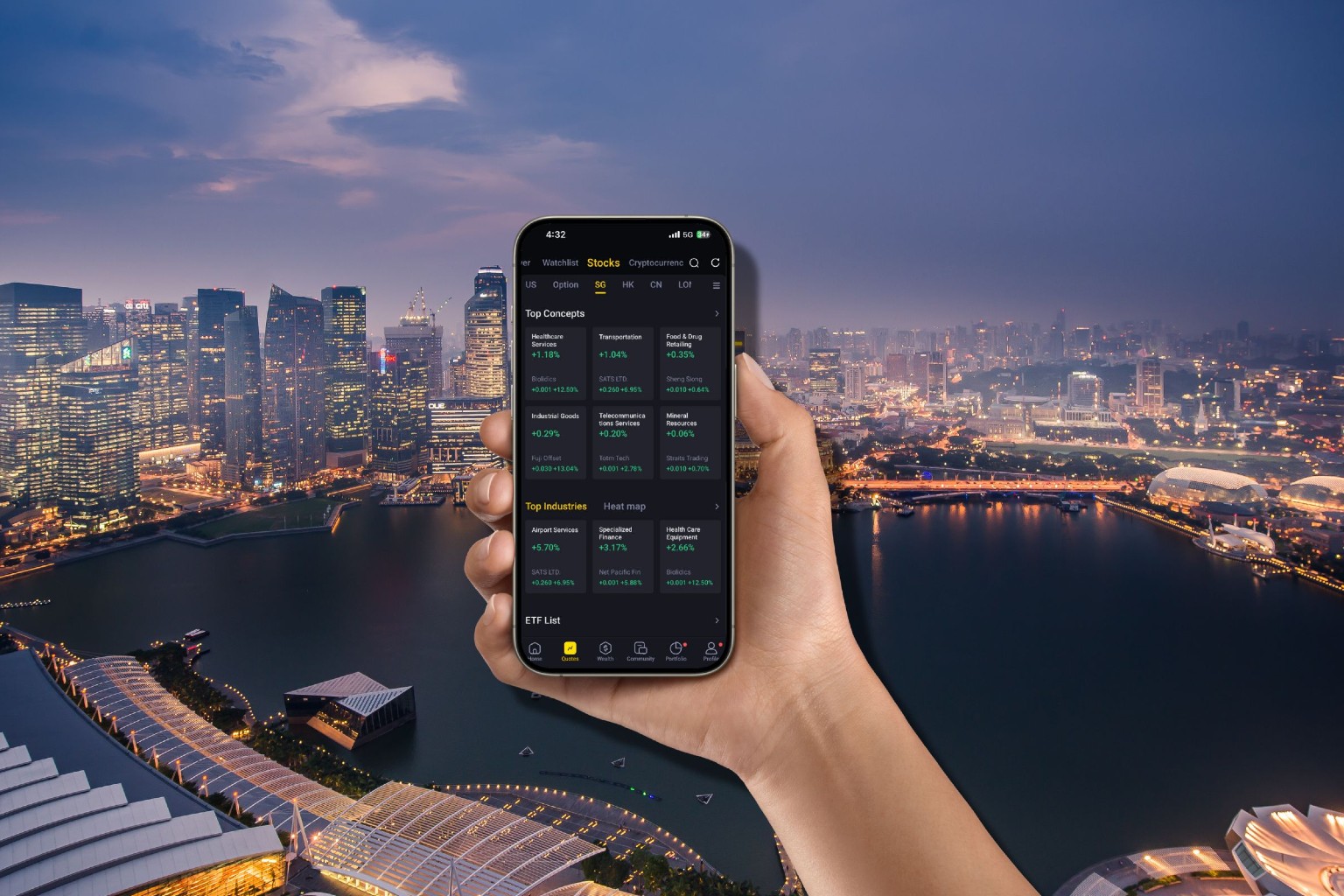
Singapore has quietly built itself into one of the most powerful financial centres in the world. It sits at the crossroads of East and West, welcomes global businesses, and keeps its financial rules clear and fair. For everyday traders, this means something important: the doors are opening wider than ever.
Whether you are new to trading or already have some experience, Singapore’s financial environment offers tools, platforms, and opportunities that were once only available to big institutional players. Today, retail traders can step in with confidence, backed by strong regulations and a growing fintech ecosystem.
Let’s break down what makes Singapore special and how it is changing the game for people who trade from home.
Why Singapore Stands Out as a Financial Hub
Not every country can claim to be a true financial hub. Singapore earned this title through decades of smart policy, political stability, and a strong commitment to rule of law. It is consistently ranked among the top three global financial centres, sitting alongside London and New York.
The Monetary Authority of Singapore (MAS) is the country’s central bank and financial regulator. It has built a reputation for being firm but fair. This makes foreign investors and businesses feel safe putting their money and operations here.
Singapore also has zero capital gains tax, low corporate tax rates, and a very open economy. These factors attract top financial institutions, hedge funds, and trading firms from around the globe. When the big players come in, they bring liquidity and activity. That benefits everyone, including retail traders.
The Rise of Retail Trading in Singapore
Just a few years ago, retail trading was seen as something only done by a small group of enthusiasts. That view has changed completely. Today, millions of people in Asia are actively trading stocks, forex, commodities, and digital assets.
Singapore has seen a sharp rise in the number of retail traders, especially after the COVID-19 pandemic pushed more people to explore online income options. Platforms became easier to use. Fees dropped. Information became more accessible. All of this lowered the barrier to entry.
Retail traders in Singapore now have access to some of the best trading platforms in the world. Many offer real-time data, advanced charting tools, and educational resources that help beginners learn fast. Tools like Tradingview Singapore are widely used by both beginners and experienced traders for their powerful charting features and easy-to-navigate interface.
How Singapore’s Regulation Protects and Empowers Traders
One of the biggest concerns for any trader is safety. Can you trust the platform? Is your money protected? In Singapore, the answer is generally yes, and that comes down to strong regulation.
MAS requires all financial service providers to be licensed. They must follow strict rules on client fund segregation, transparent pricing, and fair dealing. This means that if a broker is operating legally in Singapore, your money is held separately from the company’s own funds.
This level of protection is something retail traders in many other countries cannot take for granted. In Singapore, it is simply the standard.
What MAS Regulation Means for Your Trading
When a broker or platform is regulated by MAS, it has gone through a thorough vetting process. It must maintain enough capital, have proper risk management systems, and report regularly to the regulator. If something goes wrong, MAS can step in.
For traders, this means you can focus on your strategy rather than worrying about whether your broker is trustworthy. That peace of mind is genuinely valuable, especially for people who are just starting out.
Forex Trading in Singapore: A Growing Market
Forex, or foreign exchange trading, is one of the most popular forms of trading among retail participants in Singapore. The country’s status as a major financial centre means forex markets are highly liquid here. You get tight spreads and reliable execution.
Singapore is the third-largest forex trading centre in the world by volume. That kind of activity creates excellent conditions for retail forex traders. If you are interested in getting started, understanding forex trading in Singapore including the platforms available, the rules that apply, and how leverage works under MAS guidelines, is an important first step.
MAS has set specific rules around forex leverage to protect retail traders from taking on too much risk. While this limits some aggressive strategies, it also protects traders from wiping out their accounts on a single bad trade.
Contracts for Difference: Another Tool in Your Arsenal
Contracts for Difference, or CFDs, are popular among Singapore traders who want to speculate on price movements without owning the underlying asset. You can trade CFDs on stocks, indices, commodities, and forex through many local brokers.
CFD trading in Singapore is regulated under MAS, and platforms offering these products must be properly licensed. This keeps the market clean and trustworthy. Retail traders can use CFDs to go both long and short, meaning they can profit whether prices go up or down.
The key with CFDs is understanding leverage. It amplifies both gains and losses. Singapore’s regulations cap leverage for retail clients, which is a sensible safeguard. Make sure you understand the risks before using leveraged products.
Online Brokers and the Digital Trading Revolution
The growth of online brokers has been one of the biggest changes in retail trading over the past decade. Where traders once had to call their broker to place an order, they can now do it from a smartphone in seconds.
Singapore has several well-established online brokers catering to retail clients. These platforms offer access to local and international markets, low commission rates, and user-friendly interfaces. Some even offer fractional shares, which allow you to invest in high-priced stocks with smaller amounts of money.
Choosing the right online broker in Singapore comes down to a few things: the markets you want to access, the fees involved, the quality of the platform, and whether the broker is MAS-regulated. Take your time comparing options before committing.
Singapore’s Fintech Scene Is Helping Traders
Singapore is not just a traditional finance hub. It is also a thriving fintech ecosystem. The government actively encourages financial innovation through programmes and sandbox environments that allow companies to test new ideas safely.
This has led to a wave of new tools and services that benefit retail traders. Robo-advisors help automate investing. Social trading platforms let beginners copy strategies from experienced traders. Data analytics tools give everyday traders access to insights that were once reserved for professionals.
The combination of traditional financial strength and modern fintech innovation makes Singapore a uniquely powerful environment for anyone looking to grow as a trader.
What Retail Traders Need to Know Before Getting Started
Singapore makes it easier than most places to start trading, but that does not mean you should jump in without preparation. Here are a few things every beginner should keep in mind.
Understand the Products You Are Trading
Different products carry different risks. Stocks are generally less volatile than forex or CFDs. Derivatives like options and futures are complex and require more experience. Start with products you understand and build up from there.
Set a Budget You Can Afford to Lose
Trading always carries risk. Never trade with money you cannot afford to lose. Set aside a specific amount for trading and treat it as a learning investment, especially in the early stages.
Use the Educational Resources Available
Many platforms in Singapore offer free webinars, tutorials, and demo accounts. Take advantage of these. A demo account lets you practice with virtual money before risking your real funds. It is one of the best ways to build confidence.
Stay Updated on Market News
Singapore’s markets are connected to global events. A policy change in the US, a trade deal in Asia, or a shift in oil prices can all affect your positions. Stay informed and develop the habit of reading financial news regularly.
The Long-Term Outlook for Retail Traders in Singapore
The trend is clear: retail trading is becoming more mainstream and more accessible. Singapore’s position as Asia’s financial hub is only strengthening, with more global banks and investment firms choosing to base their regional operations here.
This ongoing growth will continue to bring more liquidity, more platforms, and more products to the retail market. It also means increased competition among brokers, which typically leads to lower fees and better services for traders.
Singapore is also positioning itself as a hub for digital asset trading, with MAS developing a clear framework for cryptocurrency and tokenised assets. This opens another door for retail traders who are interested in the crypto space but want the protection of a regulated environment.
Final Thoughts
Singapore’s rise as Asia’s premier financial hub is not just good news for banks and institutions. It is genuinely exciting for retail traders who want to participate in global markets from a stable, well-regulated, and tech-forward environment.
The combination of strong MAS oversight, a vibrant fintech scene, access to diverse markets, and a culture that welcomes innovation makes Singapore one of the best places in the world to be a retail trader right now.
If you have been thinking about getting started or are looking to level up your trading, there has never been a better time to explore what Singapore’s financial ecosystem has to offer. Do your research, choose regulated platforms, manage your risk wisely, and take advantage of the opportunities this remarkable city-state continues to create.
 Singapore Local News