

 By Global Arena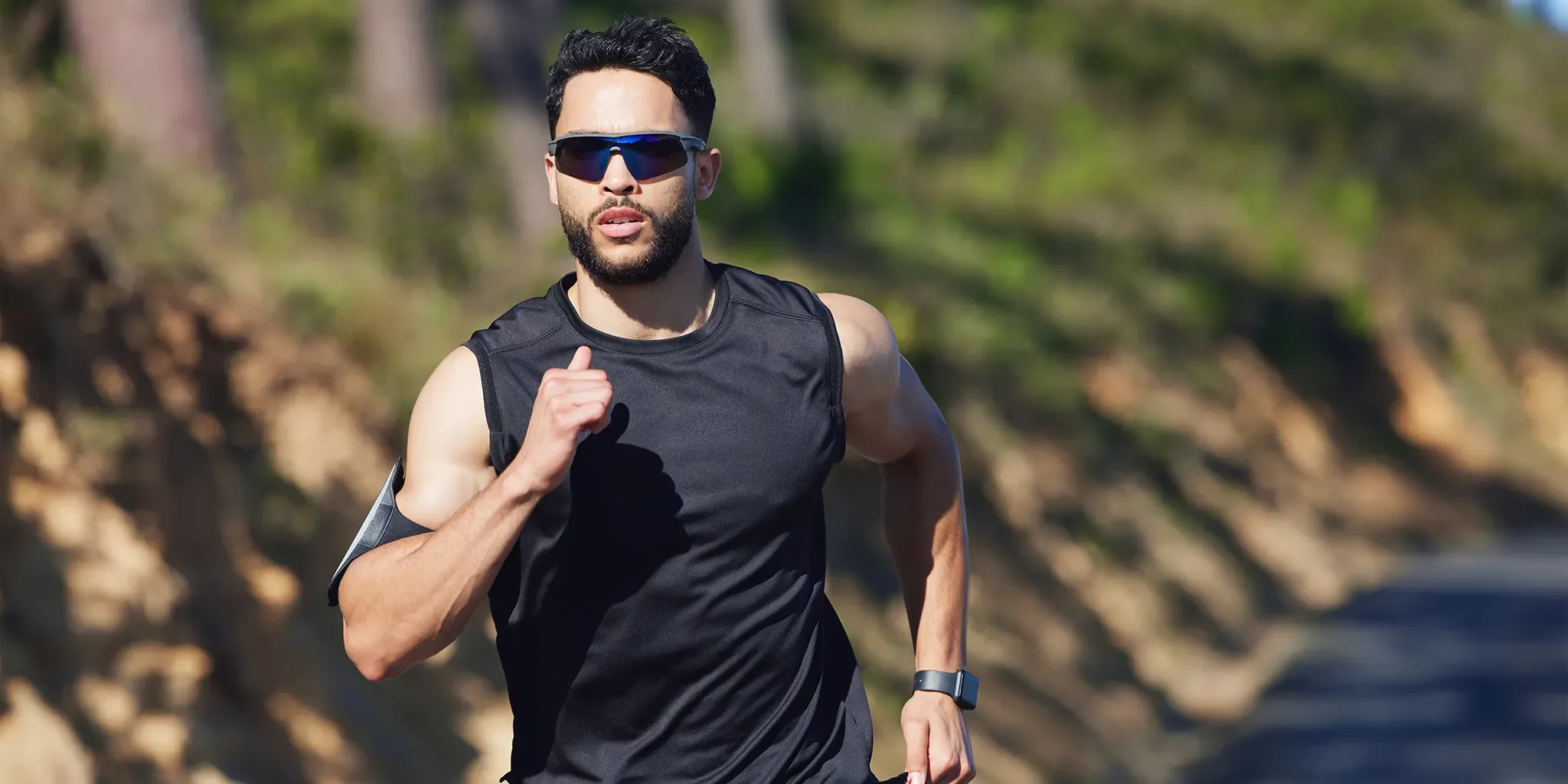
Running looks simple from the outside: lace up, step out, and move. But anyone who trains regularly knows small details can make or break a run. Shoes, socks, hydration, route planning, and weather all matter. One item runners sometimes overlook is eyewear, even though sunlight, glare, wind, dust, and changing terrain can directly affect comfort and focus.
The right sunglasses do more than complete a running outfit. They help runners see clearly, stay relaxed, and protect their eyes during miles on roads, trails, tracks, and sidewalks.
Why Runners Need More Than Ordinary Sunglasses
Everyday sunglasses may work for casual use, but running creates extra demands. Frames bounce. Sweat builds. Lenses fog. Sunlight shifts as routes pass under trees, beside water, or through open roads.
Running sunglasses should feel secure without squeezing the face. They should be light enough to disappear during longer efforts and stable enough to stay put during intervals, hills, and quick turns.
Good running eyewear helps manage:
- Bright sunlight during morning or afternoon runs
- Glare from pavement, vehicles, windows, and water
- Wind irritation on faster efforts
- Dust, pollen, and small debris
- Eye fatigue during long-distance training
- Distractions caused by squinting or poor visibility
When runners can see comfortably, they can focus more on pace, breathing, posture, and the route ahead.
The Role of Polarized Lenses in Running
Polarized lenses are especially useful for runners who train outdoors in bright conditions. Their main benefit is reducing harsh glare, particularly from reflective surfaces such as wet pavement, car windshields, sidewalks, sand, snow, and water.
This can make a noticeable difference during runs near lakes, beaches, city streets, or open roads. Instead of constantly squinting, runners can keep their eyes relaxed and maintain better awareness of their surroundings.
For those comparing eyewear options,polarized running sunglasses can be a practical choice because they combine glare reduction with sport-friendly wearability.
Fit Matters as Much as Lens Quality
Even the best lenses will not help much if the frames slide down every few minutes. Fit is one of the most important features for running sunglasses because movement is constant.
A good fit should feel secure but not tight. The sunglasses should rest comfortably on the nose, stay balanced around the ears, and avoid pressure points during longer sessions.
What to Look for in a Running Fit
Runners should consider:
- Lightweight frame materials
- Non-slip nose support
- Secure temple grip
- A shape that works with hats or visors
- Enough coverage to block side glare
- A frame size that matches the face comfortably
Trying to run with loose sunglasses can become frustrating fast. Constant adjustments interrupt rhythm, especially during workouts where concentration matters.
Different Running Conditions Require Different Features
Not every runner trains in the same environment. A city runner may need help with road glare and traffic awareness, while a trail runner may prioritize coverage from branches, dust, and shifting shade. Someone training before sunrise may want a different lens tint than someone running at noon.
Road Running
Road runners often deal with cars, reflective pavement, buildings, and long exposed stretches. Glare reduction and secure fit are especially helpful here.
Trail Running
Trail runners need clear visibility for uneven terrain, rocks, roots, and sudden changes in light. Wraparound-style coverage can help shield the eyes from dust and low branches.
Beach or Coastal Running
Sand, water, and open sunlight can create intense brightness. Polarized lenses are often valuable in these conditions because reflected glare can be especially strong.
Long-Distance Training
For longer runs, comfort becomes the priority. Lightweight frames and reduced eye strain can make sunglasses feel less noticeable over time.
Comfort Helps Build Consistency
Runners succeed through consistency, not just occasional big efforts. Gear that feels annoying is less likely to be used, and sunglasses are no exception.
Comfortable eyewear can help runners maintain better habits. Instead of skipping sunglasses because they pinch, bounce, or fog, runners are more likely to wear them regularly when they feel natural.
Small comfort details matter, including:
- Smooth frame edges
- Balanced weight distribution
- Lenses that provide clear vision
- Frames that do not trap too much heat
- Compatibility with earbuds, caps, or headbands
The goal is simple: sunglasses should support the run, not distract from it.
Style Still Counts
Performance matters, but runners are also more likely to wear sunglasses they actually like. Modern running eyewear has moved away from purely technical designs and now includes more casual, everyday-friendly styles.
This is useful for runners who want one pair that works for training, errands, travel, and outdoor weekends. A versatile pair of sunglasses can transition from a morning run to a coffee stop or post-run walk without looking out of place.
That blend of function and style makes eyewear easier to use consistently.
How to Choose a Pair That Works for You
Before buying running sunglasses, think about your normal routine. Do you run mostly in full sun or mixed shade? Do you train near water or on reflective streets? Do you prefer bold sport frames or a more casual look?
A simple checklist can help:
- Choose polarized lenses if glare is a frequent issue.
- Pick lightweight frames for longer runs.
- Look for secure fit if you run fast, downhill, or on trails.
- Consider larger coverage for windy or dusty routes.
- Select a style you would enjoy wearing beyond workouts.
The best option is not always the most complicated one. It is the pair you will actually wear mile after mile.
Conclusion
Running sunglasses are more than an accessory. They can improve comfort, reduce glare, protect the eyes, and help runners stay focused in changing outdoor conditions. Whether training for a race, jogging a few times a week, or building a daily fitness habit, the right eyewear can make each run feel smoother and more enjoyable.
By choosing sunglasses designed around fit, clarity, comfort, and real-world movement, runners can make eye protection a natural part of their routine.